Support

Mimuroto-ji Temple

About

Mimuroto-ji Temple (officially known as Mimuroto) is a significant Buddhist temple located in the north of the city of Uji, Japan. It is widely known as the "Flower Temple" due to its extensive and colorful garden, which attracts visitors year-round. This place harmoniously combines spiritual tranquility with the splendor of nature.
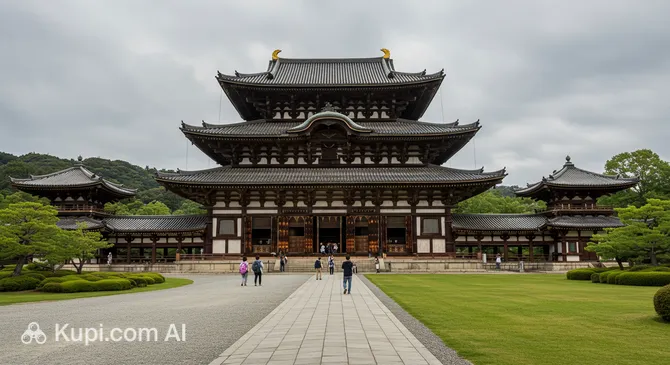
Mimuroto-ji Temple. Illustration.
Source: Kupi.com AI

Traveler photos:

The pride of Mimuroto-ji is its stunning garden, famous for its incredible variety of flowers and flowering trees. It is particularly renowned for its azaleas—thousands of bushes bloom here in spring, creating a breathtaking sight. Besides azaleas, the garden features hydrangeas, lotuses, and other plants that change their appearance with the seasons, making every visit unique.

The grounds of Mimuroto-ji Temple include several interesting structures, most notably the Main Hall and the Dharma Hall. One of the most impressive features of the Dharma Hall is its ceiling, decorated with a magnificent image of two coiling dragons. This unique painting was gifted to the temple in honor of its 800th anniversary and symbolizes power and protection. A visit to the temple leaves an unforgettable impression, immersing you in the atmosphere of Japanese culture and natural beauty.

Contacts

To find current information on opening hours, ticket prices, and available tours at Mimuroto-ji Temple, it is recommended to visit the attraction's official website or contact local tourist information centers in the city of Uji. These sources usually provide the latest data to help you plan your visit effectively.

How to contactContact
AddressShigatani-21 Todo, Uji, Kyoto 611-0013, Japan
Phone number+81 774-21-2067
Websitewww.mimurotoji.com

What to Do

Visiting Mimuroto-ji Temple in Uji is, above all, about immersing yourself in the peaceful atmosphere of its magnificent garden. The temple's greatest pride is its seasonal flowers, especially the lush azaleas that attract many visitors. While strolling along the well-kept paths, you can enjoy not only the beauty of the diverse plants but also the harmony of traditional Japanese garden architecture. A visit during the blooming period is particularly spectacular, as the garden reveals itself in all its glory, creating truly unforgettable landscapes.

Beyond contemplating nature, it is worth paying attention to the architectural treasures of Mimuroto-ji Temple. Be sure to visit the Main Hall (Hondo) and the Dharma Hall (Amida-do). In the latter, a unique sight awaits: a ceiling painting of two dragons, symbolizing power and protection. The entire complex is a fine example of Buddhist temple architecture in Japan, with its characteristic curved roofs, majestic gates, and elegant columns, allowing for a deeper appreciation of the country's culture and traditions.

Getting There

To visit Mimuroto-ji Temple, you first need to reach the city of Uji, located in Kyoto Prefecture, Japan. Uji has excellent transport links with major cities in the Kansai region, such as Kyoto and Osaka. You can easily reach Uji from these cities by train, which is one of the most convenient ways to travel around Japan.

Mimuroto-ji Temple itself is located in the northern part of Uji. After arriving at Uji railway station (such as JR Uji Station or Keihan Uji Station), you can use local public transport, such as buses heading towards the city's northern districts. You might also consider taking a taxi, which is faster but more expensive.

If you prefer walking and want to get to know the city better, you can reach the temple on foot from one of the central stations. However, keep in mind that this may take some time, as the temple is not in the very center. It is recommended to check bus routes in advance or use a navigation app to find the best path from your location in Uji to Mimuroto-ji Temple.

Nearest city: Uji

History & Facts

The history of Mimuroto-ji Temple spans about 1,200 years, with its foundation dating back to the height of the Heian period (794–1192) in the city of Uji. In those days, Uji was a favorite location for the country villas of the Japanese aristocracy, which helped shape the region's rich cultural and spiritual heritage. The temple's emergence during this iconic period of Japan's history highlights its deep roots and connection to ancient traditions.

Mimuroto-ji earned its poetic nickname, the "Flower Temple", thanks to a centuries-old tradition of cultivating and carefully tending to a variety of plants on its grounds. This tireless attention to natural beauty, passed down through generations, led the temple to become widely known for its floral splendor. This fame, which spread long before the present day, attracted pilgrims and beauty lovers alike, cementing the temple's famous name.

A significant event in the temple's history was the receipt of a unique gift for its 800th anniversary—an impressive painting of two dragons that adorns the ceiling of the Dharma Hall. This gift is not only an outstanding work of art but also symbolizes deep respect for the spiritual significance of Mimuroto-ji. In Japanese culture, dragons embody strength, wisdom, and protection, and the appearance of this painting was an important milestone highlighting the temple's centuries-long role and veneration.

Time Needed

To explore Mimuroto-ji Temple in Uji, a typical visitor will need about 1-2 hours. This is generally enough time to walk through the main grounds, see the principal halls, and enjoy the peaceful atmosphere.

However, it is worth noting that Mimuroto-ji is especially famous for its magnificent gardens, which change appearance depending on the season. If your visit coincides with the blooming of azaleas (in May), hydrangeas (in June–July), or lotuses (in July–August), you will likely want to spend more time contemplating this beauty. During these periods, a visit can take up to 3 hours or even longer if you decide to explore every corner of the garden in detail and take plenty of photos.

Therefore, when planning a visit to Mimuroto-ji Temple, aim for 1-2 hours for a general tour, but be prepared to spend more time there, especially if you are drawn to Japanese gardens and seasonal blooms. A leisurely walk will allow you to fully experience the serenity and beauty of this wonderful place in Japan.

Working Hours

Exact information regarding the opening hours of Mimuroto-ji Temple in Uji may vary depending on the season and scheduled events. Generally, many Japanese temples are open to visitors during the daytime, for example, from 8:00 or 9:00 AM until 4:00 or 5:00 PM. However, to obtain the most up-to-date information on opening hours, as well as whether advance booking or registration is required, it is highly recommended to check the temple's official website or inquire at local tourist information centers upon arrival in Uji.

Some temples may have special opening hours during the cherry blossom, azalea, or maple leaf seasons, when Mimuroto-ji Temple is particularly popular due to its gardens. It is also worth considering that access may be limited on certain days or during specific seasons due to religious ceremonies. Therefore, checking the information in advance will help you plan your visit as effectively as possible.

8:30 – 16:00

Nearby

Visiting a landmark as significant as Mimuroto-ji Temple undoubtedly leaves a deep impression. However, to truly immerse yourself in the atmosphere of the city of Uji and Japan, it is worth spending time exploring its surroundings. Often, it is the smaller, lesser-known spots nearby that help complete the picture and offer unexpected discoveries.

A stroll around the area of Mimuroto-ji Temple will allow you to discover other interesting sites, each unique in its own way and reflecting the culture and history of the region. Below is a list of some nearby attractions, along with the distance to each.

NameDistance
Mimuroto-ji Temple Hydrangea Garden0.2 km
Daikichiyama Observation Deck1 km
Ujigami Shrine1.2 km
Chazuna Uji Tea Museum1.3 km
Kyoto Uji Byodo-in Omotesando Café1.5 km
Uji Park1.5 km
Torikiku1.6 km

Have you reached the end of the page?

So the route has been studied inside and out