Support

D.T. Suzuki Museum

About

The D.T. Suzuki Museum is a wonderful space for reflection and learning about Zen Buddhism, located in Kanazawa, Japan. The museum is dedicated to the life and work of Daisetz Teitaro Suzuki (1870-1966), a prominent Buddhist philosopher who greatly contributed to the spread and understanding of Zen in the West. Interestingly, the museum is located near the famous Kenrokuen Garden, in the very neighborhood where the thinker was born.
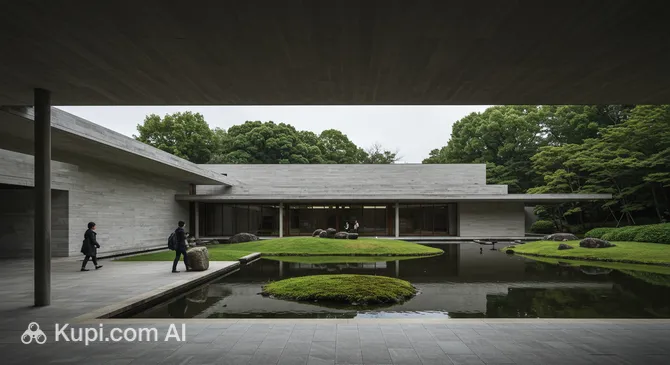
D.T. Suzuki Museum. Illustration.
Source: Kupi.com AI

Traveler photos:

The museum building, designed by the famous architect Yoshio Taniguchi, is itself an embodiment of Zen philosophy. It is a true example of minimalist art where every detail matters. The complex consists of three pavilions connected by corridors and surrounding a central element — the "Water Mirror Garden." This pond, reflecting the sky and surrounding greenery, creates an atmosphere of tranquility and invites contemplation.

Visiting the D.T. Suzuki Museum is an opportunity not only to learn about the philosopher's life but also to touch the essence of his teachings. The exhibits tell the story of his work and its influence on global thought. The modernist architecture, stripped of any excess, and the calm atmosphere facilitate a deep immersion into the world of Zen, offering visitors a rare chance for meditation and internal dialogue away from the city's hustle and bustle.

Contacts

To get the most up-to-date information on opening hours, ticket prices, and possible guided tours at the D.T. Suzuki Museum, it is recommended to visit the official museum website or contact the tourist information centers in Kanazawa. You can also find useful information on Japan's travel portals.

How to contactContact
Address3-chōme-4-20 Hondamachi, Kanazawa, Ishikawa 920-0964, Japan
Phone number+81 76-221-8011
Websitewww.kanazawa-museum.jp

What to Do

Visiting the D.T. Suzuki Museum in Kanazawa offers a unique opportunity to immerse yourself in the world of Zen Buddhism and learn about the life and legacy of the prominent Japanese philosopher Daisetz Teitaro Suzuki. The museum's main exhibition includes about 300 items, including Suzuki's own works, personal belongings, and other collection pieces. Here, you can learn about his biography, his life as a monk, and his enormous contribution to spreading Zen Buddhist ideas to Western countries. The exhibition also highlights his scholarly works, including translations of religious texts from Sanskrit and Chinese.

One of the main features of the museum is the so-called "Contemplation Space." This is a spacious room specifically designed for meditation and reflection. It projects out over a pond, and four large openings in the walls offer views of the perfectly still water surface. Here, visitors can sit in silence, get lost in their thoughts, and feel a sense of peace and serenity, experiencing an atmosphere conducive to deep self-reflection and understanding of Zen philosophy.

Beyond the exhibition halls and meditation space, the museum building itself and its surroundings are part of the overall experience. For example, the entrance wing is decorated with an elegant wooden lattice that harmoniously fits the general concept of peace and simplicity characteristic of Zen aesthetics. Walking through the museum grounds, contemplating the water spaces, and observing the architectural details complement the experience of discovering D.T. Suzuki's legacy.

Getting There

The D.T. Suzuki Museum is located in Kanazawa, and there are several ways to reach it. Generally, Japanese cities have well-developed public transport systems, so taking a city bus is one of the most convenient options. At Kanazawa Station or a tourist information center, check which bus routes stop near the museum. Stops are usually announced in English as well, making navigation easier for tourists.

Another popular way to get around is by taxi. A taxi ride from Kanazawa Central Station or the city center to the D.T. Suzuki Museum is comfortable and relatively quick, though more expensive than public transport. Japanese taxi drivers are known for their politeness, and many cars are equipped with GPS, so showing the driver the museum's name in Japanese (鈴木大拙館) or its address will be sufficient.

If you are staying in the central part of Kanazawa and enjoy walking, the museum may be reachable on foot, especially if it is located near other famous city landmarks like Kenroku-en Garden or Kanazawa Castle. Check a city map to estimate the distance and plan your route. It is also a great way to better experience the city's atmosphere.

Nearest city: Kanazawa

History & Facts

Opened in 2011 in Kanazawa, the D.T. Suzuki Museum is more than just a memorial; it is a place for deep immersion into the philosophy of Zen Buddhism. Kanazawa is the birthplace of the prominent thinker Daisetz Teitaro Suzuki (1870–1966), and the museum was created to honor his legacy and introduce visitors to his teachings, which had a profound impact on spreading Zen to the West.

Daisetz Suzuki spent a significant part of his life as a monk, delving into the study and practice of Zen Buddhism. A key period in his life was his time at Engaku-ji Temple in Kamakura, where he actively wrote about Zen and translated scholarly articles and religious texts. Thanks to his tireless work and deep knowledge, generations of people in America and Europe were able to discover Zen Buddhism and its significance in Japanese culture. His works became a bridge connecting Eastern wisdom and Western perception.

The museum’s architectural design was created by the renowned Japanese architect Yoshio Taniguchi, born in 1937. Taniguchi has long-standing ties to Kanazawa, making this project particularly meaningful for him. While his portfolio includes numerous museums and public buildings, his work on the D.T. Suzuki Museum was infused with a deep respect for the philosopher’s persona and heritage. The museum's concept reflects a pursuit of simplicity, contemplation, and harmony—the very essence of Suzuki’s teachings.

Time Needed

A visit to the D.T. Suzuki Museum in Kanazawa typically doesn't require a whole day but encourages a slow and thoughtful experience. For most visitors, it takes about 1-2 hours to view the exhibition dedicated to the life and teachings of the prominent Buddhist philosopher Daisetz Teitaro Suzuki and to soak in the museum's unique atmosphere. This time allows you to explore the main halls, study the materials on display, and enjoy the architectural designs that foster contemplation.

The length of your visit may vary depending on your interest in Zen Buddhism and your desire for reflection. The museum is deliberately designed to stimulate inner peace and self-reflection, particularly in areas like the contemplation space overlooking the Water Mirror Garden. If you wish to dive deeper into Suzuki’s philosophy or simply enjoy the tranquil setting, your stay may last a bit longer. Therefore, while 1-2 hours is a good guideline, be prepared to spend as much time here as your inner state suggests.

Working Hours

The D.T. Suzuki Museum in Kanazawa is open to visitors from 9:30 AM to 5:00 PM. It is closed on Mondays. We recommend checking this information on the official museum website before your visit, as opening hours may change depending on the season or for special events.

Although no information regarding the need for advance ticket booking is provided, it is always a good idea to check the D.T. Suzuki Museum's official website or contact them directly. This will help you learn about current visitation rules, possible restrictions, and whether tickets need to be purchased in advance, especially if you plan to visit during popular tourist times.

DayOpening hours
MondayClosed
Tuesday9:30 – 17:00
Wednesday9:30 – 17:00
Thursday9:30 – 17:00
Friday9:30 – 17:00
Saturday9:30 – 17:00
Sunday9:30 – 17:00

Nearby

Visiting the D.T. Suzuki Museum in Kanazawa is just the starting point for exploring the rich cultural heritage of this remarkable city. Exploring the museum’s surroundings will allow you to dive deeper into the atmosphere of Japan, discover new interesting places, and get a more complete picture of the region's life and history.

There are several notable landmarks near the D.T. Suzuki Museum that can complement your cultural itinerary. A walk to these places won’t take much time but will certainly enrich your travel experience.

NameDistance
Ishikawa Prefectural Museum of Art0.3 km
Seisonkaku0.4 km
Hondanomori Hall0.4 km
Ishiura Shrine0.4 km
Kanazawa Shrine0.4 km
Kenrokuen Garden0.5 km
Miyuki0.7 km

Have you reached the end of the page?

So the route has been studied inside and out