Support

Zao

About

Zao is a true oasis of nature and tranquility, nestled in the northeast of Honshu island in Japan, between Miyagi and Yamagata prefectures. The town is surrounded by majestic mountains that seem to shield it from the bustle of the big world, creating a special atmosphere of seclusion and harmony with nature. Crystal-clear air, dense coniferous forests, and picturesque valleys make Zao an ideal destination for those seeking inspiration and relaxation.

With a population of just over 11,000, Zao retains the cozy charm of a provincial Japanese town where every guest feels welcome. Part of the Tohoku region, this town is a recognized center of attraction for lovers of outdoor activities, untouched nature, and traditional Japanese culture. A special, relaxed atmosphere prevails here, allowing you to forget about time and enjoy every moment.
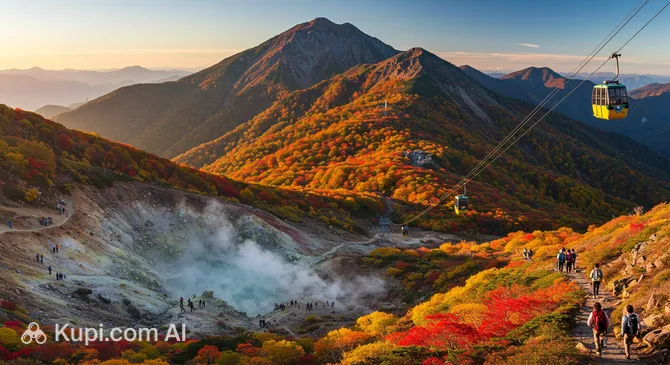
Zao. Illustration.
Source: Kupi.com AI

Zao is famous for its unique attractions and leisure opportunities. Tourists are drawn here by the famous hot springs (onsens), where they can relax and rejuvenate. In winter, the town transforms into a popular ski resort offering slopes for all skill levels, as well as a unique phenomenon — "snow monsters" (juhyo), whimsically frozen trees that create a fantastic landscape. Additionally, Zao offers an introduction to local cuisine and the authentic Japanese countryside, which has preserved its traditions and heartfelt hospitality.

If you dream of seeing one of Japan's most unusual winter scenes, plunging into the healing waters of onsens, or simply enjoying the beauty of the mountains and fresh air, Zao will welcome you warmly. It is a place where everyone will find something to their liking and take home unforgettable impressions.

You can find more interesting facts on the history of the city of Zao page.

Weather Overview

The weather in Zao is characterized by distinct seasons. Summer, especially in July and August, is warm here, with average temperatures around 23-24°C and maximum values reaching 26-27°C. These months also see the highest amount of precipitation and rainy days. Winters, conversely, are cold: in January, the average temperature drops below zero (around -0.7°C), with nightly frosts down to -3.9°C. Precipitation in winter is also regular, though not heavy. Expect warm summers with frequent rain and cold, snowy winters. Spring and autumn represent transition periods with moderate temperatures and changeable weather.

To get a more detailed idea of weather conditions in different months, you can study the detailed information on the Zao Climate page.

Average monthly temperature

Average monthly precipitation

Interesting Facts

In addition to its picturesque ski slopes and hot springs, Zao holds many amazing secrets and unique phenomena that make it a truly special place. Here are just a few of them:

  • In winter, the slopes of the Zao mountains become home to real "snow monsters" — juhyo. This is a unique natural phenomenon where trees, under the influence of strong winds and heavy wet snow, turn into giant, whimsical ice sculptures, especially impressive in February when they are often illuminated at night.

  • Not far from the resort is the amazing Zao Fox Village, where over a hundred foxes of different breeds roam freely. Visitors can not only observe these charming animals in their natural habitat but also feed them, making it one of the few such places in the world.

  • Hidden in the crater of the Zao volcano is the mystical Lake Okama, known for its ability to change water color from emerald green to turquoise depending on the weather and lighting. Local legends say the lake possesses special power and brings good luck to those who catch it on a clear day.

  • Although Zao's hot springs (Zao Onsen) are well known, not everyone knows that they are considered some of the oldest and most healing hydrogen-sulfide springs in all of Japan. Their history spans many centuries, and the water is famous for its rejuvenating and therapeutic properties, attracting connoisseurs of traditional Japanese baths.

How to Get There

When planning a trip to picturesque Zao, located in Miyagi Prefecture, most travelers choose air travel as the most convenient way to reach the region. Several airports serve this part of Japan, from where you can continue your journey to Zao by car or public transport.

The closest and largest option is Sendai Airport (SDJ). It is located in the city of Sendai, approximately 23.1 km from the center of Zao. This major airport handles many flights, and a trip from here to Zao by taxi or rental car takes about 50-60 minutes. Given its significant passenger traffic, it is the main transport hub for those arriving in this region.

Another convenient option is Junmachi Airport (GAJ), also known as Yamagata Airport. It is located in the city of Yamagata, at a distance of about 43.1 km from Zao. This is a smaller airport serving primarily domestic destinations. The drive from Junmachi Airport to Zao takes approximately 1 hour 20 minutes – 1 hour 40 minutes.

For those considering more distant airports that potentially have a higher number of flights, Niigata Airport (KIJ) is an option. It is located in the city of Niigata, at a significant distance — about 136 km from Zao. Although it is also a large airport, the transfer to Zao will take at least 3.5 hours, which is important to consider when planning your route.

After arriving at any of these airports, Zao can be reached by taxi, pre-booked transfer, or rental car. It is also recommended to check for bus services between the airports and the nearest towns or tourist centers to Zao.

For clarity, here is a summary of the main airports through which you can reach Zao:

AirportPassenger trafficDistance
Sendai Airport3.5 mln23 km
Junmachi Airport223 11143 km
Fukushima Airport250 00099 km
Shonai Airport364 815110 km
Niigata Airport1.1 mln136 km

Main Attractions

The city of Zao and its picturesque surroundings attract tourists year-round thanks to unique natural beauty and opportunities for active recreation. Here, everyone will find something to their liking, from mystical volcanic lakes to fairytale winter landscapes and excellent ski slopes.

One of the main gems of the region is the Okama Crater Lake. This volcanic lake, located at the top of Mount Zao, is famous for its ability to change water color depending on the weather and lighting — from deep emerald to bright turquoise, which is why it is also nicknamed the "Five-Colored Pond" (Goshiki-numa). Surrounded by rugged volcanic rocks, the lake is a breath-taking sight, especially in clear weather. Access to the observation deck is usually open from late April to early November via the scenic Zao Eco-line road.

In winter, Zao transforms into a true winter fairytale thanks to the "snow monsters" (Juhyo). This unique natural phenomenon occurs when coniferous trees on the mountain slopes are completely covered in ice and snow due to strong winds and heavy precipitation, turning into giant, whimsical figures. They look particularly impressive in the upper part of the Zao mountain range, which can be reached, for example, from the Zao Onsen resort (located on the Yamagata Prefecture side). You can observe the "monsters" from a ropeway or by walking along specially prepared routes, and after dark, they are often illuminated, creating a mystical atmosphere.

For winter sports enthusiasts, the Zao region offers magnificent opportunities. One of the most famous resorts is the Zao Onsen Ski Resort (located in Yamagata Prefecture, but a key attraction for the entire Zao mountain region). This is one of the oldest and largest ski complexes in Japan, offering a huge variety of runs for skiers and snowboarders of all levels, as well as the chance to enjoy the famous hot springs (onsens) after an active day on the slopes. On the Miyagi Prefecture side, where the city of Zao is located, there are also excellent resorts, such as Miyagi Zao Eboshi, which is perfect for family vacations and offers scenic trails.

To fully appreciate the beauty of the Zao mountain range and reach its main wonders, it is worth using one of the ropeways. For example, the Zao Ropeway from the Yamagata side consists of several lines and lifts visitors to a significant height, offering breathtaking landscapes. The ropeway ride itself is an exciting adventure, allowing you to see Lake Okama in the summer (followed by a short walk) or the "snow monsters" in the winter right from the cabin.

Local Cuisine

The gastronomy of Zao is a true immersion into the world of the freshest local products, in which this mountainous area in Miyagi Prefecture is so rich. The foundation of many dishes consists of seasonal mountain vegetables, aromatic mushrooms, and fish caught in the region's crystal-clear rivers. Zao's cuisine will delight connoisseurs of natural flavors and traditional Japanese recipes adapted to the local gifts of nature.

Be sure to try yubatan — a hearty and warming soup based on vegetables, wild greens, and mushrooms. It is especially pleasant to enjoy in the cold season, for example, after an active day on the ski slopes or hiking in the mountains. Another gastronomic pride of Zao is Wagyu beef raised on local farms. This meat is famous for its incredible tenderness and rich flavor. It is often grilled yakiniku-style or served as exquisite sashimi.

Don't miss the chance to enjoy the freshest dairy products: local yogurts and ice cream made from natural milk are known far beyond Zao and are famous throughout Miyagi Prefecture. Those with a sweet tooth will enjoy seasonal Japanese wagashi sweets, often prepared with the addition of local berries and fruits. At street markets and during festivals, you can find aromatic yakitori chicken skewers cooked over charcoal and the famous mochi rice cakes filled with sweet red beans.

As for drinks, a meal in Zao is perfectly complemented by traditional Japanese sake, the variety of which allows you to find the perfect accompaniment for any dish. Among non-alcoholic drinks, various types of green tea are popular, as well as fresh juices or drinks based on local berries and fruits, especially during the summer season.

Food culture in Zao is closely linked to seasonality and local traditions. You can try authentic dishes in cozy restaurants as well as at lively street markets. Festivals, which take place here year-round, hold a special place in the city's gastronomic life. In winter, these might be celebrations of hot soups and fresh fish, and in summer — fairs dedicated to the harvest of vegetables and fruits. Such events are often accompanied by tastings, culinary workshops, and traditional performances, turning a meal into an unforgettable cultural experience.

Travel Tips

Welcome to Zao! To ensure your trip to this amazing corner of Japan, known for its hot springs and ski resorts, is as comfortable as possible and leaves only pleasant impressions, we have prepared some practical tips for you.

  1. Clothing and Essentials:

    The climate in Zao depends on the season. In winter (December-March), it is cold and snowy, so be sure to bring warm layered clothing: thermal underwear, fleece sweaters, a waterproof and windproof jacket and pants, a hat, gloves, and a scarf. For walking and skiing, you will need comfortable, waterproof shoes with good tread. In summer (June-August), the weather is warmer, but it can be cool in the mountains in the evenings, so a light jacket or sweater will come in handy. Don't forget sunscreen and a hat. Always bring comfortable shoes for walking on uneven terrain. For electronics, you will need an adapter (Japan uses type A and B sockets, 100V voltage). If you plan to visit onsens, bring your own small towel, although they can often be rented on site.

  2. Transport in Zao:

    The main way to get around the Zao resort area and between its various parts is by local buses. During the ski season, special shuttles often run between hotels and lifts. Taxis are available but can be quite expensive, especially for long distances. Common international taxi apps may not work here or may have limited coverage. Renting a car is a good option if you plan to explore the surroundings of Miyagi Prefecture, but keep in mind left-hand traffic and the need to have an International Driving Permit. In winter, the car must be equipped with winter tires or snow chains.

  3. Finances: Currency, Cards, Tipping:

    The official currency of Japan is the Japanese Yen (JPY). It is recommended to exchange currency in advance at the airport or in major cities, as the number of exchange points in Zao itself may be limited and the rate less favorable. Credit cards (Visa, Mastercard) are accepted in most hotels, large restaurants, and shops. However, in small establishments, for paying for ski passes or souvenirs, cash is often preferred. ATMs that accept international cards can usually be found at post offices (Japan Post Bank) or at 7-Eleven stores (if available in Zao). An approximate daily budget per person (excluding accommodation and expensive activities) can range from 7,000 to 15,000 JPY. Tipping in Japan is not practiced and may be perceived as a misunderstanding or even impolite.

  4. Health and Safety:

    Zao, like Japan in general, is a very safe place for tourists. The crime rate is low. Basic precautions are standard: keep an eye on your belongings in crowded places. There are pharmacies (薬局 - kusuriya) in Zao, but the assortment may differ from what you're used to, and staff are unlikely to speak English. Bring a first-aid kit with necessary medications. There may be no 24-hour pharmacies in a small resort town. Before your trip, be sure to take out international medical insurance covering treatment costs and possible evacuation.

  5. Communication and Internet:

    The national language is Japanese. The level of English proficiency among the local population, especially outside tourist centers and major hotels, may not be high. Learn a few basic phrases in Japanese: "Konnichiwa" (Hello/Good day), "Arigato gozaimasu" (Thank you very much), "Sumimasen" (Excuse me/Sorry). For communication, it is recommended to purchase a tourist SIM card with internet access or rent a pocket Wi-Fi router. This can be done at the airport upon arrival or ordered in advance online. Free Wi-Fi is available in many hotels and some public places, but don't rely on it everywhere. Translator apps and maps (e.g., Google Maps) will be useful.

  6. Local Etiquette and Traditions:

    Japanese people are very polite and appreciate a respectful attitude towards their culture. A greeting is usually accompanied by a slight bow. In public places, especially in transport, try not to make noise or talk loudly on the phone. Pay special attention to the rules of conduct in onsens (hot springs): before plunging into the common bath, you must wash thoroughly in the designated area; in most traditional onsens, it is not customary to enter in swimsuits (you submerge naked, men and women separately).

  7. What to Avoid:

    To avoid offending locals and awkward situations, try not to stick your chopsticks vertically into a bowl of rice — this is associated with funeral rituals. Also, in Japan, it is not common to eat or drink while walking on the street (with the exception of ice cream or drinks near vending machines in designated areas). It is considered more polite to stop and have your snack.

  8. Specialty of Zao – "Snow Monsters" and Onsens:

    Zao is famous not only for its ski slopes but also for a unique natural phenomenon — "snow monsters" (juhyo). These are trees completely covered in snow and ice, creating whimsical figures. The best time to observe them is January and February, and they can be seen by taking the ropeway. And, of course, don't miss the chance to relax in one of Zao's numerous onsens — the sulfur springs here are considered some of the best in Japan for their healing properties.

We hope these tips help you better prepare for your trip and get the most enjoyment out of your stay in Zao. We wish you unforgettable impressions!

Entertainment & Nightlife

Zao is primarily a famous mountain resort and onsen village, so its nightlife has its own unique character. Instead of noisy clubs and vast entertainment complexes found in Japan's megacities, an atmosphere of peace and relaxation prevails here. Evening entertainment in Zao ideally complements active daytime recreation in nature, whether it's skiing in winter or hiking in the mountains in summer.

It is worth noting that Zao is a small resort village, so finding large, widely known nightclubs or specialized bars here can be quite difficult. Instead, evening leisure is centered around more intimate and authentic establishments. Here are a few types of places where you can spend a pleasant evening:

  • Traditional Japanese pubs (izakaya): This is perhaps the most common option. In an izakaya, you can immerse yourself in the local atmosphere, try a variety of Japanese dishes, fresh seasonal products, and, of course, sake or other drinks. The setting here is usually informal and welcoming.
  • Bars and lounge areas at ryokans and hotels: Many traditional inns (ryokans) and modern hotels offer their guests cozy bars or lounge areas. This is a great place for a quiet evening with a drink after a busy day. The atmosphere here is generally more subdued.
  • Small family restaurants: There are many small family-run restaurants in Zao serving local cuisine. This is a wonderful opportunity to enjoy home-cooked food and a quiet environment perfect for leisurely conversation.

As a rule, there are no "nightlife districts" with a high concentration of bars and clubs like in big cities in Zao. Most establishments are located near major hotel complexes, onsen areas, or at the base of ski slopes. To find the best places for evening relaxation, we recommend asking your hotel staff or local residents for advice — they can point out popular and authentic spots.

When planning your evening leisure, keep in mind that most establishments open in the evening and run until late, but not necessarily all night. There is usually no dress code; comfortable casual clothing is appreciated. The average check can vary but generally corresponds to the level of a popular resort. Regarding transport, public transportation movement may be limited at night. If your accommodation is far from your chosen venue, it's better to plan your route in advance or check the possibility of calling a taxi at your hotel reception. Zao is considered a very safe place, but standard precautions, especially when walking after dark, are never out of place.

During the day, Zao offers plenty of opportunities for active and cultural recreation. In winter, this is certainly skiing and snowboarding on the famous slopes. In the warmer months, it’s hiking along picturesque mountain trails, admiring nature, and, of course, visiting the numerous hot springs (onsens) for which this region is so famous. There are few classic museums, large theaters, or amusement parks in the usual sense; the main focus is on natural beauty, health, and outdoor activities.

Parks & Museums

The city of Zao and its surroundings offer travelers a unique combination of breathtaking natural landscapes and interesting cultural sites. Here, you can enjoy both active outdoor recreation and an introduction to local traditions and art.

The main natural gem of the region is certainly the Zao Quasi-National Park. This extensive park covers the volcanic Zao mountain range and is famous for its scenic hiking trails, which are especially beautiful in summer and autumn, and transform into a popular ski resort in winter. One of the most famous attractions here is Lake Okama — its emerald-green waters, which change color depending on the weather, leave a lasting impression. A walk around the lake allows you to fully feel the power of volcanic nature. It is also worth exploring the numerous trails around the Zao Onsen resort area, where you can not only relax in hot springs but also enjoy the beauty of forests and mountain streams.

While Zao is better known for its natural beauty, interesting cultural sites can also be found here. One such place is the Zao Kokeshi Museum. Kokeshi are traditional Japanese wooden dolls, and the Tohoku region, to which Zao belongs, is famous for making them. In the museum, you can see a rich collection of these charming items, learn about the history of their creation and various styles. Sometimes doll painting demonstrations are held here, allowing for a deeper dive into local craftsmanship. For those interested in the unique natural phenomenon of "snow monsters" (Juhyo), which form in winter on trees under the influence of strong wind and snow, the Zao Juhyo Museum, located at the upper station of the Zao Ropeway Sanrokusen, might be of interest. Here you can learn more about this phenomenon even during the warmer months.

In addition to museums, small but cozy temples and shrines that reflect the spiritual life of the region can be found in Zao and its surroundings. Often they are located in picturesque spots and offer a peaceful atmosphere for reflection. Such places are generally not major tourist centers, but it is in them that you can feel the authentic spirit of Japan.

Insider Tip: If you want to see something less known, try exploring one of the many small trails branching off from the main tourist routes in Zao Quasi-National Park — you can find secluded observation decks with stunning views there. Also, check out the local craft shops in Zao Onsen, where you can find unique handmade souvenirs in addition to traditional kokeshi.

Getting Around

Public transport in Zao is primarily represented by buses and ropeways, which is typical for ski and onsen resorts. The town is small, so there is no large-scale transport network like in megacities, but it is quite possible to reach key points.

The main form of public transport for moving around the resort town itself and its surroundings is buses. They connect various hotels, onsens, lower ropeway stations, and nearby small settlements. Bus schedules may change depending on the season (in winter, during the ski season, there are usually more routes and trips). Bus tickets are most often purchased directly from the driver upon boarding or exiting. In some Japanese buses, it is customary to take a ticket with a stop number when entering and pay the fare upon exiting according to the fare table shown above the driver. The fare depends on the distance.

Ropeways occupy a special place in Zao's transport system. They are not just transport, but an integral part of the tourist experience, taking visitors to mountain peaks, observation decks, ski slopes, and the famous "snow monsters" of Zao in winter. Tickets for the ropeways are purchased at the ticket offices at their lower stations. There are various types of tickets, including one-way, round-trip, and ski passes in the winter period that include lift access.

Regarding the payment system, cash is most often accepted on buses. It is recommended to have small change with you. The possibility of using universal transport IC cards (such as Suica or Pasmo) on local bus lines in small resort towns may be limited, so it is better to check this on the spot or be prepared to pay in cash. For ropeways, payment is made at the ticket offices, which usually accept both cash and bank cards.

Practical tips for tourists:

  • Always check the current bus schedule, especially if you plan trips early in the morning or late in the evening. It can be found at bus stops, in tourist information centers, or at your hotel.
  • Keep in mind that during peak season (especially in winter), there may be queues for popular ropeways.
  • For convenience of movement, especially if you plan to actively explore the surroundings or are traveling with luggage, you can consider renting a car. The roads in the region are scenic, but in winter they require caution and possibly winter tires or chains.

Among alternative ways of getting around in Zao, taxis are available. They can be found at ropeway stations, major hotels, or called by phone. Taxis in Japan are a comfortable but rather expensive mode of transport. Bicycle rental may be available in the warmer months for leisurely rides around the town itself, but it is not suitable for mountain routes.

Accommodation

In Zao, travelers will find a variety of accommodation options to suit different preferences and budgets. The primary choice includes traditional Japanese inns — ryokans, which offer a unique experience of immersion in local culture with hot springs (onsens) and Japanese cuisine. Western-style hotels, guesthouses, and possibly apartments for short-term rent are also available.

Most accommodation options are concentrated in the Zao Onsen area, famous for its thermal springs and ski resorts. Staying here is particularly convenient as it provides easy access to the main attractions, ski slopes in winter, and scenic hiking trails in the warmer months. By choosing accommodation in this part of Zao, you will be in close proximity to the lifts and onsens.

Zao offers a wide selection of hotels and ryokans, many of which are famous for their mountain views and private thermal baths. While specific names require an individual search depending on your dates and preferences, you will easily find options that meet your expectations.

It is highly recommended to book accommodation in advance, especially if your trip to Zao is planned for the peak season. These periods include the winter months (December–March) when ski vacations are popular, as well as the time for admiring autumn colors (usually October–November). During these times, the best options are booked very quickly.

The price range for accommodation in Zao varies from relatively budget guesthouses to more expensive and comfortable ryokans and hotels offering a full range of services, including fine dining. You can book accommodation through popular international online booking platforms, as well as directly on hotel or ryokan websites, which sometimes allows you to find better deals.

Nearby Cities

For those who want to explore the surrounding area, Zao serves as an excellent starting point for day trips to several interesting nearby locations.

For example, Sendai, the lively administrative center of Miyagi Prefecture, is only 26 km from Zao. This major city offers excellent shopping opportunities, a glimpse of modern urban life, and historical attractions such as the ruins of Aoba Castle and the Zuihoden Mausoleum, dedicated to the city's founder, Date Masamune. A trip to Sendai will allow you to immerse yourself in the atmosphere of a dynamic Japanese city.

Another attractive option for a day trip is Yamagata, located about 33 km away. The city is famous for its picturesque Yamadera temple complex, literally carved into the rocks and offering breathtaking views. Yamagata is also known as a center for traditional crafts, including the famous cast iron products (Yamagata Imono), and is surrounded by beautiful nature, making it a great place for lovers of culture and scenery.

For a more complete picture of day trip options, here is a list of some nearby cities with their population and distance from Zao:

CityPopulationDistance
Murata10 5066 km
Ogawara23 5868 km
Shiroishi32 57011 km
Kakuda27 84817 km
Watari32 84618 km

These nearby destinations provide a deeper insight into the diverse culture, history, and natural landscapes of Miyagi Prefecture and neighboring regions of Japan. Each trip will provide new impressions and complement your journey to Zao.

Shopping & Souvenirs

Shopping in Zao is more about finding authentic souvenirs and local delicacies than hunting for brands in large shopping centers. The town is famous for its traditional crafts and products related to the nature and onsens of the Tohoku region. Here you can find unique items that will remind you of your trip to Japan.

The main shopping opportunities in Zao are concentrated around the resort areas, especially near the onsens and ski slopes. These are usually small streets with souvenir stalls, shops selling local products, and handicrafts. Do not expect large shopping avenues here; the atmosphere is rather intimate and conducive to a leisurely choice.

Large modern shopping malls are not characteristic of Zao. Instead, you will find many small private shops and stalls selling locally made goods. It is in such places that you can experience the flavor of the region and find something truly special.

While there may not be large markets in Zao, you can sometimes stumble upon small fairs or stalls where local farmers sell fresh seasonal produce and artisans sell their wares. Pay attention to such places if you want to buy something fresh and made with soul.

Among the souvenirs worth bringing back from Zao, traditional Japanese kokeshi dolls, which are a symbol of the Tohoku region, particularly stand out. Woodwork, ceramics, and textiles with local patterns are also popular. Don't forget products related to the onsens: bath salts and cosmetics based on mineral water. Gastronomy lovers will appreciate local sweets, jams, sake, and other specialties of Miyagi Prefecture.

Most shops in Zao are typically open from 10:00 or 11:00 AM to 6:00 or 7:00 PM. Small family shops may have their own more flexible schedules. Regarding payment, while credit cards are accepted in many places, especially in hotels and larger shops, it is always useful to carry some cash, especially for purchases in small shops or at markets.

International tourists can take advantage of the Tax-Free shopping system in stores with the corresponding sign ("Tax-Free Shop"). This is usually possible when purchasing over a certain amount. Check the conditions directly in the stores where you plan to shop.

Reached the end of the page?

That means the route is fully explored