Support

Kasbah Museum

About

In the heart of the ancient fortress of Tangier lies a true gem of Moroccan architecture — the Kasbah Museum. This unique cultural complex is housed in the former sultan's palace, Dar el Makhzen, built back in the 17th century. The palace was reborn as a museum in the 1920s, opening its doors to all who wish to uncover the secrets of royal life.
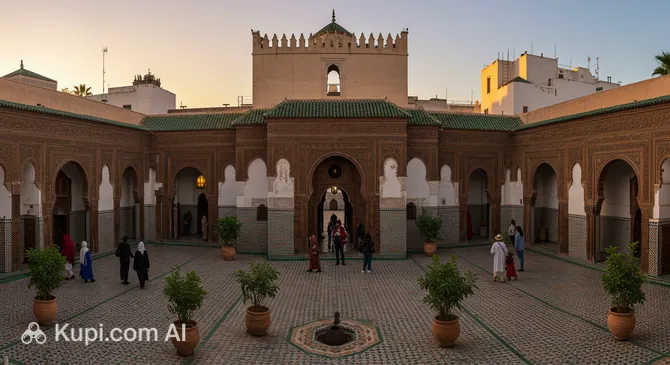
Kasbah Museum
Kasbah Museum. Иллюстрация. Источник: Kupi.com AI

Today, two fascinating departments coexist under one roof: the Museum of Moroccan Art and the Archaeology Museum. Visitors can not only explore rare artifacts but also admire the splendor of traditional riads with their cool courtyards and elegant fountains. Thanks to its hilltop location, it offers some of the best views of Morocco, the city itself, and the deep blue of the Strait of Gibraltar.

The museum's architecture is an ode to the Moorish style: carved arches, intricate "zellij" mosaics, and shaded terraces create the atmosphere of an Oriental fairy tale. It is not just a repository of antiquities, but a living testament to Tangier's rich history as a crossroads of civilizations.

Contacts

To confirm the current information about special exhibitions or to organize a group visit, you can contact the administration using the details below.

How to contactContact
AddressPl. de la Kasbah, Tanger 90030, Morocco
Phone+212 5399-12092

What to Do

The museum's halls invite you on a fascinating journey through time. Here, you can see a unique collection of artifacts: from exquisite jewelry made of precious stones to ancient ceramics and luxurious handmade carpets. One of the most mysterious exhibits is an ancient Carthaginian tomb, while art lovers won't want to miss the Roman mosaic "The Voyage of Venus", which is striking in its level of detail.

History buffs will find it interesting to study the collection of geographical maps from the 13th–16th centuries, which clearly show how Arab and Moorish navigators of that time viewed the world. The exhibition is thoughtfully divided by region: you will find the finest silks from Fez, brass and copper works by master craftsmen, as well as the famous Rabat carpets, where every pattern tells its own story.

Be sure to leave time for a stroll through the Andalusian Gardens. This fragrant part of the former palace is considered a true oasis of tranquility. Shaded alleys, the scent of citrus trees, and the cool water of the fountains make the gardens the perfect place to process your impressions of the Moroccan art masterpieces you've just seen.

Getting There

This major landmark is located in the eastern part of the historic Kasbah fortress. The path to it leads through the picturesque Old City (Medina), which is an open-air architectural monument in its own right.

You can enter the fortress grounds, where the museum entrance is located, via several routes: through the central gates from Kasbah Street, or through the winding alleys of the Medina via the authentic Bab el-Aissa or Bab Haha gates. Look for signs pointing to the Kasbah, which can be found at many intersections in the old quarter.

The most convenient way to reach the Medina is by taxi from the city center. If you prefer public transport, choose buses heading to Grand Socco square, from where the Kasbah gates are a 10–15 minute walk away, allowing you to soak in the atmosphere of the ancient city.

Ближайший город: Tangier

History & Facts

The history of this site is inextricably linked with the name of the legendary ruler of Morocco — Moulay Ismail, by whose decree the Kasbah fortress was built at the end of the 17th century. The majestic Dar el Makhzen palace, which forms the heart of the museum complex, served as the official residence of sultans for centuries and was the center of political life in the region.

The fortress held great strategic importance and was a key military site for decades. Between 1662 and 1684, the walls of the Kasbah served as a stronghold during the period when the city was under English control. Today, the powerful fortifications and the architectural austerity of the outer walls serve as reminders of those rugged times.

Interestingly, the museum's architectural ensemble took shape gradually: Portuguese elements of the old fortress blend harmoniously with the luxurious interiors of the royal palace. The complex gained its status as a museum in the 1920s, when authorities decided to preserve the country's rich cultural heritage and open the sultan's quarters to the general public.

Time Needed

For a thoughtful exploration of the exhibits and the architecture of Dar el Makhzen palace, most travelers require about 1.5 to 2 hours. This time is quite sufficient to view the archaeological finds, study the ancient maps, and enjoy the tranquility of the inner courtyards.

If you plan to spend time in the shaded Andalusian Gardens, taking photographs or simply relaxing away from the city bustle, it is worth setting aside half a day for your visit. The morning hours are the ideal time to visit, when the soft light highlights the beauty of the mosaics and fountains.

Working Hours

When planning your visit to the museum, please take note of the operating schedule. The complex is open to visitors most of the week, but has a weekly day off.

Opening Hours:
Monday: 10:00 AM – 6:00 PM;
Tuesday: Closed;
Wednesday – Sunday: 10:00 AM – 6:00 PM.

DayWorking hours
Понедельник10:00 – 18:00
ВторникЗакрыто
Среда10:00 – 18:00
Четверг10:00 – 18:00
Пятница10:00 – 18:00
Суббота10:00 – 18:00
Воскресенье10:00 – 18:00

Nearby

A visit to the museum can easily be combined with exploring other historical and cultural sites that abound in the old city. Exploring the surrounding area will allow you to feel the spirit of the ancient port more deeply and see the contrasts between different eras of Moroccan history.

NameDistance
Bab Al Bahr0.1 km
Kasbah Gate0.2 km
Grand Socco0.4 km
Restaurant Ahlen0.4 km
Grand Mosque of Tangier0.4 km
Mendoubia Gardens0.4 km
Tangier American Legation Museum0.5 km

Reached the end of the page?

That means the route is fully explored