Support

Anne Frank House

About

The Anne Frank House is one of the most significant and moving historical museums not only in Amsterdam but in the entire Netherlands. Located on the Prinsengracht canal, this house became world-famous as the place where the Jewish girl Anne Frank hid from persecution with her family during World War II. It was here, in the secret annex, that she kept her famous diary, which became one of the most poignant testimonies of that time.
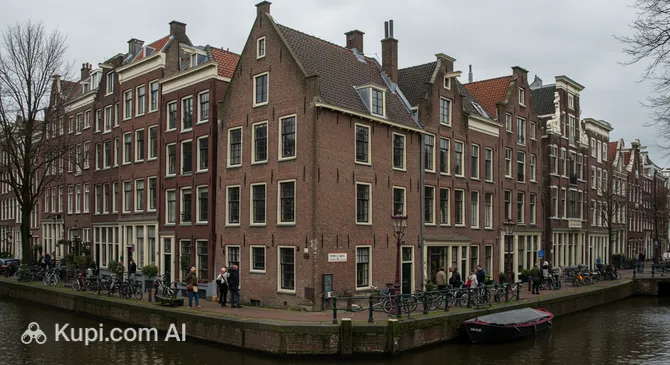
Anne Frank House. Illustration.
Source: Kupi.com AI

Traveler photos:

The central part of the museum is the Secret Annex (Achterhuis) itself, the entrance to which was hidden behind a movable bookcase. Visitors can walk through the rooms where eight people lived for two years and see firsthand their living conditions. The atmosphere in the house has been preserved to convey the feelings and experiences of its former residents. Although the furniture was removed, the history of this place is felt in every corner.

The museum's exhibition includes personal belongings, photographs, and historical documents that tell the story of the people who hid here. The main and most valuable exhibit is the original diary of Anne Frank, which is carefully kept in the museum. A visit to the Anne Frank House is not just a tour, but an opportunity to touch a real human story that reminds us of the importance of tolerance and humanism.

Contacts

To plan your visit and get the most up-to-date information on opening hours, tickets, and temporary exhibitions, it is highly recommended to visit the official museum website. Below are the main contact details for reaching out.

How to contactContact
AddressWestermarkt 20, 1016 GV Amsterdam, Netherlands
Phone number+31 20 556 7105
Websitewww.annefrank.org

What to Do

A visit to the Anne Frank House in Amsterdam is a deep immersion into history. The main part of the visit is dedicated to exploring the secret annex where Anne, her family, and others lived for over two years. You can walk through the empty rooms that have preserved the atmosphere of that time and see the secret entrance that was disguised as a bookcase. Although there is no furniture in the rooms, you can see growth marks of Anne and her sister on the walls, as well as photos and postcards they hung to decorate their living space. This allows visitors to personally imagine the living conditions, fears, and hopes of the people in the annex.

In addition to the annex itself, the museum exhibition tells the story of the Frank family and the historical context of those years. One of the main and most touching exhibits is the original of the famous Anne's diary, which is on display along with her other writings. You can also see personal belongings, historical documents, photographs, and short films illustrating the events that took place in the house. The exhibition covers in detail the history of the persecution of the Jewish population in the Netherlands during World War II.

In the modern part of the museum, visitors are invited to learn more about the history using interactive technologies. In the multimedia space, you can take a "virtual journey" through the house, studying its layout in detail and learning more about the fates of its inhabitants. The visit concludes in a hall where video installations and exhibits encourage reflection on important topics such as tolerance, humanism, and freedom of speech in today's world. This makes visiting the museum not just an inspection of a historical site, but a meaningful and memorable experience.

Getting There

The Anne Frank House is located in the heart of Amsterdam, at Prinsengracht 263-267. Due to its central location near Dam Square, it is easily accessible on foot from many parts of the city. For instance, a walk from the Central Station takes about 20 minutes and allows you to enjoy the views of the picturesque canals.

For those who prefer public transport, the Westermarkt stop is located right near the museum. It can be reached by trams No. 13, 14, or 17. Many city buses also stop in this area. Additionally, renting a bike is an excellent option — it is not only a convenient but also a very popular way to get around the capital of the Netherlands, allowing you to feel like a local.

It is important to note that access to the museum for visitors with limited mobility may be difficult. Due to the building's historical layout and the need to preserve its authenticity, there are no elevators in the house. This should be kept in mind when planning your visit.

Nearest city: Amsterdam

History & Facts

The history of the house on the Prinsengracht canal in Amsterdam began long before the tragic events of the 20th century. The building was constructed back in 1635 and has changed many roles over its long life: from a respectable mansion, it turned into a warehouse, and at the beginning of the 20th century, it housed the production of household appliances. A turning point in its history occurred in 1940, when the company "Opekta", where Otto Frank, Anne's father, worked, moved into the building.

The main drama unfolded in the back part of this house, in the so-called "Secret Annex" (Achterhuis). With the help of dedicated "Opekta" employees, the Frank family and four other people were able to set up hidden rooms. Here, in total isolation from the outside world, they hid from persecution from July 6, 1942, to August 1944. Unfortunately, in August 1944, the hiding place was discovered, and all its inhabitants were arrested and sent to concentration camps.

After the war ended, the house, which had become a silent witness to tragedy, was under threat of demolition. However, thanks to active public efforts and the specially created Anne Frank Foundation, it was saved. The building was purchased, restored, and in 1960, it opened its doors to visitors as a museum. Since then, the Anne Frank House has served not only as a memorial but also as an important reminder of the inhumanity of discrimination and the value of humanism.

Time Needed

To fully experience the Anne Frank House, it is recommended to set aside approximately 1–2 hours. A typical visit takes about an hour, but this might not be enough to fully immerse yourself in the atmosphere. By planning for an hour and a half or two, you can take your time walking through all the rooms of the famous "Secret Annex," carefully examine the main exhibition, including the original diary, and familiarize yourself with the historical materials on display.

Visiting the museum is a profound emotional experience, so it is important to have enough time to reflect on what you have seen. This will allow you to not just follow the route but also pay attention to details: photographs, quotes from the diary, and personal belongings of the former residents of the annex. Some visitors also choose an additional 30-minute introductory program before the main tour, which should also be considered when planning your visit.

Working Hours

The Anne Frank House is open to visitors year-round, but opening hours may vary. Generally, the museum is open daily from 9:00 AM to 10:00 PM. However, the schedule may change depending on the season or on public holidays. For example, during the winter period or on days like Christmas Eve and New Year's Day, the museum may close earlier. Therefore, it is strongly recommended to check the current opening hours on the official website of the Anne Frank House before your visit.

Visiting this museum requires careful planning. Tickets to the Anne Frank House are sold exclusively online and must be purchased in advance for a specific date and time. Tickets are not sold on-site. Given the museum's immense popularity, tickets sell out very quickly, often weeks before the visit date. New tickets go on sale on the website every Tuesday at 10:00 AM local time for dates six weeks ahead. If you want to visit this iconic Amsterdam museum, be sure to book your tickets well in advance.

9:00 – 22:00

Nearby

Visiting the Anne Frank House is a deep and moving experience, but your exploration of Amsterdam should not end there. The Jordaan district, where the museum is located, is itself one of the most picturesque parts of the city. A stroll through its surroundings will not only allow you to better feel the capital's atmosphere but also complement your visit by seeing other iconic spots.

In the immediate vicinity of the museum, there are both world-famous landmarks and cozy, less touristy corners. This is a wonderful opportunity to combine immersion in history with exploring the city's cultural and everyday life. Below is a list of interesting places located very close by that can easily be included in your itinerary.

NameDistance
Royal Palace Amsterdam0.5 km
Dam Square0.6 km
Madame Tussauds Amsterdam0.7 km
P.G.C. Hajenius0.8 km
Café Hill Street Blues1 km
Rembrandt House Museum1.3 km
The Pantry1.3 km

Have you reached the end of the page?

So the route has been studied inside and out