Support

Calamba

About

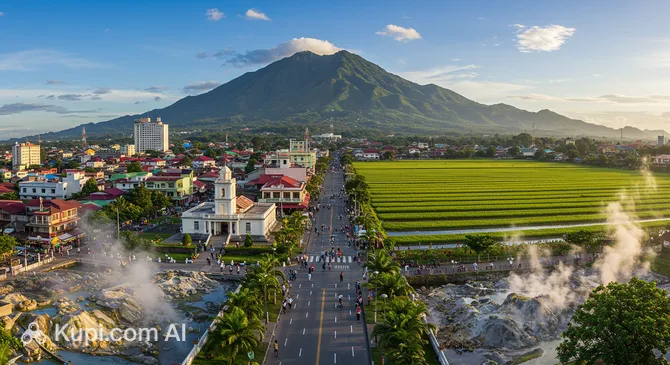
Calamba is not just a city, but the true heart of Laguna province and a vital administrative center of the dynamically developing CALABARZON region. Located in the south of Luzon Island, just an hour's drive from Manila, Calamba is a significant cultural and economic hub of the Philippines.

The city is nestled on the shores of the picturesque Laguna de Bay, surrounded by green hills and famous thermal springs. Thanks to its location, Calamba boasts a warm and mild climate year-round. With a population of about 540,000 people, it is a large and modern city that combines the energy of a metropolis with the charm of provincial neighborhoods.

Calamba. Illustration.
Source: Kupi.com AI

The main pride of Calamba and a place of pilgrimage for many Filipinos and tourists is the Jose Rizal Shrine, the home of the national hero who was born right here. This place literally breathes history. Additionally, the city is famous for its hot springs, offering relaxation and health benefits, as well as picturesque natural landscapes perfect for walks and enjoying nature.

Calamba is a city where everyone will find something for themselves: from diving into rich history and culture to enjoying natural beauty and discovering authentic local cuisine at lively markets. It is a place with a special atmosphere that warmly welcomes guests and leaves them wishing to return again.

You can find more interesting facts on the history of Calamba city page

Weather Overview

The weather in Calamba is characterized by warm temperatures throughout the year. Average monthly temperatures range from 25.2°C in January to 28.9°C in May. The hottest months are April and May, when maximum temperatures can reach 31.8°C - 32.2°C. Rainfall is unevenly distributed: a relatively dry period occurs from January to April, with the least amount of rain in March (1 mm). The highest rainfall occurs from June to October, peaking in July (16 mm), which also sees the maximum number of rainy days (30 days). Overall, expect a warm and humid climate, especially in the summer months, and drier weather at the beginning of the year. For a more detailed forecast and information on current weather conditions, you can visit the Calamba's climate page.

Average monthly temperature

Average monthly precipitation

Interesting Facts

In addition to its famous resorts and historical significance as the birthplace of a national hero, Calamba holds several curious details that make this city even more attractive to travelers. Here are some of them:

Rizal Shrine. Illustration.
Source: Kupi.com AI

Traveler photos:

  • Calamba is where Jose Rizal, revered as the greatest national hero of the Philippines, was born and spent his childhood years. His former home is now the Jose Rizal Shrine, one of the city's main and most visited attractions.

  • The name "Calamba" is believed to have originated from the local word "kalamba", meaning a large clay water jar. Legend has it that Spanish colonizers, asking the name of the place from local women carrying such a jar, received the name of the vessel itself in response. In honor of this story, a giant monument in the shape of such a jar was installed at Calamba Plaza, becoming a symbol of the city.

  • The city is famous for its numerous hot springs, which is why Calamba is often called the "resort capital of Laguna province." Many resorts, such as the Solemar Del Pansol Private Pool Resort, offer guests the chance to relax in healing thermal waters while enjoying tropical nature.

How to Get There

A journey to this bustling city in Laguna province usually begins with a flight to Luzon Island. Since the city does not have its own airport, tourists use the transport hubs of neighboring Philippine metropolises. You can learn more about how to get to Calamba to plan the most suitable route.

The most convenient and popular option is Ninoy Aquino International Airport (MNL). Calamba city itself does not have an airport, but you can fly into this main national hub located in Manila, which is only 36.6 km away. This is the country's largest gateway with a huge passenger flow. A trip from the terminal to the center of Calamba by taxi or transfer will take approximately 1 hour and 15 minutes, provided the roads are not too congested.

Another possible entry point is Clark International Airport (CRK). It is located in Angeles City, about 125.8 km from Calamba. This airport is often chosen by travelers using low-cost carriers. However, keep in mind that the transfer from here will be long: the car journey takes about 3 hours and 30 minutes.

For clarity, here is summary information on the main airports:

AirportPassenger trafficDistance
Ninoy Aquino International Airport50.1 mln37 km
Clark International Airport2.4 mln126 km
Naga Airport71 487238 km
Busuanga Airport341 546259 km
Boracay Airport3.8 mln267 km

As for land transport, rail connection is not the primary way for most tourists to reach the city. The main transport artery is the South Luzon Expressway (SLEX). Comfortable buses and shuttle vans regularly run to Calamba from Manila and other neighboring cities. A bus trip is an economical and reliable way to get to the city, allowing you to enjoy the views of Laguna province along the way.

Main Attractions

Calamba, a city with a rich history and vibrant culture, offers travelers many interesting places to visit. From historical shrines to modern shopping centers and cozy restaurants, everyone will find something to their liking while exploring the heritage and daily life of this Philippine city.

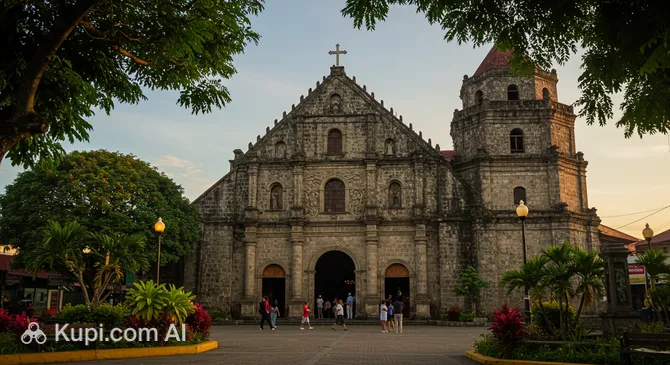
One of the city's key historical landmarks is the St. John the Baptist Parish Church. This old stone church is of great significance as it was here that the national hero of the Philippines, Jose Rizal, was baptized. Tourists and devotees come here to see the original font and soak in the atmosphere of centuries-old history. The church is also a beautiful example of the region's religious architecture.

St. John the Baptist Parish Church (Calamba). Illustration.
Source: Kupi.com AI

Traveler photos:

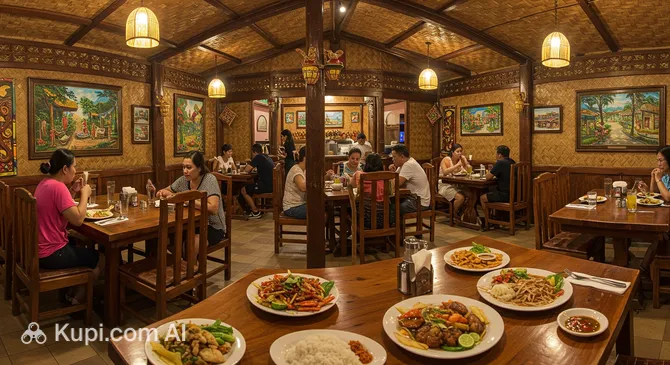
For lovers of Japanese cuisine, the Ippon Yari restaurant is open in Calamba. Here you can enjoy authentic dishes prepared from fresh ingredients in a pleasant atmosphere. It is an excellent place for dinner or lunch after a busy day of sightseeing.

Ippon Yari. Illustration.
Source: Kupi.com AI

Traveler photos:

Shopping enthusiasts should visit CityMall Calamba. This modern shopping center offers a wide selection of clothing, electronics, and home goods stores, as well as various cafes and restaurants. Here you can not only shop but also have a great time with the whole family.

City Calamba Mall. Illustration.
Source: Kupi.com AI

Traveler photos:

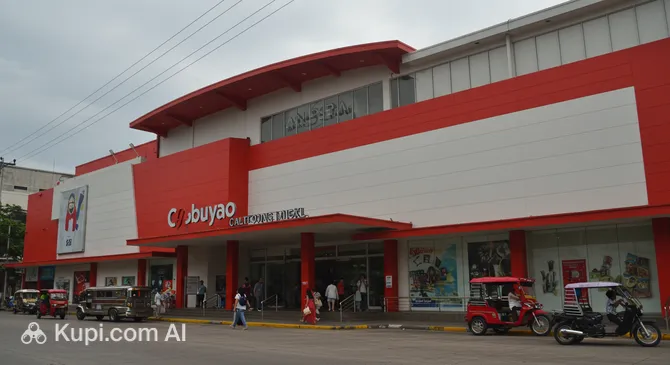
Another popular spot for shopping and entertainment is the Cabuyao Commercial Center. It offers visitors various shops, a food court, and entertainment zones, making it a convenient place for daily needs and relaxation.

Cabuyao Mall. Illustration.
Source: Kupi.com AI

Traveler photos:

Local Cuisine

The gastronomic scene in Calamba is a true discovery for foodies wishing to get acquainted with authentic Filipino cuisine. The star of the show and a must-try for every guest is the famous "buko pie" — a delicate pie filled with young coconut meat. This dessert has become a true culinary symbol of the Laguna region, and in Calamba, it is prepared according to special recipes passed down from generation to generation.

The best way to immerse yourself in the local flavors is on the city's busy streets and markets. Here, a real kaleidoscope of street food awaits you: fragrant chicken skewers ("inihaw"), crispy fried bananas, various rice cakes, and hearty spicy soups. Local markets also abound with fresh tropical fruits — be sure to try juicy mangoes, papayas, exotic rambutans, and langka (jackfruit). Many sweets can be sampled right on the spot.

Dishes made from fresh fish and seafood caught in the nearby Laguna de Bay lake hold a special place in Calamba's cuisine. They are prepared in various ways to preserve their natural flavor. For drinks, look out for the refreshing "sago't gulaman" — a sweet drink with tapioca pearls and jelly — as well as all kinds of freshly squeezed local fruit juices that perfectly quench thirst on a hot day.

The dining culture in Calamba is diverse: locals and tourists alike enjoy eating in small family restaurants, right on the street at food stalls, or at lively markets. The city is also known for its culinary festivals and fairs, where you can not only taste traditional dishes but also watch masterclasses by local chefs. It is a wonderful opportunity to discover the richness of Filipino cuisine and take home unforgettable taste memories.

Travel Tips

Planning a trip to Calamba, a charming city in Laguna province in the Philippines? These practical tips will help you better prepare for your journey and get the most out of your stay in this historically significant place.

  1. Wardrobe for the tropics and cultural visits: Calamba has a tropical climate, so pack light, breathable clothing made of natural fabrics. Don't forget sunscreen, a hat, and comfortable shoes for walking. The rainy season lasts from May to November, so a light waterproof jacket or umbrella will be very useful. If you plan to visit churches or the Rizal Shrine, choose modest clothing that covers shoulders and knees. Electrical outlets in the Philippines are usually types A, B, and C, with 220V voltage – check if you need an adapter.
  2. Getting around town: The main modes of public transport in Calamba are jeepneys (bright route buses), tricycles (motorcycles with sidecars), and buses. For more comfortable trips, you can use taxi services or ride-hailing apps like Grab. Car rental is possible, but keep in mind that traffic can be quite intense and specific.
  3. Financial aspects: The national currency is the Philippine Peso (PHP). You can exchange currency at banks or authorized exchange offices; avoid street money changers. Credit and debit cards are accepted in major hotels, restaurants, and shopping malls, but for small shops, markets, and paying for jeepney or tricycle rides, it's better to always have cash. ATMs are fairly common. Tipping in restaurants is usually 5-10% of the bill if a service charge is not already included, and is always appreciated for good service.
  4. Health and safety: Pharmacies (locals call them "botika") can be found in many areas of the city; some are open 24/7. If medical assistance is needed, local clinics and hospitals are available to tourists. Calamba is generally considered a safe city, but as everywhere, basic precautions should be observed: watch your belongings in crowded places, do not display expensive jewelry, and avoid walking in poorly lit and deserted areas after dark.
  5. Communication and language: The official languages in the Philippines are Filipino (based on Tagalog) and English. English is widely spoken, especially in the tourism sector, so there should be no communication problems. Learning a few basic phrases in Tagalog (e.g., "Salamat" – thank you, "Magandang umaga" – good morning) will be a nice gesture for the locals. Local SIM cards (popular operators are Globe, Smart) can be easily purchased at the airport or in city shops. Wi-Fi is available in most hotels, cafes, and shopping malls.
  6. Local etiquette: Filipinos are known for their hospitality and friendliness. When communicating, especially with elders or those in authority, use the respectful particles "po" and "opo" (equivalent to a polite "yes"). A smile and politeness will help establish contact. Avoid public displays of anger or loud arguments, as this is considered bad form.
  7. What to avoid: Do not point at people or objects with your index finger – it is considered rude; instead, use a nod of the head or point with your lips. Also, try not to refuse an offering of food directly if it's offered to you; it's better to thank them politely and explain the reason if you cannot accept. Criticizing or discussing local ways in a negative light can be perceived as disrespectful.
  8. Immerse yourself in history and nature: Calamba is, first and foremost, the birthplace of the national hero of the Philippines, Jose Rizal. Be sure to visit the Jose Rizal Shrine to gain a deeper understanding of the country's history and culture. Additionally, Laguna province is famous for its hot springs – a great opportunity to relax after a busy sightseeing day.

We hope these tips make your trip to Calamba even more pleasant and comfortable. Enjoy every moment of your stay in this interesting Philippine city!

Entertainment & Nightlife

When the sun sets over Calamba, the city offers its own options for evening leisure, distinct from noisy metropolises. You won't find districts with many large world-class nightclubs here, but you will discover cozy places for dinner, socializing, and quiet relaxation after a busy day.

Evening life in Calamba is mainly concentrated around restaurant-bars, cafes, and karaoke venues. Many of these are located within modern shopping centers, such as CityMall Calamba, which becomes a focal point in the evening. Establishments can also be found along the Maharlika Highway (National Highway) passing through the city, or in the Crossing area, where commercial activity is concentrated. Beyond the malls, more authentic local cafes and eateries are found in lively neighborhoods and near public spaces.

The atmosphere in most Calamba venues is quite laid-back and welcoming. The crowd is mixed: locals, families, and occasionally tourists. The dress code is usually casual, except perhaps for some more formal hotel restaurants. Most restaurants and cafes are open until 22:00-23:00, while some bars and karaoke spots may stay open later, especially on weekends. The best time for an evening out is after 19:00, when the daytime heat subsides and the city comes alive in a new way.

For a pleasant dinner, you might consider the Ippon Yari restaurant, known for its cuisine and atmosphere. In the aforementioned CityMall Calamba and Cabuyao Commercial Center, you will find various food courts, restaurants with local and international cuisine, and places for rest and entertainment, including karaoke.

For getting around the city during the evening and night, tricycles or taxis are convenient to use. It is recommended to agree on the tricycle fare in advance or use official taxi services. In some cases, ride-hailing apps may be available. Prices for food and drinks in Calamba are generally affordable. The city is considered relatively safe; however, standard precautions, such as avoiding poorly lit and deserted areas late at night and staying mindful of personal belongings, are always relevant.

During the day, Calamba also offers interesting leisure options. Guests can visit iconic historical sites, such as the Jose Rizal Shrine, dedicated to the Philippine national hero. It's pleasant to walk around Calamba Plaza or inspect local religious buildings like the St. John the Baptist Parish Church. For family holidays and escaping the heat, numerous resorts with pools in the Pansol area are perfect, such as the Solemar Del Pansol Private Pool Resort.

Overall, Calamba offers a quiet but pleasant range of evening entertainment, geared more toward gastronomic relaxation, karaoke, and socializing rather than loud parties until dawn. It is a great place to enjoy local cuisine and hospitality after a day spent exploring cultural and historical attractions.
Parks & Museums

Calamba, a city with a rich historical heritage, offers its guests both pleasant green areas for relaxation and significant cultural sites that allow for a deeper understanding of the history and soul of the Philippines. Here, you can harmoniously combine walks in the fresh air with an immersion into the country's past.

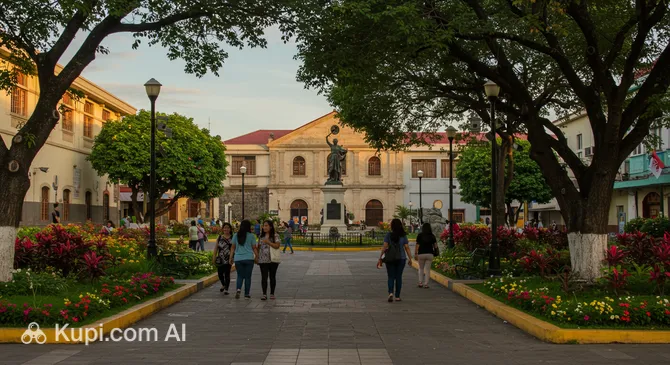
Among the city's recreational spaces, Calamba Plaza stands out. This is a central and lively spot where locals and tourists can relax, observe the city's daily life, or attend various events frequently held here. The plaza serves as a great starting point for exploring the main attractions. While Calamba is primarily an urban center, its location in Laguna province provides access to the region's natural beauty, such as lakes and hot spring resorts, which are reachable for day trips.

Calamba City Plaza. Illustration.
Source: Kupi.com AI

Traveler photos:

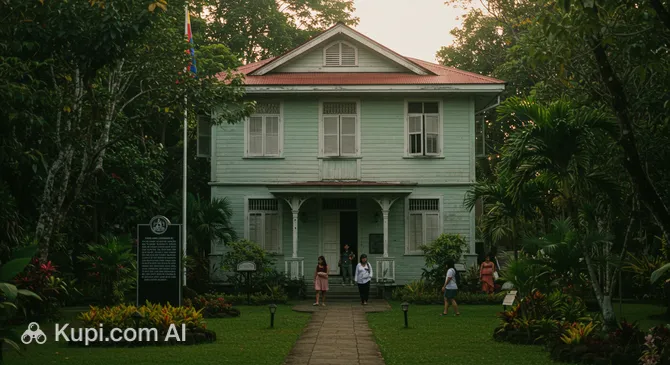
The main cultural attraction and a must-visit site in Calamba is the Jose Rizal Shrine. This is a meticulously reconstructed replica of the house where the Philippine national hero was born and spent his childhood. Visiting this museum provides a unique opportunity to touch the life of an outstanding personality, see personal belongings of the Rizal family, historical furniture, and learn more about his contribution to the struggle for the country's independence. It is, without a doubt, the city's key museum reflecting its historical significance. In addition to this iconic site, small art spaces showcasing local talent can be found in the city.

Rizal Shrine. Illustration.
Source: Kupi.com AI

Traveler photos:

An important historical and architectural site is the St. John the Baptist Parish Church. This old stone church, located near the Rizal Shrine, holds special significance as it was here the future national hero was baptized. The church is interesting for its preserved colonial architecture and is an active parish, allowing visitors to feel the spiritual atmosphere and historical continuity.

St. John the Baptist Parish Church (Calamba). Illustration.
Source: Kupi.com AI

Traveler photos:

For a more authentic experience, stroll through the streets adjacent to Calamba Plaza – here you can discover local cafes and shops offering traditional goods. Also, after visiting the Jose Rizal Shrine, take your time and spend some moments in its adjacent garden – it is a quiet and well-maintained place perfect for reflection.

Getting Around

Getting around Calamba is possible using several types of public transport, each with its own characteristics. The backbone of the transport system consists of the famous Philippine jeepneys — brightly decorated route buses following specific paths. This is the most popular and colorful way to move around the city, although not always the most comfortable due to the lack of air conditioning and potential crowding during peak hours.

Besides jeepneys, tricycles (motorcycles with sidecars) and pedicabs (bicycle rickshaws) are widespread and ideal for short trips or reaching places jeepneys don't go. Routes and trip costs for tricycles are usually discussed with the driver in advance. For longer journeys, including to neighboring towns, buses are used, departing from terminals or specific stops.

The payment system in Calamba public transport is predominantly cash-based. In jeepneys, payment is made directly to the driver or conductor. The fare is usually fixed for a certain route or section. In tricycles, the price is negotiable. There are generally no specialized travel cards or mobile apps for fare payment in local public transport. It is recommended to carry small bills and coins for convenience.

Practical tips for tourists: jeepneys run from early morning until late evening, but their frequency may decrease during off-peak hours. The jeepney route is usually indicated on its sides or windshield. To stop a jeepney, simply signal with your hand. To get off, notify the driver by knocking on the roof or handrail. Be prepared for transport to be crowded during peak hours.

As an alternative to public transport in Calamba, you can use taxi services, though they may not be as numerous as jeepneys. Mobile apps for calling taxis or private drivers, such as Grab, are also popular. This can be a more comfortable but also more expensive option, especially for long-distance trips or traveling with luggage. The possibility of renting bicycles or scooters is limited and is not a common practice for tourists.

Accommodation

In Calamba, travelers can find a variety of accommodation options to suit different preferences and budgets. The range of available housing includes budget guesthouses and hostels, mid-range hotels, as well as more comfortable resort complexes and private villas with pools. For those seeking more independence and a homey feel, apartment and room rentals are available.

When choosing a place to stay in Calamba, it is worth paying attention to areas with good transport accessibility and proximity to major infrastructure. Some tourists prefer to stay near popular attractions or in areas from which it is easy to reach the natural beauty of the Laguna region.

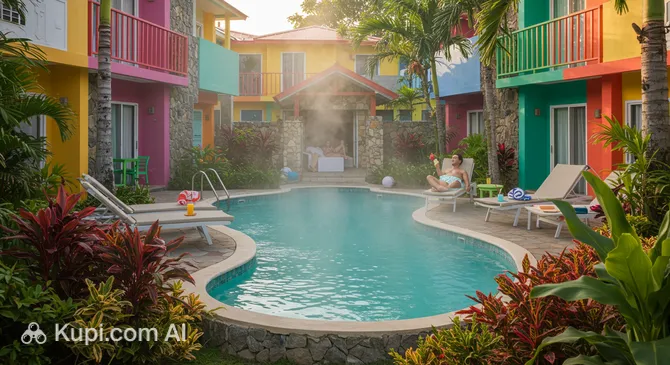
Among the offers in the city, you can find resort hotels offering a comfortable stay. For example, one such place is the Solemar Del Pansol Private Pool Resort, known for its recreational facilities.

Solemar Del Pansol Private Pool Resort. Illustration.
Source: Kupi.com AI

Traveler photos:

When planning a trip, especially during peak tourist season or local holidays, it is recommended to book accommodation in advance. This will not only ensure you get a place to your taste but may also allow you to take advantage of better offers.

The price range for accommodation in Calamba varies from quite budget-friendly options to higher-end offers. You can book accommodation through popular international online platforms and reservation systems, as well as directly on hotel websites or by contacting guesthouse owners.

Nearby Cities

For those looking to explore the surroundings, Calamba serves as an excellent starting point for day trips to several interesting nearby locations:

CityPopulationDistance
Pansol34 2403 km
Cabuyao355 3305 km
Los Baños115 35310 km
Santo Tomas218 50010 km
Santa Rosa414 81211 km

These nearby destinations provide insight into the diverse culture and landscapes of the region. A trip to any of these cities will enrich your journey through the Philippines with new impressions and discoveries.

Shopping & Souvenirs

Calamba offers tourists a variety of shopping opportunities, from modern malls to colorful local markets. Known as the birthplace of national hero Jose Rizal, the city also delights with authentic souvenirs and products by local craftsmen. Here, you can find both everyday goods and unique items to remember your trip to the Philippines.

The main shopping spots in Calamba are concentrated around the central streets and near major transport hubs. While the city doesn't have a single dedicated pedestrian shopping street like some megacities, shops and stalls can be found in busy areas, especially near Calamba Plaza and its surrounding blocks. Small family-run stores offering clothing, shoes, and home goods are common here.

For those who prefer comfortable shopping under one roof, there are several malls in Calamba. One popular spot is CityMall Calamba, which features a wide assortment of products: from clothing and electronics to food and entertainment. You can also visit the Cabuyao Commercial Center, located in the neighboring city but easily accessible from Calamba, which also offers a good selection of shops and services.

In addition to shopping centers, local markets are worth visiting. The Calamba Public Market is an excellent place to immerse yourself in the local atmosphere, buy fresh fruit, vegetables, and seafood, and try local delicacies. You can also find inexpensive clothing, household items, and handmade souvenirs here at lower prices than in tourist shops.

As souvenirs from Calamba, tourists often bring back items related to Jose Rizal — these can be books, postcards, magnets with his image, or quotes. Local sweets, such as "buko pie" (coconut pie), wooden items, shell crafts, and textiles with traditional Filipino patterns are also popular. Don't forget to check out the souvenir shops at the Jose Rizal Shrine.

Most shopping malls in Calamba operate daily, usually from 10:00 to 20:00 or 21:00. Smaller shops may have their own schedules, and markets often open early in the morning. Credit cards are accepted in malls and large stores, but cash (Philippine Pesos) is preferred in markets and smaller shops. It is recommended to always carry some cash for small purchases.

Regarding tax refunds (Tax Free), the Philippines has a VAT Refund system for tourists on certain goods purchased in accredited stores. However, the process may not be as simple or widespread as in some other countries. If you plan on making major purchases, it's worth checking with the store in advance about the possibility of processing tax refund documents and the terms of the procedure.

Reached the end of the page?

That means the route is fully explored