Support

Fort Santiago

About

Fort Santiago is a famous historical citadel located in the heart of the ancient walled district of Intramuros in Manila, the capital of the Philippines. This iconic monument of architecture and history is a must-see for anyone interested in the past, as well as for curious travelers wishing to better understand the country's culture. The fort serves as an important symbol of the colonial period in Philippine history and the nation's long, eventful journey toward independence.
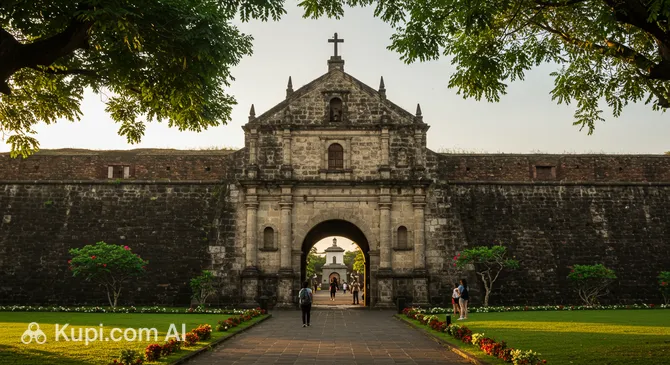
Fort Santiago. Illustration.
Source: Kupi.com AI

Traveler photos:

The fort owes its name to Saint James the Great (Santiago), the patron saint of Spain. It was originally built as a powerful defensive structure designed to protect the city from external threats, such as foreign invasions, and to suppress local uprisings. Its massive walls and bastions have witnessed many key moments in Philippine history over the centuries.

Today, Fort Santiago is more than just a silent witness to the past; it is a vibrant cultural space. Visitors can stroll through its well-kept grounds, explore ancient dungeons, and visit the museum dedicated to national hero Jose Rizal, who spent his final days here. This site offers a unique opportunity to connect with the rich national heritage of the Philippines and feel the atmosphere of bygone eras.

Contacts

To get up-to-date information on Fort Santiago's opening hours, ticket prices, and available tours, we recommend checking the official tourism resources of Manila or confirming details directly upon arrival. As Fort Santiago is a well-known historical site located in the Intramuros district, it is usually easy to reach by taxi, public transport heading to the city center, or as part of an organized tour.

How to contactContact
AddressIntramuros, Manila, 1002 Metro Manila, Philippines
Phone number+63 2 8527 3155
Websitevisitfortsantiago.com

What to Do

A visit to Fort Santiago offers various opportunities to experience its rich history and atmosphere. One of the best ways to immerse yourself in the past is by taking part in organized historical tours. Experienced guides provide fascinating insights into the fort's importance during different eras, tell stories of its famous prisoners, and help reveal many interesting facts hidden behind its ancient walls. This is a wonderful chance not just to see but to truly understand the historical significance of this place.

The grounds of Fort Santiago itself invite leisurely exploration. You can stroll along the quiet alleys and green lawns, enjoying the tranquility of this historical oasis. The fort's unique architecture, ancient fortifications, and picturesque corners provide a magnificent backdrop for memorable photos. Every stone here seems to breathe history, and you will have plenty of opportunities to capture these moments.

Additionally, there are several museums on the fort's territory that help provide a deeper understanding of Manila's history and Philippine culture. Of particular note is the Rizal Shrine, dedicated to the national hero of the Philippines, Jose Rizal, who spent his final days here before his execution. The museum detailing the period of Japanese occupation is also of interest. These exhibits offer valuable insights and complement the experience of walking through the fort itself, making your visit even more rewarding and educational.

Getting There

Getting to Fort Santiago in Manila is quite simple, as it is located in the heart of the city within the historical Intramuros district. One of the most convenient ways is to take a taxi or use popular ride-hailing services like Grab. This option is particularly suitable if you are traveling with family, a small group, or simply value comfort and speed, as the driver will take you directly to the fort's entrance.

If you prefer public transport, you can reach Intramuros, where the fort is located, by traditional Filipino jeepneys or city buses. You will need to find a route heading toward Intramuros or central Manila. The nearest public transport stop is usually just a few minutes' walk from the entrance to Fort Santiago, making this an economical option that allows you to experience the local flavor.

Another alternative is to use the LRT (light rail). The nearest station to Fort Santiago is Central Terminal. From this station, you can walk to the fort in about 15–20 minutes. This route also allows you to explore the surroundings and feel the city's atmosphere.

Nearest city: Manila

History & Facts

The history of Fort Santiago began in 1571 when the Spanish conquistador Miguel López de Legazpi laid its original foundations. In those days, the fortress was a structure made of logs and earth. However, as early as 1574, it was destroyed following an attack by the Chinese pirate Limahong. After this tragic event, the fort was not just restored but radically rebuilt: by 1593, it was constructed of stone and brick, becoming a much more powerful and reliable fortification.

Over the centuries, Fort Santiago has played a key role in the history of the Philippines, silently witnessing the changing eras. It stood through the Spanish colonial period, the American period, and the difficult years of the mid-20th century. Strategically located at the mouth of the Pasig River, the fort, along with its system of bastions and gates, served as a reliable defense for Manila against numerous external threats and invasions, highlighting its military importance.

Throughout its long history, Fort Santiago has changed hands several times, being held by the British, Americans, and Japanese, each leaving their mark on its fate. It was only in the late 20th century that a new chapter began for the fort—its rebirth as an important historical and cultural site. Today, Fort Santiago is not just a monument of the past but a popular destination attracting tourists from all over the world who wish to experience the rich heritage of the Philippines.

Time Needed

When planning a visit to Fort Santiago, it is worth setting aside about 2–3 hours for exploration. This time is usually sufficient for a leisurely walk through the main grounds, getting to know key historical points such as the gates, bastions, and prison cells, and soaking up the atmosphere of this significant site. You will be able to take beautiful photos and get a general idea of the fort and its role in the history of Manila.

If you want to dive deeper into history, visit the Rizal Shrine and other museum exhibits within the fort, perhaps hire a guide, or simply spend more time enjoying the views and tranquility, the duration of your visit may increase to 3–4 hours or even half a day. History buffs and those who prefer not to rush will find plenty of interest here to stay longer.

Thus, the optimal time to visit Fort Santiago depends on your interests and travel style. A couple of hours is enough for a general overview, but for a more thoughtful exploration, it is better to plan for more time to fully appreciate the historical and cultural significance of this monument in the Philippines.

Working Hours

Fort Santiago is usually open to visitors daily, including weekends and public holidays, making it accessible at any convenient time. However, operating hours may vary slightly depending on the season or special events. Generally, the fort opens in the morning and remains open until evening. As of the latest information, standard opening hours were from 8:00 AM to 9:00 PM, but it is always recommended to verify this before your visit.

To get the most accurate and up-to-date information on Fort Santiago's opening hours, as well as ticket prices and any schedule changes, we strongly advise visiting the official website of the Intramuros Administration or contacting local tourist information centers in Manila. Typically, advance ticket booking for individual visits is not required, but if you are planning a group tour or visiting during peak season, checking in advance can be helpful. The fort is open year-round, offering visitors the chance to dive into the history of the Philippines at any time of year.

8:00 – 23:00

Nearby

A visit to Fort Santiago is undoubtedly a landmark event in any journey through Manila. However, to make your experience even more enriching and complete, it is worth paying attention to the attractions located nearby. Exploring the surrounding area will allow you to dive deeper into the history and culture of this amazing city, discovering new facets of its charm.

Many interesting sites are within walking distance or a short distance from Fort Santiago, making them a convenient addition to your itinerary. These can include other historical monuments, cultural centers, museums, or simply picturesque spots, each unique in its own way, helping to create a more complete picture of Manila's rich heritage.

NameDistance
Intramuros0.7 km
Casa Manila0.7 km
Jones Bridge0.8 km
National Museum of Fine Arts1.4 km
National Museum of Anthropology1.5 km
National Museum of Natural History1.8 km
Coconut Palace2.9 km

Have you reached the end of the page?

So the route has been studied inside and out