Support

Baguio City Market

About

Baguio City Market is the pulsating heart of Baguio City and the busiest main trading center in the mountain region of the Philippines. Located right in the center at the foot of the famous Session Road, this market is a massive complex where authentic life hums beneath one roof and across open-air stalls.
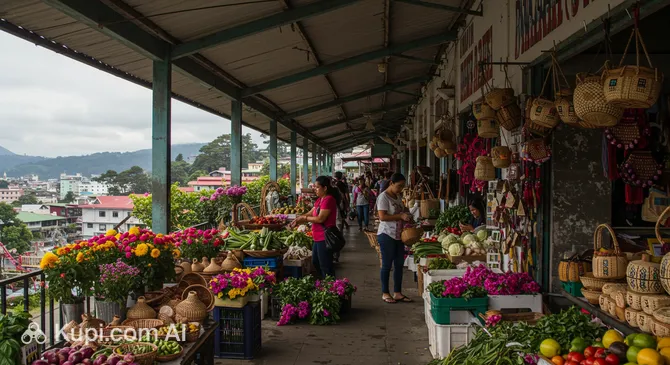
Baguio City Market. Illustration.
Source: Kupi.com AI

Traveler photos:

Here you can find almost everything the region is famous for. Stalls overflow with the freshest vegetables, fruits, and the renowned local strawberries. Tourists and locals alike come here for unique delicacies such as peanut butter, strawberry wine, and ube (purple yam) jam. Additionally, the market offers a huge selection of handicrafts, handmade souvenirs, warm clothing, and traditional textiles, making it the perfect place to buy gifts.

Visiting the City Market is more than just shopping; it is a true immersion into the authentic atmosphere of Filipino culture. It is a place where you can chat with friendly vendors, haggle over prices, and feel the true spirit of the city. The noise, the aromas of fresh produce, and the bright colors create an unforgettable experience, making the market a must-see on any traveler's itinerary in Baguio.

Contacts

Baguio City Market is a large and bustling public space, so it does not have a single central inquiry phone number. The market is one of the key attractions in Baguio and is easily accessible by taxi or local public transport from anywhere in the city. It is best to check on-site for the most up-to-date information regarding operating hours.

How to contactContact
AddressMagsaysay Ave, Baguio, 2600 Benguet, Philippines
Phone number+63 923 354 3888
Websitebaguiopublicmarket.blogspot.com

What to Do

Baguio City Market is not just a place for shopping, but the true heart of the city where you can immerse yourself in an authentic atmosphere and get to know the local culture. It is a lively space filled with bright colors, aromas, and sounds. Visiting the market is a great opportunity to see the daily life of Baguio residents and feel like a part of it while observing the busy trade and chatting with friendly vendors.

The main reason people come here is for the fresh produce that this mountain region of the Philippines is famous for. On the stalls, you will find the celebrated local strawberries, various citrus fruits, sweet potatoes, and an abundance of fresh greens. In addition to fruits and vegetables, be sure to try the local delicacies. Strawberry taho—a warm dessert made of soy pudding with sweet strawberry syrup—is particularly popular, as is peanut brittle (a crunchy nut sweet) and various dried and smoked products.

The market is also the perfect place to buy souvenirs and gifts. It features a wide range of handmade items: from intricate wood carvings and woven baskets to unique textiles and traditional clothing. A walk through the craft rows will not only help you find original items but also give you a closer look at the creativity of local artisans. Buying souvenirs here is not just shopping; it is a contribution to supporting the local community.

Getting There

Getting to the Baguio City Market is quite easy, as it is conveniently located right in the heart of the city. The market is situated at the lower end of Baguio's main street, Session Road, making it very accessible for those exploring on foot. If you are staying at a downtown hotel or visiting nearby landmarks, you can reach the market in just a few minutes while soaking up the local atmosphere.

Public transport is another excellent option. Most city routes, including the famous local jeepneys, pass directly through this area or stop within short walking distance. Additionally, if you are arriving in Baguio by intercity bus, the central bus terminal is only a few minutes' walk from the stalls, allowing you to dive straight into the market's lively energy.

If you are traveling by private car or taxi, reaching the market is just as simple. There are several paid parking lots in the vicinity. However, keep in mind that finding a vacant spot can be challenging during peak hours and on weekends. A taxi ride from anywhere in the city is quick and affordable, saving you the trouble of looking for parking.

Nearest city: Baguio

History & Facts

The history of the Baguio City Market is inextricably linked to the founding of the city itself. It emerged in the early 20th century when Baguio began to develop as a mountain resort during the American colonial period. From its earliest days, the market became the primary trading hub, drawing farmers, artisans, and merchants from the surrounding villages. It was not just a place for shopping, but the true heart of the region's social and economic life.

Over the decades, the market has been rebuilt and expanded many times, reflecting the city's rapid growth and its increasing popularity among tourists. Each renovation added modern conveniences while carefully preserving its authentic spirit. To this day, it remains a vibrant meeting point where you can find everything from the freshest vegetables and fruits grown on the slopes of the Cordilleras to unique handmade crafts.

The market plays a special role in the city's cultural life. It becomes a major focal point during various festivals, especially the famous Panagbenga Flower Festival. During these days, the market is transformed, overflowing with the vibrant colors and scents of flowers, turning into a lively festive venue. This highlights that the Baguio City Market is more than just a retail spot—it is a living symbol of the culture and traditions of the Philippines.

Time Needed

For a complete experience at the Baguio City Market, most tourists are recommended to set aside 1 to 2 hours. This is usually enough time to leisurely walk through the main stalls, appreciate the variety of local products, and soak in the colorful atmosphere of this lively place. You will have time to browse stalls with fresh vegetables, fruits, the famous mountain strawberries, and other regional treasures.

The planned time is also sufficient to try popular street delicacies, choose original handmade souvenirs, and take vibrant photos. If you are planning more serious shopping, want to chat with the vendors, or simply enjoy wandering around such authentic spots for longer, feel free to budget up to three hours for your visit to the heart of Baguio.

Working Hours

Baguio City Market welcomes visitors daily, making it accessible on any day of your trip. Typically, the stalls open very early, around 5:00–6:00 AM, and stay open until evening, roughly until 7:00–8:00 PM. Keep in mind that some vendors, especially those selling souvenirs, may start closing up their stalls closer to sunset, while the food sections usually stay open longer. The market is open year-round, offering guests seasonal goods depending on the time of the visit.

No prior booking or ticket purchase is required to visit this lively spot—admission is absolutely free. You can simply come at any convenient time during operating hours. To catch the widest selection of fresh produce and the famous local strawberries, it is best to arrive in the morning hours. It is an excellent place for a spontaneous visit that allows you to immerse yourself in the authentic atmosphere of Baguio.

4:00 – 19:00

Nearby

A visit to the Baguio City Market is a bright and memorable experience, but you shouldn't stop there. Exploring the surrounding area will allow you to dive deeper into the atmosphere of Baguio and discover even more interesting places located just a short walk away.

A stroll through the nearby streets can turn into a fascinating adventure, with new discoveries around every corner—from cozy cafes to significant cultural sites. Below is a list of nearby attractions that will help make your journey even more fulfilling.

NameDistance
Rumours Bar and Restaurant0.2 km
Baguio Night Market0.3 km
Burnham Park0.4 km
Baguio Cathedral (Our Lady of the Atonement Cathedral)0.4 km
Good Taste Restaurant0.5 km
Porta Vaga Mall0.5 km
Cafe Will0.8 km

Have you reached the end of the page?

So the route has been studied inside and out