Support

Muzeum Mydła i Historii Brudu

About

In the heart of the ancient city of Bydgoszcz lies perhaps the most unusual and fragrant corner — the Museum of Soap and the History of Dirt (Muzeum Mydła i Historii Brudu). Opened in 2012, it became Europe's first interactive space entirely dedicated to the history of human hygiene. This is not just a classic collection of exhibits, but a living journey through the centuries, telling the story of how people fought for cleanliness from antiquity to the present day.
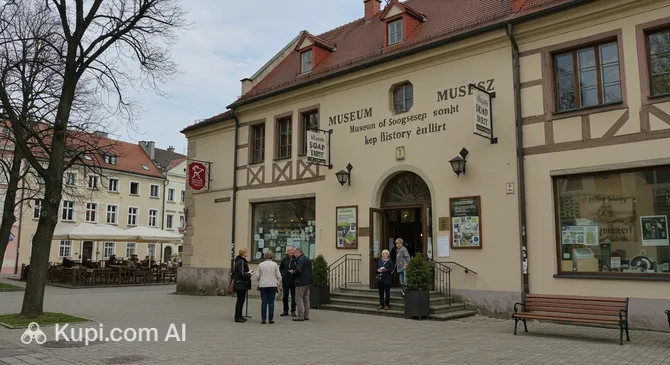
Museum of Soap and History of Dirt
Museum of Soap and History of Dirt. Иллюстрация. Источник: Kupi.com AI

The museum is located in a cozy historic building near the Brda River, which is symbolic since soapmaking traditions flourished and the first baths operated here since the 14th century. The exhibition includes fascinating artifacts: from medieval tubs and washcloths to Soviet-era laundry detergents. Visitors can see how soap recipes changed and what tools our ancestors used for washing and bathing in different eras in Poland.

This place is rightfully called the "museum of good mood." Here, the educational part is harmoniously combined with entertainment, as confirmed by high ratings and thousands of enthusiastic reviews from tourists. The museum is perfect for those who want to look at the history of daily life from an unusual perspective and spend time in an atmosphere of cleanliness and nostalgia.

Contacts

To clarify visit details or book workshops, you can use the museum's official contact information. We recommend checking availability for interactive classes in advance.

How to contactContact
AddressDługa 13/17, 85-034 Bydgoszcz, Poland
Phone+48 52 515 70 15
Websitemuzeummydla.pl

What to Do

The main adventure here begins not with looking at display cases, but with an interactive workshop. Each visitor is invited to feel like a real soap maker: you choose the color, fragrance, and decorative elements to create your own unique soap, which you will take home as a souvenir.

After the creative part, guests enjoy a tour accompanied by enthusiastic guides. You'll learn many funny and sometimes shocking facts about Europe's "smelly" history, see ancient baths, devices for getting rid of lice, and even quirky 19th-century washing machines. The museum's atmosphere allows you to literally touch the past, exploring a collection of ancient bathing tools and soap production technologies.

It's worth finishing your visit at the brand store, which features a huge range of handmade soaps of all possible shapes and scents. This is a great place to pick out original gifts for loved ones that smell of history and care. The museum's interactive format makes it equally interesting for curious children and adult lovers of unique experiences.

Getting There

Finding this fragrant corner of the city is quite simple, as it is located at Długa 13/17, in the very heart of the historical quarter. If you are already walking through the center, the walk from the Brda river embankment will only take a couple of minutes.

For those arriving in Bydgoszcz by train or intercity bus, the Bydgoszcz Główna central station will serve as a landmark. From there, you can reach the museum on foot in 10–15 minutes while enjoying the architecture of the old town. Additionally, this part of the city has an excellent public transport network — buses and trams will take you to stops within walking distance of Długa Street.

If you prefer comfort, a taxi from any point in the city center will take you to the museum's doors in a matter of minutes. The city is conveniently connected to other regions of Poland, being located about 280 km from Warsaw, which makes it an excellent destination for a weekend trip.

Ближайший город: Bydgoszcz

History & Facts

The history of this place is closely linked to the development of hygiene in Europe and the city's industrial past. As early as the 14th century, public baths with the very colorful name "Plugawy" (which can be translated as "dirty" or "filthy") operated on Mill Island in Bydgoszcz. In those days, people didn't just wash here, but received a full range of "services": from lice removal to bloodletting with leeches.

The Museum of Soap and the History of Dirt project itself is the realization of a dream by a married couple, Daria and Adam. Before opening the permanent exhibition in 2012, they traveled to schools with a mobile soap factory, raising funds and collecting unique exhibits for the future collection. Thanks to their passion, today Poland is home to the only museum of its kind in Europe.

In the museum's halls, you can trace how humanity's attitude toward cleanliness has changed: from ancient recipes made of mutton fat to the industrial production of famous brands like Persil. This place reminds us that the journey to the familiar modern soap took more than 5,000 years of trial, error, and amazing discoveries.

Time Needed

Usually, getting to know the exhibition and participating in the practical part takes from 1 to 1.5 hours. This is enough time to leisurely create your own souvenir and listen to the guide's fascinating story about the evolution of cleanliness.

If you plan to examine ancient household items in detail, take atmospheric photos in 19th-century interiors, and stop by the souvenir shop for artisan soap, it's better to allow about 2 hours. The museum is popular with families, so time flies by for both children and adults.

Working Hours

The museum is hospitably open to visitors daily, making it easy to include in your travel itinerary. The schedule is planned so that even on weekends you have enough time to explore:

  • Monday – Friday: 10:00 – 18:00
  • Saturday: 10:00 – 19:00
  • Sunday: 10:00 – 18:00
DayWorking hours
Понедельник10:00 – 18:00
Вторник10:00 – 18:00
Среда10:00 – 18:00
Четверг10:00 – 18:00
Пятница10:00 – 18:00
Суббота10:00 – 19:00
Воскресенье10:00 – 18:00

Nearby

Exploring the city center isn't limited to just one museum — other interesting locations await just a few steps away. A walk around the neighborhood will allow you to deeper experience the atmosphere of the ancient city and see its main symbols.

NameDistance
SEE YA0 km
Monument to Casimir the Great0.1 km
Luizjana Restaurant0.1 km
Rother's Mills0.2 km
Cybermachina0.2 km
Young Burger0.2 km
Mill Island0.2 km

Reached the end of the page?

That means the route is fully explored