Support

Wrocław Opera

About

The Wrocław Opera is not just a theater, but a true gem of cultural life in the city of Wrocław, located in Poland. This majestic classical building is one of the most important cultural centers not only in the city but in the entire country. A visit to this famous opera house promises not only an encounter with fine art but also immersion in an atmosphere of historical splendor.
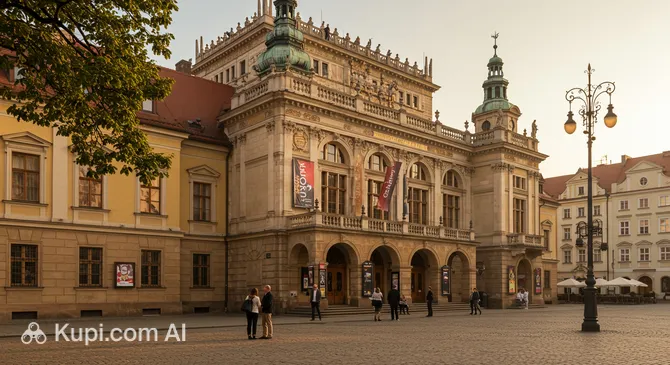
Wrocław Opera. Illustration.
Source: Kupi.com AI

Traveler photos:

The interior of the Wrocław Opera is striking in its richness and luxury. Just imagine: numerous crystal mirrors reflecting light and creating a whimsical play of glints, and about 10,000 square meters of gilded surfaces! All this creates a unique atmosphere of grandeur and solemnity, preparing the audience for the masterpieces of opera and ballet.

The surviving original 19th-century decorative elements are of particular value. Attentive visitors can spot portraits of famous composers, admire the elegance of the Imperial Box, and notice the unique historical scenery above the stage, which depicts the audience of that time. It is like looking into the past and feeling the spirit of the era when the theater was just beginning its glorious history.

Contacts

To find up-to-date information on the repertoire, ticket prices, and contact details for the Wrocław Opera, we recommend visiting the theater's official website. Details can also be obtained from Wrocław tourist information centers or by using the contact numbers listed on posters and in local directories.

How to contactContact
AddressŚwidnicka 35, 50-066 Wrocław, Poland
Phone number+48 71 370 88 80
Websitewww.opera.wroclaw.pl

What to Do

A visit to the Wrocław Opera is, above all, an opportunity to enjoy magnificent opera productions. The theater is famous for its rich repertoire, which includes both immortal classics and bold modern works. This makes every visit unique, offering something interesting for seasoned opera lovers and those who are just discovering this magical world of music and drama.

In addition to the performances themselves, the Wrocław Opera offers its guests true aesthetic pleasure through its architectural grandeur and luxurious interiors. Walking through the theater, you can appreciate the historical scenery, elegant interior details, and the overall atmosphere of solemnity. The building itself is a work of art, and exploring it can be a fascinating activity in its own right before the show or during the intermission.

The auditorium deserves special attention. After its reconstructions, it can accommodate a large number of spectators, allowing many to experience high art. The luxurious gilded decor and sparkling crystal mirrors mentioned earlier appear here in all their glory, immersing the audience in the unique atmosphere of a classical opera house. Every corner breathes history and art, inviting you to become part of this splendor and gain unforgettable impressions.

Getting There

The Wrocław Opera is conveniently located in the heart of Wrocław, on Świdnicka Street. Thanks to its central location, getting there is quite easy. If you are staying in the historic city center, a pleasant stroll to the opera house will be the perfect start to a cultural evening.

For those who prefer public transport, Wrocław offers an extensive network of bus and tram routes. Numerous stops are located just a few minutes' walk from the opera building, making it easily accessible from any part of the city. This is a convenient and cost-effective way to reach your destination, especially if you are unfamiliar with the city or wish to avoid parking issues.

Of course, you can always use taxis or popular ride-hailing services via mobile apps. This is particularly convenient if you value comfort, are traveling with luggage, or simply want to get to the theater as quickly as possible without transfers. A taxi ride from most central hotels takes very little time.

If you plan to drive to the Wrocław Opera, please note that while there are paid parking lots in the city center, the number of spaces can be limited. This is especially true in the evenings before performances begin. Therefore, it is recommended to arrive early or consider alternative transport methods to avoid extra hassle.

Nearest city: Wroclaw

History & Facts

The history of the Wrocław Opera is a fascinating journey through the centuries, beginning in the first half of the 17th century when city squares came alive with performances by wandering troupes. Permanent opera performances were established here between 1725 and 1734, largely due to tours by Italian ensembles. In 1727, the theater received official city status, and in 1755, a new building was erected. The end of the 18th century is considered a golden age for the theater: five operas by the great Mozart were staged here, and from 1795, it was proudly known as the Wrocław Royal Theater.

The modern opera building, which has become one of the symbols of Wrocław, was designed by the talented architect Carl Ferdinand Langhans and built between 1839 and 1841, originally named the City Opera. At its opening, the theater boasted a modern stage and a spacious auditorium designed for 1,600 art lovers. Unfortunately, fate was not always kind to this temple of Melpomene: the building was seriously damaged twice by fire—in 1865 and 1871. These tragic events led to large-scale reconstructions, during which the auditorium and proscenium were raised, a painting workshop pavilion was added, the main portico was expanded, exquisite decorative elements were added, and the roof was adorned with sandstone sculptures of the Muses.

The post-war period starting after 1945 brought new changes to the opera's appearance and history. For political reasons, busts of prominent German cultural figures—Beethoven, Goethe, Mozart, and Schiller—were removed from the facade, along with the statues of the Muses and other sculptures. During this time, the southern part of the building was expanded. Extensive modernization and refinement of the Wrocław Opera building, aimed at preserving its historical heritage and adapting it to modern theatrical requirements, began at the end of the 20th century. Thanks to these efforts, many authentic interior elements have been carefully preserved, allowing today's visitors to feel a connection across time.

Time Needed

To fully enjoy a visit to the Wrocław Opera, you should plan for approximately 3-4 hours. This time will allow you not only to watch the performance but also to immerse yourself in the atmosphere of this historic venue.

The bulk of your time, of course, will be dedicated to the performance itself. Opera productions typically last from two to three hours, depending on the specific work and the presence of intermissions. This time will fly by as you are drawn into the world of music and dramatic art.

The remaining hour or so is recommended for exploring the opera building itself. Before the performance or during the intermission, you will have a wonderful opportunity to view the majestic architecture, luxurious interiors, and historical decorative elements. This will allow you to feel the uniqueness of the Wrocław Opera even more deeply and make your visit truly memorable.

Working Hours

The Wrocław Opera, like most opera houses, operates according to its repertoire and performance schedule rather than fixed daily hours. Performances usually take place in the evening, but there may be matinees, especially on weekends or during festivals. To find the exact start time of the performance you are interested in, as well as the days the opera is open to visitors, it is highly recommended to check the official Wrocław Opera website. There you will find the most current schedule to plan your visit.

Tickets for Wrocław Opera productions are in high demand, so it is strongly recommended to book them in advance, especially if you plan to attend a popular show or visit during the peak tourist season. The opera season typically runs through most of the year, offering various productions, though there may be summer or technical breaks. Always check for current information on official resources before planning your trip.

DayOpening hours
MondayClosed
TuesdayClosed
Wednesday10:00 – 17:00
Thursday10:00 – 17:00
Friday10:00 – 17:00
Saturday10:00 – 17:00
Sunday12:00 – 17:00

Nearby

A visit to the Wrocław Opera is undoubtedly a highlight of any cultural itinerary. However, to make your trip to Wrocław even more fulfilling, we recommend exploring other interesting places nearby. Such a walk will allow you to dive deeper into the city's atmosphere and discover its many facets.

The close proximity of the Wrocław Opera to other significant sites makes it an excellent starting point for exploring the cultural and historical heritage of Wrocław. Just a few minutes' walk away, you will find many attractions that will harmoniously complement your experience of visiting the opera house. Here are some of them:

NameDistance
Pixel XL0.2 km
Three Broomsticks Pub0.3 km
Wroclaw Old Town Hall0.4 km
Museum of Bourgeois Art0.4 km
Konspira0.4 km
Wroclaw Market Square0.5 km
New Horizons Cinema0.5 km

Have you reached the end of the page?

So the route has been studied inside and out