Support

Wax Museum of Fátima

About

The Fátima Wax Museum (Museu de Cera de Fátima) is a unique cultural attraction in the city of Fátima, Portugal. Founded in 1984, it was one of the first museums of its kind in the country and is located very close to the world-famous Sanctuary of Our Lady of Fátima, which draws millions of pilgrims and tourists.
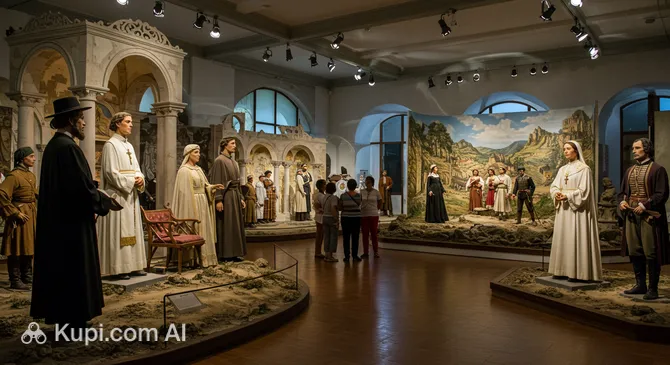
Wax Museum of Fátima. Illustration.
Source: Kupi.com AI

Traveler photos:

The museum's main feature is its impressive collection of 119 life-size wax figures arranged in 32 carefully recreated scenes. These compositions illustrate in detail the events of the spring of 1917, when, according to tradition, the Virgin Mary appeared to three local shepherd children—Lúcia, Jacinta, and Francisco. The exhibition allows visitors to immerse themselves in the atmosphere of that time and visualize the key moments of the apparitions.

The Fátima Wax Museum attracts not only pilgrims with a deep interest in the religious aspect of the events but also regular tourists wanting to learn more about the history and culture of this significant place. It serves not just as a repository of historical artifacts but fulfills an important educational and cultural mission, helping to preserve and promote Fátima's heritage while offering a unique perspective on the events that made this Portuguese city famous worldwide.

Contacts

If you are planning to visit the Fátima Wax Museum, it is recommended to consult local sources for up-to-date information on opening hours, ticket prices, and available tours.

Unfortunately, direct contact details such as a phone number or email are not always listed in general directories. The most accurate information can be obtained at tourist information centers in the city of Fátima or on official tourism websites of Portugal.

How to contactContact
AddressR. Jacinta Marto, 2495-450 Fátima, Portugal
Phone number+351 249 539 300
Websitewww.mucefa.pt

What to Do

Visiting the Fátima Wax Museum offers a unique opportunity to immerse yourself in the history of one of the most significant events for this Portuguese city. The highlight of the exhibition is the 32 meticulously recreated scenes with wax figures that illustrate the events of 1917 in detail. Museum guests can follow the chronology of the apparitions and gain a deeper understanding of their cultural and spiritual significance for Fátima and the world.

In addition to the main exhibition dedicated to the apparitions, the museum also introduces visitors to the history and traditions of the region. This provides a fuller picture of the context in which these events took place. The museum's location near the famous Sanctuary of Our Lady of Fátima is a great advantage, allowing visitors to easily combine cultural enrichment with a spiritual experience.

After viewing the wax figures and learning the historical facts, many visitors continue their journey through the sanctuary grounds. Here, you can see iconic structures such as the Basilica of Our Lady of the Rosary and the Chapel of the Apparitions. Thus, a visit to the Fátima Wax Museum becomes part of a broader pilgrimage or tourist route, particularly interesting for those fascinated by the history, culture, and spiritual aspects of Portugal.

Getting There

There are several ways to reach the Fátima Wax Museum, either by public transport or by car. Thanks to its location in central Portugal, Fátima enjoys excellent transport links with the country's major cities, such as Lisbon and Porto, making the museum easily accessible for visitors.

If you are traveling from Lisbon, a regular bus service to Fátima is a convenient option. You could also take a train to the nearest railway stations, from where you can reach the museum by local bus or taxi. A taxi ride directly from the center of Fátima to the museum is short and convenient.

For those who prefer to travel by car, Fátima is located right next to the main A1 motorway connecting Lisbon and Porto, ensuring a fast and comfortable journey. In Fátima itself, there are plenty of parking spaces available, including near major attractions like the Wax Museum and the famous Sanctuary, making a car trip even more convenient.

Nearest city: Fatima

History & Facts

The origins of the events commemorated at the Fátima Wax Museum date back to 1916. According to tradition, it was then that an angel appeared to three young shepherds from Fátima, a small village in Portugal—Lúcia, Jacinta, and Francisco. This foreshadowed even more significant apparitions that deeply affected the Catholic world and transformed Fátima into one of the most important pilgrimage centers.

The climax occurred in 1917. Starting on May 13, the Virgin Mary reportedly appeared to the children every month for five months. Each apparition drew larger crowds and strengthened the faith. As a direct result, the Chapel of the Apparitions (Capelinha das Aparições) was built in 1919 on the exact site where the meetings took place. To this day, the chapel remains the heart of the Sanctuary of Our Lady of Fátima.

This series of extraordinary events forms the core of the Wax Museum's exhibition. Through meticulously recreated scenes and figures, the museum aims to convey the atmosphere and significance of those days. By telling the story of the apparitions of the Angel of Peace and the Virgin Mary, the museum offers a deeper understanding of Fátima's unique heritage and its global reputation as a place of spiritual power and faith.

Time Needed

When planning your visit to the Fátima Wax Museum, you should allow 1-2 hours to explore the main exhibition. This is usually enough time to leisurely view all the figures and scenes depicting the story of the Fátima apparitions.

Of course, the duration of your visit will depend on your personal interest in the details and your desire to delve deeper into the history. If you decide to study every composition carefully and read all the information plaques, you might need a bit more time.

Many visitors combine a trip to the Wax Museum with a visit to the nearby Sanctuary of Our Lady of Fátima. If you plan to see both the museum and the sanctuary grounds with its architectural landmarks, it is best to set aside about 3-4 hours for a comprehensive tour of this iconic site in Fátima. This will allow you to enjoy the atmosphere and learn more about the history of these places without rushing.

Working Hours

When planning your visit to the Fátima Wax Museum, it is important to note that its opening hours may vary. Typically, such cultural institutions in Portugal are open from morning until evening, roughly from 9:00 or 10:00 AM to 6:00 PM. However, hours may be extended during the peak tourist season and shortened during the low season. Schedule changes are also possible on public holidays.

It is highly recommended to check the current opening hours on the Fátima Wax Museum's official website or by calling their contact numbers before your visit. You can also usually find information there regarding the need for advance ticket booking, which can be helpful if you are traveling during popular times. While many attractions are open year-round, checking for up-to-date information will help you avoid any unpleasant surprises and plan your visit in the best possible way.

9:30 – 18:00

Nearby

A visit to the Fátima Wax Museum is undoubtedly a memorable experience, but exploring the surroundings can significantly enrich your trip. Fátima and its immediate vicinity offer many interesting sites that provide new discoveries and a deeper immersion into the atmosphere of this unique region of Portugal.

By taking the time to explore nearby attractions, you can gain a more comprehensive understanding of Fátima's cultural and historical heritage. Many of these sites are within walking distance or just a short drive away, making them easily accessible for curious travelers.

NameDistance
O Benfiquista0.1 km
Basilica of the Most Holy Trinity0.3 km
Sanctuary of Our Lady of Fátima0.4 km
Chapel of the Apparitions0.4 km
Basilica of Our Lady of the Rosary of Fatima0.5 km
A Cave1.3 km
Hungarian Calvary (Valinhos)1.6 km

Have you reached the end of the page?

So the route has been studied inside and out