Support

Pozo de las Nieves

About

In the heart of the historic quarter for which Salamanca is so famous, lies a surprising place called Pozo de las Nieves. This unique museum, located in Spain, is dedicated to an unusual but vital technology of the past — the art of collecting and storing snow. In the pre-industrial era, these "snow wells" served as the predecessors to modern refrigerators.
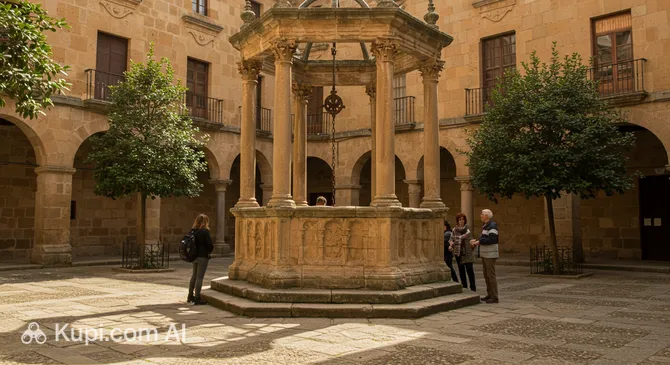
Pozo de las Nieves
Pozo de las Nieves. Иллюстрация. Источник: Kupi.com AI

The museum is a meticulously restored historical pozo de nieve — a deep engineering structure where snow was brought in winter from the nearby Sierra de Béjar mountains. Here, it was tightly packed and layered with straw to turn it into ice, which was then used during the hot summer for medical purposes, food preservation, and the preparation of refreshing drinks.

Located near the famous university, Pozo de las Nieves is part of the cultural heritage of the Castile and León region. Its high rating among travelers confirms that it is not just an archival site, but a living testament to daily life in past centuries, masterfully integrated into the architectural landscape of the ancient city.

Contacts

To plan your visit to Pozo de las Nieves, it's worth checking the current contact information in advance. Below are the key details to help you find your way and verify the site's current status.

How to contactContact
AddressP.º del Rector Esperabé, 85, 37008 Salamanca, Spain
Phone+34 923 21 83 42
Websitesalamanca.es

What to Do

A visit to the museum offers a true journey through time. Guests can explore an authentic reconstruction of a snow well, learning exactly how workers lowered snow into deep pits and preserved it under layers of stone and straw. You will see traditional tools used by the ice masters of the Salamanca region and learn about the logistics of that era.

Particular attention should be paid to the interactive elements and information panels that clearly explain the economic importance of ice for Castile. Architecture enthusiasts will appreciate the well's stonework and the ingenious drainage system that has survived to this day. It is an excellent spot for thoughtful photography, as the play of light and shadow in the depths of the well creates a unique atmosphere.

After touring the exhibits, a stroll along Paseo del Rector Esperabé is recommended. Its proximity to the university campus allows you to combine an educational excursion with a relaxing walk surrounded by historic buildings, enjoying the academic spirit and tranquility of this part of Salamanca.

Getting There

Finding Pozo de las Nieves is easy, as it is located within walking distance of Salamanca's main attractions. From the central Plaza Mayor, the walk takes just 10–15 minutes. Head towards the university through the picturesque streets of the old city to the address P.º del Rector Esperabé, 85.

If you prefer public transport, use bus lines 3, 4, or 7, which stop at Rector Esperabé — literally just a few steps from the entrance. A taxi ride from the Salamanca railway station (Renfe) will cost approximately 5–7 euros and take about 20 minutes, depending on city traffic.

For those arriving from Madrid, the most convenient option is the AVE train to Salamanca (taking about 1.5 hours), followed by a short taxi ride. During the warmer months, the walk to the museum is particularly pleasant when combined with a stroll along the banks of the Tormes River.

Ближайший город: Salamanca

History & Facts

The history of Pozo de las Nieves dates back to the medieval era, when snow wells began to be actively used in Salamanca and the surrounding Sierra de Francia. These structures became widespread during the Reconquista period, as the city began to develop rapidly as an important commercial and educational center of Castile.

During the Renaissance and Baroque eras, these "pozos" became an integral part of the city's economy. Snow collected in the mountains during winter was transformed into ice and sold for cooling drinks and food, and even for medical purposes to reduce fever in patients. The museum preserves unique artifacts from the 16th to 18th centuries, demonstrating the evolution from simple pits to complex engineering systems with drainage and thermal insulation.

Interestingly, the tradition of using natural ice only faded in the 19th century with the arrival of the first industrial refrigeration units. The architecture of the site itself, constructed from Salamanca's famous golden stone, emphasizes the museum's inseparable link with the overall historical heritage of the region, which is included in the UNESCO World Heritage list.

Time Needed

A full and thoughtful tour of the Pozo de las Nieves museum usually takes between 1 and 1.5 hours. This is enough time to examine the well's construction, read the information boards, and take photos of the unique architecture.

If you plan to visit the museum with a guided tour or have a particular interest in domestic history and ethnography, it is worth setting aside about 2 hours for the visit. Thanks to its location, the site easily fits into a walking route through the historical center without demanding too much of a traveler's time.

Working Hours

Currently, Pozo de las Nieves has the status of being temporarily closed (CLOSED_TEMPORARILY). When planning your visit, be sure to check the current operating schedule beforehand to avoid disappointment.

Visitors are advised to check for updated information on the museum's official website or clarify its status via the contact phone number. The schedule may change depending on the season, public holidays, or scheduled restoration work in the historical part of the city.

Nearby

The museum's location in the city's historical core offers travelers plenty of opportunities. Exploring the surroundings of Pozo de las Nieves will help you dive deeper into the atmosphere of the "Golden City" and see its most iconic monuments.

Just a few minutes' walk away, you'll find Plateresque masterpieces and majestic monasteries that make Salamanca a true open-air museum.

NameDistance
Convent of San Esteban0.2 km
Vinodiario0.3 km
Cave of Salamanca0.3 km
Calixto and Melibea Garden0.3 km
Casa Lis Art Nouveau and Art Deco Museum0.4 km
Museum of Automotive History0.4 km
Salamanca Cathedral0.4 km

Reached the end of the page?

That means the route is fully explored