Support

National Museum of Ancient Art

About

The National Museum of Ancient Art (Museu Nacional de Arte Antiga, MNAA) is one of the main cultural treasures of Lisbon and all of Portugal. As one of the most significant art museums in Europe, it offers visitors a unique opportunity to trace the development of art over several centuries. The museum holds a special place in the city's cultural life, attracting beauty lovers from all over the world.
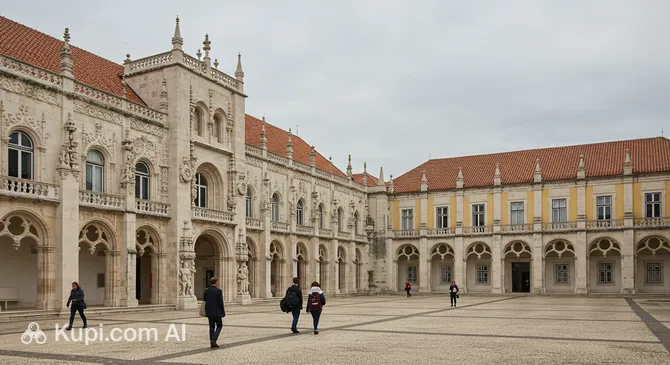
National Museum of Ancient Art. Illustration.
Source: Kupi.com AI

Traveler photos:

Housed in the historic Alvor-Pombal Palace, built in the 16th-17th centuries, the museum is an architectural landmark in its own right. Its halls house extensive and diverse collections that reflect the richness and versatility of Portuguese and European art.

The exhibition of the National Museum of Ancient Art covers the period from the 14th to the early 19th century. It features outstanding works of painting, sculpture, graphics, as well as exquisite examples of jewelry and decorative arts. Of particular interest are artifacts related to the Age of Discovery, which tell the story of Portugal's key role in world history.

A visit to this museum is a fascinating journey through time, allowing for a deeper understanding of Portugal's cultural heritage and the enjoyment of world-class masterpieces. It is a place that should definitely be included in your itinerary when exploring Lisbon, to touch the eternal beauty of art.

Contacts

To plan your visit to the National Museum of Ancient Art and get the most up-to-date information on opening hours, ticket prices, current exhibitions, or special events, you can use the contact information provided below. We always recommend checking the museum's official website before visiting, as details are subject to change.

How to contactContact
AddressR. das Janelas Verdes, 1249-017 Lisboa, Portugal
Phone number+351 21 391 2800
Websitewww.museudearteantiga.pt

What to Do

At the National Museum of Ancient Art, visitors will find an impressive collection of European and Portuguese art. You can see paintings by great masters such as Hieronymus Bosch, Raphael, Diego Velázquez, Albrecht Dürer, and Lucas Cranach. The unique Portuguese altarpieces are of particular interest, serving as the pride of the collection and reflecting the distinctiveness of local art. In addition to painting, the exhibition includes sculpture, graphics, and decorative art objects.

Of special interest are the Oriental artifacts, which testify to the rich history of Portugal's trade links with Asia and Africa. These exotic items, including ceramics, textiles, and ivory products, tell the story of the Age of Discovery. You can also admire unique jewelry and antique furniture in the museum, allowing you to immerse yourself in the atmosphere of past eras.

In addition to viewing the exhibits, visitors can enjoy a walk through the halls of the Alvor-Pombal Palace itself, where the museum is located. The grounds offer picturesque views of the Tagus River. For relaxation, there is a cozy museum café with a terrace where you can have a snack and share your impressions. The museum regularly hosts temporary exhibitions, expanding the horizons of knowledge, and also offers themed tours and educational programs for both adults and children, making the visit even more rich and informative.

Getting There

Getting to the National Museum of Ancient Art in Lisbon is quite simple, as it is conveniently located at Rua das Janelas Verdes, near the picturesque banks of the Tagus River. This makes it accessible for both those who prefer public transport and those traveling by car.

The most convenient way to reach the museum from central Lisbon is by public transport. Numerous buses and trams run in this direction. Look for routes serving the Janelas Verdes or Santos stops — they are in the immediate vicinity of the museum. Traveling by public transport also allows you to enjoy the city views along the way.

If you plan to travel by car, please note that there are parking spaces near the museum. However, keep in mind that during peak hours and busy tourist seasons, the number of available spaces may be limited. Therefore, to avoid parking difficulties, especially in the central part of the city, it is recommended to consider using public transport or a taxi.

Nearest city: Lisbon

History & Facts

The National Museum of Ancient Art in Lisbon has a rich history dating back to the late 19th century. It was officially founded on May 11, 1884, originally named the Museum of Fine Arts and Archaeology at the Royal Academy of Fine Arts. This date marks an important milestone in the preservation and presentation of Portugal's cultural heritage, laying the foundation for its future impressive collection.

Interestingly, the museum's exhibition originally covered all historical periods. However, over time, the focus shifted, and the museum began to concentrate on artworks dating from the 14th to the 19th centuries. Special emphasis was placed on Portuguese art, as well as objects closely related to the Age of Discovery — a period when Portugal played a key role on the world stage. This change allowed the museum to delve deeper into the unique aspects of the national artistic heritage.

The museum building itself — the former Alvor-Pombal Palace — is of historical value. The state purchased this majestic palace in the late 19th century specifically to house the museum's collections. A significant event in the museum's history was the expansion of its premises in 1940. A new wing was added to the main building, constructed on the site of the former St. Albert's Convent. This not only significantly increased the exhibition space but also allowed for a more comprehensive presentation of the museum's vast holdings to visitors.

Time Needed

When planning a visit to the National Museum of Ancient Art, you should expect to spend at least 2–3 hours for a proper introduction to its extensive collections. This time is generally sufficient to see the main exhibition halls and get a general idea of the masterpieces of Portuguese and European art on display.

However, if you are a great lover of art or history, or if you wish to study specific periods, particular masters, or the temporary exhibitions often held at the museum in more depth, then feel free to set aside more time. In that case, a detailed tour and immersion into the museum's atmosphere could take half a day. This will allow you to enjoy each exhibit without rushing and get the most out of your visit.

Working Hours

The National Museum of Ancient Art in Lisbon is generally open to visitors from Tuesday to Sunday. The standard opening hours of the museum are from 10:00 to 18:00. It is important to note that the museum is closed to visitors on Mondays. This is the main schedule to keep in mind when planning your visit.

The museum is open year-round, but it is highly recommended to check the current schedule on the official website of the National Museum of Ancient Art before visiting. This is especially important during holidays or special events, as opening hours may change. You can also check there if advance ticket booking or tour registration is required to ensure your visit is as comfortable as possible.

DayOpening hours
MondayClosed
Tuesday10:00 – 18:00
Wednesday10:00 – 18:00
Thursday10:00 – 18:00
Friday10:00 – 18:00
Saturday10:00 – 18:00
Sunday10:00 – 18:00

Nearby

Visiting the National Museum of Ancient Art is, without a doubt, an immersion into the rich artistic heritage of Portugal. However, your cultural journey through Lisbon doesn't have to end at its doors. Exploring the museum's surroundings can significantly enrich your experience of the city and lead to new discoveries.

The district where the museum is located, like many other corners of Lisbon, is full of interesting spots. Nearby, you'll find other cultural sites, charming streets, and authentic establishments. A short walk around the neighborhood will allow you to better feel the city's atmosphere and perhaps discover something unexpected and delightful.

NameDistance
Lapa Palace Hotel0.3 km
Museum of the Orient0.8 km
CINCO Lounge1.5 km
Carmo Archaeological Museum2 km
Ruby Rosa2.1 km
Commerce Square2.2 km
Arco da Rua Augusta2.2 km

Have you reached the end of the page?

So the route has been studied inside and out