Support

Lisbon Earthquake Memorial

About

The Lisbon Earthquake Memorial is an important and moving commemorative site in Lisbon, the capital of Portugal, dedicated to one of the most tragic events in the city's history. It serves as a reminder of the massive earthquake that, on November 1, 1755, almost completely destroyed the city and claimed tens of thousands of lives. This memorial is not just a tribute to those lost, but also a symbol of the resilience of the human spirit in the face of natural disaster.
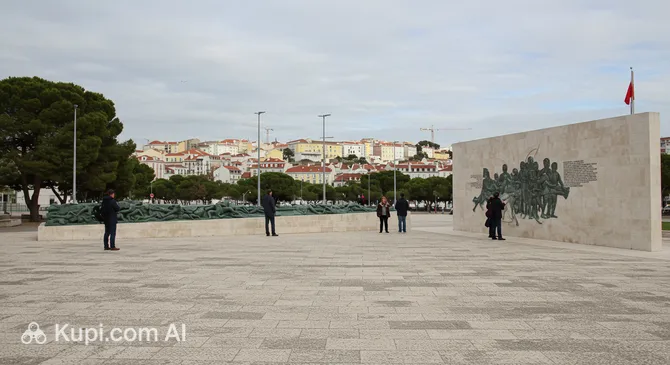
Lisbon Earthquake Memorial. Illustration.
Source: Kupi.com AI

Traveler photos:

The architectural design of the Lisbon Earthquake Memorial is deeply symbolic. Its composition often utilizes massive stone blocks and elements that evoke the destructive power of nature and the chaos that gripped the city. At the same time, the memorial's design reflects the subsequent rebirth of Lisbon, the heroic efforts of its residents, and the foresight of those who led the reconstruction.

Visiting this memorial allows for a deeper appreciation of Lisbon's history and an understanding of the scale of the catastrophe that largely shaped its modern appearance. It is a place not only of mourning but also of pride in the resilience of the citizens who managed to rebuild their capital. The memorial also pays tribute to key figures, such as the Marquis of Pombal, whose decisions and reconstruction plans laid the foundation for a new, more resilient city.

Contacts

As the Lisbon Earthquake Memorial is essentially a public monument, it may not have dedicated contact details such as a phone number or email address. To confirm its exact location and the best way to reach it, we recommend consulting official Lisbon tourism portals or tourist information centers within the city. Such memorials are often located in easily accessible public spaces and are open to visitors at any time.

How to contactContact
AddressR. Cais de Alfândega Velha 39, 1300-598 Lisboa, Portugal
Websitelisbonquake.com

What to Do

By visiting the Lisbon Earthquake Memorial, you can immerse yourself in the history of one of the most significant events in the life of Lisbon and all of Europe. Here, you can examine commemorative plaques and sculptural compositions that vividly reflect both the scale of destruction and the subsequent heroic restoration of the city. The memorial often serves as a starting point for excursions and educational programs dedicated not only to the history of Lisbon but also to the development of seismology as a science.

The deep architectural symbolism of the memorial particularly draws visitors' attention. You will see fractured stone blocks and themed bas-reliefs that masterfully convey the atmosphere of the tragedy while simultaneously evoking deep respect for the memory of the victims. These elements also serve as a reminder of the incredible resilience of the city's residents who managed to overcome the consequences of the disaster.

A walk through the memorial invites leisurely reflection on the fate of the city and its people. It is an ideal spot for taking commemorative photographs, capturing not only the architectural details but also the unique atmosphere of this historic corner of Lisbon. You can feel the connection between different eras and realize the journey the city has taken from destruction to its current prosperity.

Getting There

Reaching the Lisbon Earthquake Memorial is quite simple, as it is conveniently located in the central part of Lisbon, close to many popular tourist routes. The most convenient way is likely by public transport. Numerous bus and tram lines pass near the memorial, and there is a metro station nearby, making it easy to reach from various parts of the city.

If you prefer walking and are nearby—for example, near the famous Marquis of Pombal Square—you can reach the memorial in just 10–15 minutes while enjoying the atmosphere of Lisbon. For those traveling by car, city parking is available in the vicinity. Additionally, taxi and rideshare services are widely available in Lisbon, offering another comfortable option to reach this landmark.

Nearest city: Lisbon

History & Facts

The Lisbon Earthquake Memorial commemorates a truly catastrophic event that forever changed the face of Lisbon and influenced European thought. The Great Lisbon Earthquake, occurring on November 1, 1755, at 9:20 AM, became one of the most destructive and deadliest in European history. Within minutes, the disaster destroyed about 85% of the city's buildings, including royal palaces, priceless libraries, ancient churches, and the newly built opera house. The devastation was compounded by fires following the tremors and a powerful tsunami that struck coastal areas. Estimates suggest the tragedy claimed the lives of approximately 90,000 people.

Despite the scale of the catastrophe, the reconstruction of Lisbon began with remarkable energy and determination. The Marquis of Pombal, King Joseph I’s first minister, took charge of this complex process. He initiated the development and implementation of strict urban planning standards, including the construction of the world's first earthquake-resistant buildings. Thanks to his innovative ideas and iron will, the city was effectively rebuilt in just fifteen years. The new architectural style, known as "Pombaline," was characterized by clean lines, functionality, and elegance, transforming ruined Lisbon into one of the most modern European capitals of its time.

The Lisbon earthquake also had far-reaching intellectual consequences. The event shook the foundations of European Enlightenment optimism and forced many philosophers and scientists to rethink questions of theodicy, nature, and humanity's place in the universe. The tragedy also gave a powerful boost to the development of science, particularly seismology, as scientists began to systematically study the causes and mechanisms of earthquakes for the first time. Thus, the Lisbon Earthquake Memorial serves not only as a reminder of a terrible tragedy but also as a symbol of human resilience, rebirth, and the pursuit of knowledge.

Time Needed

When planning a visit to the Lisbon Earthquake Memorial, you should allow for 30 minutes to 1 hour. This amount of time is generally sufficient to quietly observe the memorial, soak in its atmosphere, and reflect on the tragic event in Lisbon's history to which it is dedicated. This will allow you to study the details of the monument without rushing.

During this period, you will be able to take a close look at the memorial itself, take commemorative photos, and read any information materials if they are available on-site. It is enough time not only to see the monument but also to spend a few minutes reflecting on its deep significance and the unbreakable spirit shown by the people of Lisbon following the devastating disaster of 1755.

Working Hours

The Lisbon Earthquake Memorial is generally a public open-air monument, which implies free access for visitors. Typically, such memorials are open for viewing year-round, and no prior booking or ticket purchase is required. This allows guests of Lisbon to honor the memory of the tragic events of 1755 at any time convenient for them.

Nevertheless, to obtain the most accurate and up-to-date information regarding potential temporary restrictions, special events, or specific visiting recommendations for the Lisbon Earthquake Memorial, we strongly advise checking official Lisbon tourism portals or local information centers. This is especially important if your visit is planned during major city festivals or other significant events that could affect access.

10:00 – 18:00

Nearby

Visiting the Lisbon Earthquake Memorial is undoubtedly a profound and memorable experience. However, to make your trip to Lisbon even more fulfilling, it is worth exploring other attractions nearby. Discovering the surrounding area will allow you to fully experience the multifaceted atmosphere of this historic district and uncover new points of interest, enriching your overall impression of your journey to Portugal.

Near the memorial, you will find both world-famous monuments and cozy corners, each telling the story of Lisbon in its own way. By planning a short route through nearby sites, you can optimize your time and get the most out of your walk through this amazing city. Below is a list of some interesting places located near the Lisbon Earthquake Memorial.

NameDistance
National Coach Museum0.1 km
Ajuda National Palace1.2 km
Belém Tower Garden1.7 km
Museum of the Orient2.4 km
Monsanto Forest Park3.1 km
Lapa Palace Hotel3.1 km
National Museum of Ancient Art3.2 km

Have you reached the end of the page?

So the route has been studied inside and out