Support

Calouste Gulbenkian Museum

About

The Calouste Gulbenkian Museum is one of the primary cultural gems of Lisbon and all of Portugal. This world-renowned art museum houses a unique collection spanning thousands of years of art history. It was opened in 1969 according to the will of the prominent philanthropist and collector Calouste Gulbenkian, who dedicated his life to gathering masterpieces from around the globe.

The museum's collection, numbering more than six thousand items, is striking in its diversity. It features exhibits representing the art of Ancient Egypt, Mesopotamia, Greece, and Rome, as well as exquisite works of art from the Near and Far East. It is a true journey through time and space, allowing visitors to see how human civilization has evolved through the lens of creativity.
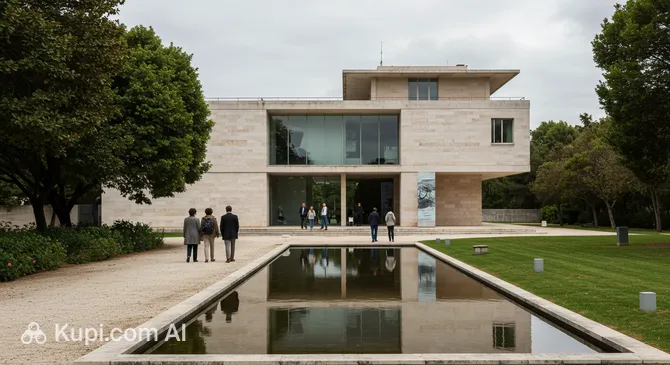
Calouste Gulbenkian Museum. Illustration.
Source: Kupi.com AI

Traveler photos:

A special place in the exhibition is reserved for works by Western European masters, covering the period from the 11th to the 20th century. Visitors can admire canvases by such great artists as Rembrandt, Rubens, Monet, and Degas. Furthermore, the museum showcases unique jewelry by René Lalique, medieval manuscripts, and decorative arts, making a visit here an essential item on the itinerary for all lovers of beauty.

Contacts

Important Note: The Calouste Gulbenkian Museum is temporarily closed for a major renovation starting in March 2025, with a planned reopening in July 2026. During this period, part of the collection may be available through temporary exhibitions. We recommend always checking the museum's official website for the latest information on reopening dates and visiting hours. To get in touch with representatives, you can use the contact details provided below.

How to contactContact
AddressAv. de Berna 45A, 1067-001 Lisboa, Portugal
Phone number+351 21 782 3000
Websitegulbenkian.pt

What to Do

Visiting the Calouste Gulbenkian Museum is a unique opportunity to see one of the greatest private collections in the world. A true immersion in art history awaits you here, as the exhibition spans thousands of years. You can see priceless paintings, elegant sculptures, ancient tapestries, and jewelry. Of particular note is the collection of Greek coins, considered one of the best in the world, as well as the painting collection, which includes works by masters such as Rembrandt, Rubens, Claude Monet, Van Dyck, and Jean-Honoré Fragonard.

In addition to viewing the permanent collection, visitors can enjoy other cultural activities. The museum regularly hosts temporary exhibitions, lectures, concerts, and educational programs, making every visit special. Don't miss the chance to walk through the picturesque park surrounding the building. This green oasis with its cozy paths and ponds is an integral part of the Calouste Gulbenkian Foundation cultural complex and a wonderful place to relax after exploring the artistic masterpieces.

Getting There

The Calouste Gulbenkian Museum is located in the central part of Lisbon at Avenida de Berna 45A. Thanks to its convenient location, it is easy to reach regardless of the mode of transport you choose.

The most convenient way to get to the museum is by metro. The nearest station, São Sebastião, is just a few minutes' walk away. It is served by both the Blue (Azul) and Red (Vermelha) lines, providing direct connections to key points in the city. Additionally, the museum can be reached by numerous city buses with stops located nearby.

If you prefer comfort, you can always use a taxi—the trip from the city center will be quick and affordable. For those traveling by car, parking is available near the museum. It is worth noting that the entrance to the museum is situated within a picturesque park, which itself is a wonderful place for a stroll and relaxation before or after your visit to the gallery.

Nearest city: Lisbon

History & Facts

The history of the Calouste Gulbenkian Museum is inextricably linked to its founder—the prominent financier and passionate collector Calouste Gulbenkian. Throughout his life, he collected works of art from all over the world with great enthusiasm, building a collection that is striking in its diversity and quality. An interesting fact: in the early 1930s, he acquired several priceless masterpieces during the famous sales from the State Hermitage Museum collection, which is why museum visitors today can see canvases by Rubens and Rembrandt.

Following the philanthropist's death in 1955, his will established a special foundation in Lisbon. The museum was built using the foundation's funds and officially opened in 1969. The primary goal was to bring together all the scattered parts of Gulbenkian’s vast collection, which had been kept in different cities, into one place and make them accessible to the public. Thus, one of the world's largest private collections was born and gifted to Portugal.

The museum building itself is a work of art. Designed by Portuguese architects R. Atouguia, P. Cid, and A. Pessoa, it is a brilliant example of 1960s modernist architecture. The complex is harmoniously integrated into the landscape of a large and scenic park, which has become an integral part of the cultural space. Since its opening, the museum has become one of Lisbon's most important cultural centers and one of Portugal's most visited art museums, attracting art lovers from all over the world.

Time Needed

When planning a visit to the Calouste Gulbenkian Museum, you should allow 2–3 hours for a full exploration of its rich collection. This time is generally sufficient to unhurriedly visit the main halls, which showcase masterpieces from antiquity to the early 20th century, and gain a general impression of the collection's scale.

If you are an art or history enthusiast, you may need more time. To study specific exhibits in detail—whether they are Ancient Egyptian artifacts, paintings by Rembrandt, or the unique jewelry of René Lalique—feel free to set aside half a day. You should also factor in time to visit the temporary exhibitions regularly held at the museum and for a leisurely stroll through the beautiful park surrounding the building. By combining all of this, you can easily spend most of the day here.

Working Hours

The standard operating hours for the Calouste Gulbenkian Museum are daily, except Tuesdays, from 10:00 AM to 6:00 PM. Last entry is usually permitted 30 minutes before closing. However, it is important to know that the main museum collection is temporarily closed for a major reconstruction from March 2025 until July 2026. Until full operations resume, it is highly recommended to check the official website for the latest information on available exhibitions and visiting hours.

During normal times, the schedule may change on public holidays, so this information should also be confirmed in advance. Once the museum reopens, to avoid queues and guarantee entry—especially for temporary exhibitions—it makes sense to book tickets online through the museum's official portal. This will allow you to plan your visit with maximum comfort.

Nearby

A visit to the Calouste Gulbenkian Museum is an immersion into the world of art, but your introduction to Lisbon will not be complete without exploring its surroundings. A walk through the neighborhood adjacent to the museum will allow you to discover other interesting corners of the city and better understand its multi-faceted character. Just a few minutes' walk or a short ride away, you will find parks, squares, and other landmarks that will make your day even more fulfilling.

To help you plan your route, we have prepared a list of notable places located nearby. They will perfectly complement your cultural getaway and allow you to see more than just the museum galleries.

NameDistance
Hello Park2.2 km
Lisbon Resort2.3 km
CINCO Lounge2.6 km
A Ginjinha2.9 km
Carmo Archaeological Museum3.1 km
Ruby Rosa3.2 km
Afonso's Bifanas3.3 km

Have you reached the end of the page?

So the route has been studied inside and out