Support

Porta dos Cavaleiros

About

Imagine a massive stone structure that for centuries served as the main entrance to the fortified heart of the city. The Porta dos Cavaleiros (Knights' Gate) is one of two surviving fragments of the once-mighty 15th-century defensive wall that surrounded ancient Viseu. This majestic historical site is a striking example of medieval military architecture in Portugal.
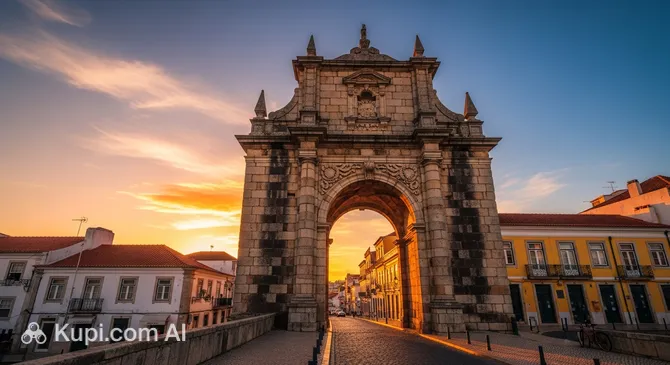
Gate of the Knights
Gate of the Knights. Иллюстрация. Источник: Kupi.com AI

Today, the gate is an important cultural monument that is wonderfully integrated into the modern urban environment. It serves as a reminder of the times when the city was a key strategic hub at a crossroads of major routes. Walking beneath its arches, you feel as though you are crossing an invisible border between the past and the present, entering the labyrinth of cozy streets in the historical center.

The site is highly valued by travelers for its authenticity and excellent state of preservation. It is a must-visit for anyone interested in the history of fortifications and those wishing to see what an important diocesan center of Portugal looked like centuries ago.

Contacts

For your convenience, we have collected the current contact details for this historical site. The gate is located in a public part of the city, so no special entrance ticket is required for an external viewing.

How to contactContact
AddressR. Arco 3, 3500-048 Viseu, Португалия

What to Do

Upon arriving at the Porta dos Cavaleiros, the first thing to do is appreciate the scale and massiveness of the medieval stonework. This place is a true paradise for historical photography enthusiasts: here, you can capture how the ancient stone stands in striking contrast with modern buildings. Be sure to notice the architectural details of the arches and the surviving elements of the fortifications.

A walk in this area usually flows naturally into an exploration of the entire historical center. You can walk along the surviving fragments of the city wall, heading towards the majestic Cathedral. Not far from the gate, you will also find the Cava de Viriato and the picturesque Fontelo Park, where you can relax after sightseeing.

Art lovers should complement their visit with a trip to the Grão Vasco Museum, located nearby. It features works by the famous sculptor Vasco Fernandes, which are considered the pinnacle of 16th-century local art. Walking through the gate will be an excellent part of your walking route through the city's most significant and beautiful buildings.

Getting There

This historical monument is located in the heart of the old town at R. Arco 3. The most convenient way to reach it is a leisurely walk from the Cathedral or the city's central square. The route passes through picturesque ancient streets where every house is steeped in history.

Viseu itself is a major transport hub in central Portugal. It is easily accessible by bus from Lisbon (about a 3-hour journey) or from Porto (just 2 hours away). From the city's bus station, the gate is a 10–15 minute walk.

If you prefer comfort, you can use a local taxi, which will take you as close as possible to the pedestrian zone of the historical center. For those traveling by car, there are paid parking lots near the center, from which the attraction is only a few hundred meters away.

Ближайший город: Viseu

History & Facts

The construction of the city's defensive system, of which these gates are a part, began under King John I in the late 14th century. The project was driven by an urgent need to protect the city following devastating raids by Castilian forces. This large-scale project was only completed in 1472 during the reign of the king's grandson, Afonso V.

Originally, medieval Viseu was encircled by a powerful wall with seven gates, but only two have survived in their original form to this day: the Porta dos Cavaleiros and the Porta do Soar. Interestingly, the city has held a strategic position since Roman times, and in the 6th century, it became an important religious center of the Kingdom of the Suebi.

During the Reconquista, the city was a subject of constant dispute between Christians and Moors. It was finally secured as part of Christian lands in 1058 by King Ferdinand the Great. Today, these gates serve as a living reminder of those turbulent times when massive walls were the only guarantee of the citizens' safety.

Time Needed

You won't need much time to get to know this architectural monument. An average tourist needs about 30–60 minutes to carefully examine the stonework, take some high-quality photos, and soak in the atmosphere of the ancient fortifications.

If you decide to combine your visit to the gate with a walk through the adjacent historical quarter and a visit to nearby museums, it is worth setting aside about 1.5–2 hours for the area. This will allow you to enjoy the authentic look of the city and explore the surviving fragments of the fortress wall without rushing.

Working Hours

Since the Porta dos Cavaleiros is part of the public city architecture and located outdoors, it is open to visitors 24 hours a day. You can examine it at any time that is convenient for you, whether it is early morning or late evening.

The monument looks particularly impressive in the evening hours when the city's illumination comes on, highlighting the rugged beauty of the ancient stone. However, if you plan to visit the museums located nearby, we recommend checking their operating schedules on their official websites in advance.

Круглосуточно

Nearby

Exploring the surroundings of the old walls will allow you to dive deeper into the atmosphere of the Portuguese Middle Ages. Just a few steps from the gate, you will find cozy squares and monuments to prominent historical figures.

NameDistance
Grão Vasco National Museum0.3 km
Viseu Cathedral0.3 km
Irish Bar0.4 km
Obviamente0.4 km
Forum Viseu0.5 km
Viriato Monument0.5 km
Mothers' Garden0.6 km

Reached the end of the page?

That means the route is fully explored