Support

Carmo Archaeological Museum

About

The Carmo Archaeological Museum (Museu Arqueológico do Carmo) is one of the most atmospheric and memorable places in Lisbon. Its uniqueness lies in the fact that it is located right under the open sky, within the ruins of the Gothic church of the Carmelite Monastery, which was destroyed during the catastrophic Lisbon earthquake of 1755. This is a place where the history of Portugal is literally frozen in stone, creating a unique sense of traveling back in time.
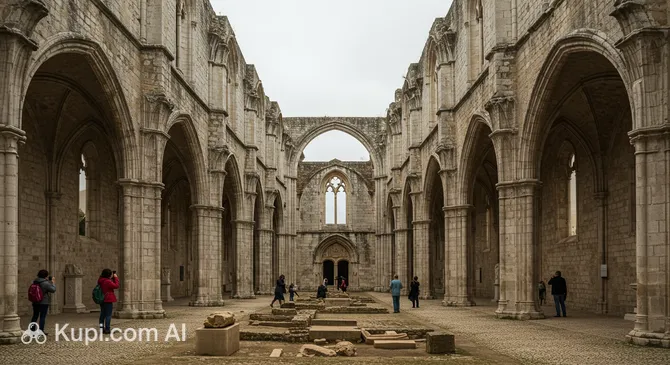
Carmo Archaeological Museum. Illustration.
Source: Kupi.com AI

Traveler photos:

The museum was founded in 1864 and became the country's first institution dedicated to archaeology and art. Its exhibition is housed in the part of the church where the roof survived or was restored, creating an impressive contrast between the preserved naves and arches reaching toward the sky. The decision not to fully restore the church turned the ruins into a monument to the Great Earthquake.

Today, the museum's collection includes many exhibits telling the story of the country from prehistoric times to the Middle Ages. Among the most valuable items are unique architectural fragments found during excavations, as well as an impressive collection of medieval tombstones and heraldic symbols. A visit to the Carmo Museum is not just an inspection of artifacts, but a true immersion into Lisbon's dramatic and rich past.

Contacts

To plan your visit, check current ticket prices, or confirm opening hours, you can contact the Carmo Archaeological Museum directly. All the necessary contact information is provided in the table below.

How to contactContact
AddressLargo do Carmo, 1200-092 Lisboa, Portugal
Phone number+351 21 346 0473
Websitemuseuarqueologicodocarmo.pt

What to Do

A visit to the Carmo Archaeological Museum is an opportunity not only to see valuable artifacts but also to experience the unique atmosphere of the site itself. The museum's main collection covers a vast historical period, from the Paleolithic and Neolithic eras to the Middle Ages. Among the exhibits, you will find the Gothic tomb of King Ferdinand Sanches, Romanesque and Visigothic artifacts, and two remarkable Peruvian mummies that draw special attention from visitors.

For many, the highlight of the visit is the walk through the ruins themselves. You will find yourself inside a roofless Gothic church—destroyed by the 1755 earthquake. Walking under the high pointed arches that reach into the sky allows you to feel both the grandeur of medieval architecture and the tragedy of Lisbon's history. This is a truly memorable experience that distinguishes Carmo from most traditional museums.

In addition to exploring the exhibition, you can simply relax here. At the base of the church, there is a terraced lawn and a café where it is pleasant to take a break. In the summer, open-air concerts are sometimes held within these impressive surroundings. To see a full panorama of the monastery from above, it's worth heading up to the observation deck of the nearby Santa Justa Lift, which offers one of the best views of the ruins.

Getting There

The Carmo Archaeological Museum is located in the very heart of Lisbon, on a picturesque hill separating two famous districts — Baixa and Chiado. This location makes it easily accessible for those exploring the historic part of the city on foot. A walk to the museum is a small adventure through ancient streets, though keep in mind it involves an uphill climb.

One of the most convenient and impressive ways to reach the museum is by taking the famous Santa Justa Lift. This historic elevator, built in the early 20th century, not only takes you from the lower Baixa district directly to Largo do Carmo square where the museum is located but also offers an unforgettable experience. Taking the lift allows you to avoid the steep climb, and the observation deck provides a magnificent panoramic view of the monastery ruins and the city.

Additionally, the museum is easily reached by public transport. The nearest metro station is Baixa-Chiado (served by the Blue and Green lines), just a few minutes' leisurely walk from the museum entrance. The legendary Tram 28 also stops in the Chiado district, with a route that passes through Lisbon's most beautiful spots. Of course, for maximum convenience, you can always use taxis or ride-sharing apps.

Nearest city: Lisbon

History & Facts

The history of the Carmo Archaeological Museum is inextricably linked with key events in the history of Portugal. Its foundation is a story of triumph and faith. The monastery was founded in 1389 by order of Nuno Álvares Pereira, a national hero and commander-in-chief of King John I's army. It was his gift of gratitude for the victory at the Battle of Aljubarrota, which secured the independence of the Kingdom of Portugal. Interestingly, after completing his military career, Nuno Álvares himself took monastic vows in this very monastery in 1423 and became known as Friar Nuno de Santa Maria. In 1918, he was beatified, and in 2009, he was canonized as a saint, adding a special spiritual significance to this place.

The monastery's majestic church, dedicated to Our Lady of Mount Carmel, was designed by architect Gomes Martins and was once considered one of the most impressive Gothic temples in Lisbon. The site was not chosen by chance. Nuno Álvares Pereira insisted on building the monastery on this specific hill because it reminded him of Mount Carmel in Palestine — the birthplace of the Carmelite Order, from which the name originates. Its location opposite Castle Hill, where the royal palace was situated, only emphasized the high status of the monastery.

The monastery's fate changed dramatically on November 1, 1755. The catastrophic Lisbon earthquake and the subsequent fire almost completely destroyed the grand building, leaving behind only its Gothic skeleton. Instead of full restoration, it was decided to preserve the ruins as a memorial to the tragedy. Nearly a hundred years later, in 1864, the Association of Portuguese Archaeologists founded the Carmo Archaeological Museum on this site — the first archaeological museum in the country. Thus, the ruins, once a symbol of nature's destructive power, found a new life as a guardian of centuries-old history.

Time Needed

When planning a visit to the Carmo Archaeological Museum, you should allow for 1-2 hours. This is enough time for most visitors to leisurely explore the main open-air church ruins, study the exhibits in the indoor part of the museum, and soak in the unique atmosphere of the place. During this time, you will have the chance to photograph the famous Gothic arches against the sky and view key artifacts, including medieval tombs and prehistoric finds.

If you are short on time, 30-40 minutes might be enough for a quick walkthrough to get a general impression of the majestic ruins. However, to more thoughtfully explore the collection—which includes sarcophagi, Peruvian mummies, and other historical items—it's better to set aside at least an hour and a half. It is also worth noting that the museum features a multimedia presentation about the monastery's history, which adds about 15 minutes to your visit. Ultimately, the optimal time depends on your interest in archaeology and the history of Portugal.

Working Hours

The Carmo Archaeological Museum is open to visitors year-round, though opening hours vary by season. During the summer period, from May to October, the museum is open from Monday to Saturday, 10:00 AM to 7:00 PM. In the winter months, from November to April, the hours are shorter, and the museum can be visited from 10:00 AM to 6:00 PM, also from Monday to Saturday. It is important to note that the museum is closed on Sundays, as well as on public holidays such as January 1, May 1, and December 25.

Generally, advance ticket booking is not required for the Carmo Museum, and they can be purchased directly at the entrance desk. However, to avoid misunderstandings and queues, especially during the peak tourist season, it is always useful to check for the latest information. Before your visit, it is recommended to check the museum's official website to confirm opening hours, ticket prices, and any potential schedule changes due to special events.

DayOpening hours
Monday10:00 – 19:00
Tuesday10:00 – 19:00
Wednesday10:00 – 19:00
Thursday10:00 – 19:00
Friday10:00 – 19:00
Saturday10:00 – 19:00
SundayClosed

Nearby

A visit to the Carmo Archaeological Museum is an immersion into the history of Lisbon, but getting to know the city would be incomplete without exploring its surroundings. The museum's location in the heart of the historic center makes it an ideal starting point for further discoveries. Walking through the neighboring streets, you can feel the unique atmosphere of the Portuguese capital, where the grandeur of the past harmoniously blends with dynamic modern life.

Many iconic sites are within walking distance of the Carmo ruins: from cozy bars and restaurants to grand squares and observation decks. Exploring these attractions will allow you to form a more complete impression of Lisbon and enrich your travel experience. Below is a list of interesting spots located nearby.

NameDistance
Ruby Rosa0.2 km
A Ginjinha0.3 km
Afonso's Bifanas0.4 km
Arco da Rua Augusta0.5 km
Commerce Square0.6 km
Cais das Colunas0.7 km
Lisboa Tu e Eu 20.7 km

Have you reached the end of the page?

So the route has been studied inside and out