Support

Moinho do Papel de Leiria

About

On the picturesque banks of the Lis River, in the cozy city of Leiria, lies a unique monument of industrial heritage — the Leiria Paper Mill (Moinho do Papel). Built as far back as 1411, it was one of the first paper mills on the Iberian Peninsula and the very first in a country like Portugal to use water power for production.
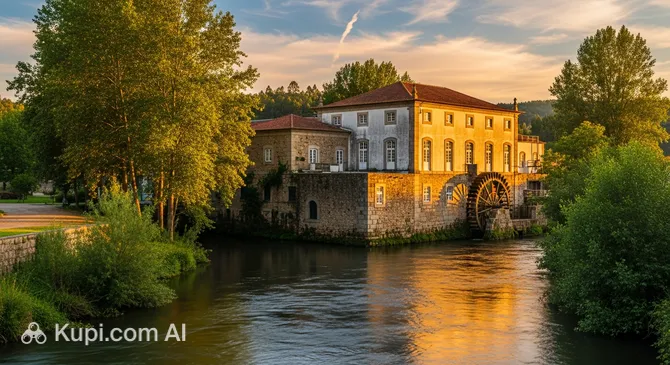
Leiria Paper Mill
Leiria Paper Mill. Иллюстрация. Источник: Kupi.com AI

In its time, this site was a vital industrial hub for the city. In addition to producing high-quality paper, it also ground grain and operated olive oil presses. Today, the mill has been transformed into a modern interactive museum, which took on a new look in 2009 thanks to a project by the famous architect Álvaro Siza Vieira. The restoration allowed the authentic water wheels and mechanisms to be preserved in working order.

Visitors are drawn to the chance to see traditional crafts in action. Inside the museum, you can learn about the processes of milling flour from various grains, see how sheets of paper are born, and appreciate the power of historical hydraulic systems. This place is ideal for those who value the history of technology and want to see how industry evolved hundreds of years ago.

Contacts

For more details about visiting or organizing group tours, you can use the museum's official contact information.

How to contactContact
AddressR. da Fábrica do Papel 13, 2410-127 Leiria, Португалия
Phone+351 244 839 672
Websitewww.facebook.com

What to Do

A visit to this site turns into a fascinating journey through time, where everyone can experience traditional technologies first-hand. One of the main highlights of the museum is the opportunity to see the massive water wheels in action, brought to life by the current of the Lis River. You can observe in detail how hydraulic energy powers the ancient millstones and presses.

For those who love interactive experiences, there are live demonstrations of handmade paper production from pulp. You will see all the stages: from preparing the raw materials to the finished sheet. Equally interesting is the grain milling section, where corn or wheat is transformed into flour before your eyes. Perhaps the most pleasant moment is the opportunity to purchase freshly ground flour right on-site to take a piece of history home and bake your own bread or pancakes.

It is also worth checking out the area dedicated to olive oil production and exploring the exhibit on Leiria's first printing houses. The museum follows a hands-on format, making it very popular with families with children. Open access to many rooms allows you to study the details of the mechanisms from different angles, making the tour truly educational.

Getting There

The historic Leiria Paper Mill building is located on the left bank of the Lis River, in a quiet and picturesque corner of the city. Finding it is easy: the site is located at Rua da Fábrica do Papel 13, very close to the Ponte dos Caniçus bridge and the new Museum of Leiria.

If you are already in the city center, a pleasant walk from the famous Leiria Castle will take about 20–30 minutes. The path leads through charming streets, which is a great addition to the excursion itself. For those who prefer comfort, taxis or ride-sharing services are always available to take you to the museum doors in minutes.

Travelers with their own cars will find it convenient to use the parking located near the mill. If you are arriving by public transport, head for the central bus stops, from where the riverbank is within walking distance. It is recommended to use navigation apps to enjoy the route through the green zone along the riverbed.

Ближайший город: Leiria

History & Facts

The history of this remarkable place began in 1411. At that time, the factory became one of the first industrial installations in the region and one of the oldest paper mills on the entire Iberian Peninsula. Its role in the city's development was immense: not only was paper produced here, but it also ground flour from wheat, rye, and corn, and pressed olive oil.

In 1439, a landmark event occurred: the mill became the first in Portugal to use the hydraulic energy of the Lis River on a large industrial scale. This technological innovation enabled the mass production of paper from pulp. The significance of this fact cannot be overstated, as local paper served as the foundation for the development of printing — the first book in the country was printed right here in Leiria.

Over the centuries, the building fulfilled its vital functions until it found a second life in 2009. A large-scale renovation was carried out according to the project of the outstanding architect Álvaro Siza Vieira. He managed to harmoniously combine modern architectural solutions with authentic elements, preserving the spirit of the ancient industrial enterprise for future generations.

Today, this museum complex is considered a benchmark for the preservation of industrial heritage. Visitors can see more than just preserved exhibits; they see living history, where mechanisms continue to demonstrate the power of water and human ingenuity centuries later.

Time Needed

A detailed tour of the exhibits and the museum grounds usually takes between 1 and 2 hours. This is plenty of time to leisurely inspect all the mechanisms, watch the demonstration of the water wheels, and take a stroll along the riverbank.

If you plan to participate in interactive paper-making workshops or want to talk to the staff about the intricacies of milling flour, allow about an hour and a half for your visit. Also, leave some time for photos by the massive external wheels and to buy unique souvenirs that will serve as a great reminder of your trip.

Working Hours

The museum welcomes visitors on weekdays and Saturdays. From Monday to Friday, the doors are open from 09:30 to 12:00 and, after a break, from 14:30 to 17:00. On Saturdays, the schedule is slightly different: the complex is open in the afternoon, from 14:00 to 17:30. The museum is closed on Sundays.

Before planning your trip, it is recommended to check the official website or call to confirm, as the schedule may change during public holidays.

DayWorking hours
понедельник09:30–12:00, 14:30–17:00
вторник09:30–12:00, 14:30–17:00
среда09:30–12:00, 14:30–17:00
четверг09:30–12:00, 14:30–17:00
пятница09:30–12:00, 14:30–17:00
суббота14:00–17:30
воскресеньеЗакрыто

Nearby

After discovering the city's industrial history, it is worth spending time at other interesting sites located within walking distance. A stroll through the surroundings will allow you to feel the deeper atmosphere of this ancient Portuguese region.

NameDistance
Leiria Museum0.2 km
Church and Convent of Saint Augustine0.2 km
Luminous Fountain0.6 km
Sant'Ana Market0.6 km
Luís de Camões Garden0.7 km
Leiria Cathedral0.8 km
Atlas Restaurant & Bar0.9 km

Reached the end of the page?

That means the route is fully explored