Support

Ferma Animalelor

About

The "Animal Farm" in Bucharest, officially known as the Dimitrie Gusti National Village Museum (Muzeul Național al Satului "Dimitrie Gusti"), is a remarkable open-air museum. It is not just a zoo in the conventional sense, but a unique ethnographic complex where more than 270 authentic peasant farms and houses from all over Romania have been brought together on an expansive site. A visit to this place is an opportunity to touch the history and culture of the country and see how Romanian peasants lived many years ago.
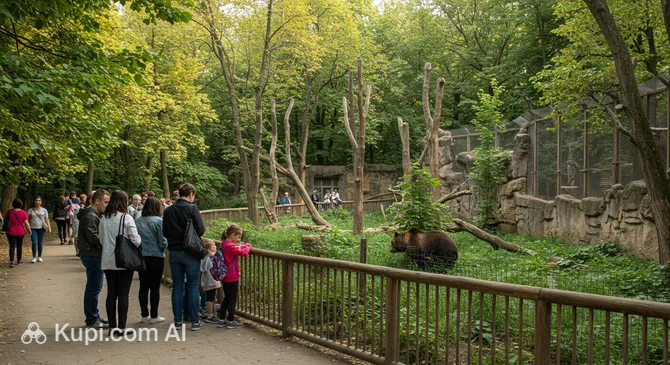
Ferma Animalelor. Illustration.
Source: Kupi.com AI

Traveler photos:

Every building in the museum is an authentic example of folk architecture. The exhibits were carefully dismantled at their original locations in various regions of the country, transported to the capital, and reassembled with great love and attention to detail. This approach has preserved the authenticity of Romanian rural architecture and life, conveying the atmosphere of the past.

On the museum grounds, visitors can not only explore traditional Romanian dwellings, which vary by region, but also encounter farm animals that were historically an integral part of village life in Romania. A stroll through the "Animal Farm" creates a sense of total immersion into the traditional way of life of Romanian peasants and leaves an unforgettable impression on guests of all ages.

Contacts

For the most up-to-date information on opening hours, ticket prices, and how to contact the Animal Farm (Dimitrie Gusti National Village Museum), we recommend visiting the museum's official website or contacting tourist information centers in Bucharest. There, you can find accurate contact details and plan your visit in the best possible way.

How to contactContact
AddressStrada Sfântul Gheorghe 20, Pantelimon 077145, Romania
Phone number+40 735 309 175
Websitewww.fermaanimalelor.ro

What to Do

Visitors to the "Animal Farm" can fully immerse themselves in the traditional rural life of Romania. Here, you can examine the architecture and layout of peasant houses brought from different regions of the country in detail. Inside each house, an authentic setting awaits: antique furniture, household items, tools, and other artifacts that tell the story of the daily life of Romanian peasants in past centuries.

Of particular interest to many is the chance to see the farm animals traditionally kept on Romanian farms. You can observe sheep, which played a vital role in Romania's agriculture, and other animals. Furthermore, you can learn about the modern realities of livestock farming in the country, including current issues such as protecting flocks from wild predators, which adds an educational aspect to the visit.

In addition to exploring the exhibits, the "Animal Farm" often serves as a venue for various cultural events. Guests can witness traditional craft demonstrations, learn about folk customs, and enjoy performances by folklore groups. This is a wonderful opportunity to gain a deeper understanding of the culture and traditions of the Romanian people, making the visit not only interesting but truly memorable.

Getting There

Getting to the Animal Farm (Dimitrie Gusti National Village Museum) in Bucharest is quite simple, as it is located in the northern part of the city, near the picturesque Herăstrău Lake. There are several convenient ways to reach this unique open-air museum, depending on your preferences and starting point in the capital of Romania.

One of the most popular and economical options is public transport. You can use the Bucharest Metro: the nearest station is Aviatorilor (Line M2). From the metro exit to the museum entrance, it is a pleasant 10-15 minute walk. Additionally, several bus routes stop near the museum, which can also be a convenient option, especially if you are in an area with a direct bus connection.

If you value comfort and speed, you can always use a taxi or popular ride-hailing apps such as Uber or Bolt. This is a particularly convenient way if you are traveling with children, luggage, or simply want to reach the Animal Farm without transfers from anywhere in Bucharest. The cost of the trip will depend on the distance and current rates, but it is undoubtedly a fast and direct way to begin your encounter with Romanian culture.

Nearest city: Bucharest

History & Facts

The history of the "Animal Farm", officially known as the Dimitrie Gusti National Village Museum, dates back to 1936. It was established by the prominent Romanian sociologist Dimitrie Gusti, whose name the museum proudly bears today. It was one of the world's first open-air ethnographic museums, conceived with the noble goal of preserving unique traditional rural architecture and the authentic way of life of the Romanian village for future generations, which were rapidly disappearing under the pressure of the country's modernization.

The museum played a truly invaluable role during the difficult period of Nicolae Ceaușescu's rule. At that time, an ambitious urbanization plan for Bucharest involved the mass demolition of historical buildings and traditional houses to make way for grandiose new developments and wide avenues. Many residents were forced to leave their ancestral homes and move into characterless high-rises, leading to the inevitable loss of centuries-old traditions and a familiar way of life.

During these years, the Dimitrie Gusti National Village Museum became a true sanctuary for vanishing heritage. Authentic peasant houses and structures from all corners of Romania were carefully transported and restored here on the grounds of the "Animal Farm". Thanks to this Herculean effort, the museum transformed into a priceless storehouse of folk culture, saving the unique world of the Romanian village from oblivion and preserving it to this day.

Time Needed

To fully enjoy the atmosphere of the "Animal Farm" (Dimitrie Gusti National Village Museum) and explore its rich exhibits without rushing, we recommend setting aside 2 to 4 hours. This is usually enough time to stroll through the extensive grounds, peek into various traditional Romanian houses and outbuildings, examine household items, and, of course, see the farm animals that are an integral part of the exhibition.

When planning your visit, keep in mind that your stay may be longer if you wish to dive deeper into Romania's culture. For example, if your visit coincides with folklore events, fairs, or traditional craft workshops held on the museum grounds, you should plan for extra time. Participating in or observing such events will make your experience even richer and more memorable.

Thus, the optimal time for a visit to the "Animal Farm" is approximately half a day, allowing you to leisurely explore this unique open-air museum in Bucharest and get the most out of your encounter with Romanian rural heritage.

Working Hours

The "Animal Farm", also known as the Dimitrie Gusti National Village Museum, is generally open to visitors year-round; however, opening hours may vary depending on the season (for instance, summer and winter schedules). It is highly recommended to check the official website of the museum or inquire at tourist information centers in Bucharest for precise information on current hours and ticket prices before planning your visit. This will help you get the most accurate information and avoid any potential inconvenience.

Regarding the need for advance ticket booking or registration, it is usually not required for individual visitors. However, if you plan to visit the museum as part of a large group or during special events or festivals that occasionally take place on the grounds, advance booking or checking entry conditions may be advisable. Again, the museum's official website is the best source for such information.

DayOpening hours
Monday9:00 – 17:30
Tuesday9:00 – 17:30
Wednesday9:00 – 17:30
Thursday9:00 – 17:30
Friday9:00 – 17:30
Saturday9:00 – 18:30
Sunday9:00 – 18:30

Nearby

A visit to the "Animal Farm" in Bucharest is an exciting journey into the world of Romanian traditions in its own right. However, to make your trip even more fulfilling and memorable, it's worth exploring the nearby attractions. Discovering the surroundings will allow you to get a deeper sense of Bucharest and add variety to your cultural itinerary.

Several interesting sites are located near the "Animal Farm" that might pique your interest. From sports arenas to picturesque parks and historical landmarks, there is something for everyone. Below is a list of some of these attractions with approximate distances, so you can easily plan your route.

NameDistance
National Arena5.6 km
Basketball Arena6.1 km
Sky Wheel, Tei Park6.6 km
ParkLake Shopping Center7 km
Dârvari Skete8.6 km
University Square9.3 km
Ceaușescu Mansion9.3 km

Have you reached the end of the page?

So the route has been studied inside and out