The Museum of Yugoslavia in Belgrade, the capital of Serbia, is one of the country's most visited cultural sites and offers a unique opportunity to immerse oneself in 20th-century history. Located on the scenic Dedinje Hill, the museum was founded in 1996 through the merger of the Josip Broz Tito Memorial Center and the Museum of the Revolution of Yugoslav Nations and Nationalities. This site attracts those interested in the complex and multifaceted history of the region.
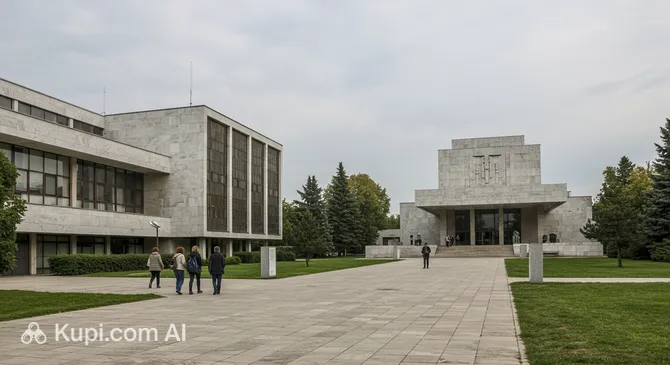
Traveler photos:
The museum complex covers a significant area and includes three main buildings: the House of Flowers (Kuća cveća), which houses Josip Broz Tito's mausoleum, the Old Museum, and the Museum of May 25th. These structures were originally designed as museum spaces and are located within Tito's former residential complex, which adds a special atmosphere to the site. The total area of the museum exceeds 5,000 square meters, and its surrounding park spans 3.2 hectares, offering visitors a pleasant space for a stroll.
The collection of the Museum of Yugoslavia consists of approximately 200,000 exhibits that comprehensively illustrate the history of Yugoslavia in the 20th century. Special attention is given to the life and work of Josip Broz Tito, a key figure in the country's history. The museum's displays offer a deep look into the political, social, and cultural aspects of the Yugoslav era, making it an essential stop for understanding the Balkan Peninsula's past.