Support

National Museum of Serbia

About

The National Museum of Serbia (Serbian: Narodni muzej) is not just a museum, but the true heart of cultural life in Belgrade and all of Serbia. Located on the picturesque Republic Square, it is the oldest and most important museum institution in the country. The museum building, constructed in the early 20th century, is an architectural treasure in itself and houses one of the richest collections in the Balkans, with over 400,000 exhibits. This is a place where history comes alive, and every visit promises new discoveries.
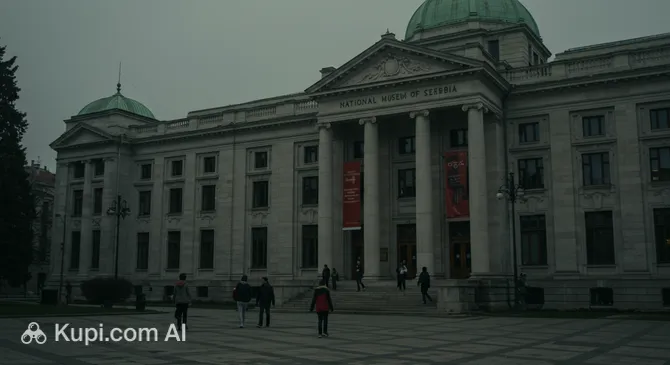
National Museum of Serbia. Illustration.
Source: Kupi.com AI

Traveler photos:

The exhibition of the National Museum of Serbia is impressive in its scope, covering a vast period of time—from prehistoric artifacts to works of modern art. Here, visitors can trace the cultural development of the region and the world through the centuries, discovering unique items that each tell their own story. The museum offers a fascinating journey through the ages, providing a deeper understanding of the rich heritage of this land.

The museum's galleries present diverse collections ranging from valuable archaeological finds evidencing ancient civilizations and medieval relics to magnificent paintings and sculptures by European and Serbian masters. Special attention is given to items illustrating the history and culture of Serbia, the Balkan Peninsula, and Europe as a whole. Visiting the National Museum of Serbia is a great opportunity to connect with world cultural heritage and learn much about history and art.

Contacts

For the most up-to-date information regarding opening hours, ticket prices, or upcoming exhibitions at the National Museum of Serbia, we recommend visiting the official website or contacting the museum representatives directly. Below are the primary contact details:

How to contactContact
AddressTrg republike 1а, Beograd 104303, Serbia
Phone number+381 60 8075020
Websitewww.narodnimuzej.rs

What to Do

A visit to the National Museum of Serbia offers a unique opportunity to immerse yourself in rich history and art. Guests can begin their journey with the unique archaeological collections, featuring artifacts found in the Balkans that tell the story of ancient civilizations. The route then leads through art galleries where you can see works by prominent European masters such as Titian, Rubens, Matisse, and Picasso, as well as talented local artists. Among the exhibits, you can also find ancient coins, valuable icons, old manuscripts, and impressive sculptures, each carrying a piece of history.

A walk through the three levels of exhibition halls, covering a total area of about 5,000 square meters, turns into a fascinating journey through the centuries. Visitors can literally walk through the pages of history, observing how cultures, styles, and worldviews changed. Each hall and exhibit is carefully curated to create a cohesive picture of the development of art and civilization in the region and beyond. This is not just a viewing of objects, but a true immersion into the past.

In addition to the permanent exhibition, the National Museum of Serbia regularly hosts temporary exhibitions that introduce new collections or explore specific themes in greater depth. For those who wish to broaden their knowledge, the museum offers various educational programs, lectures, and workshops. These events make the visit interesting and educational not only for adult art lovers but also for children and young people, opening the world of culture to them in an interactive and engaging way.

Getting There

The National Museum of Serbia is located in the very heart of Belgrade, at Republic Square, 1a (Trg Republike 1a). Thanks to its central location, the museum is easily accessible on foot, especially if you are staying in the city center or exploring other nearby attractions. A walk here allows you to better soak in the atmosphere of the Serbian capital.

If you prefer to use public transport, reaching the National Museum of Serbia is quite simple. Belgrade has a well-developed network of bus and tram routes, many of which pass through Republic Square or have stops nearby. This is one of the most popular and affordable ways to get around the city, making it easy to reach the museum from various districts.

Taxis are also at your service, with ranks found throughout central Belgrade, including the Republic Square area. A taxi ride from most central points in the city will be quick and comfortable. For those traveling by car, there are paid parking lots nearby where you can leave your vehicle during your visit.

Nearest city: Belgrade

History & Facts

The history of the National Museum of Serbia dates back to the mid-19th century. It was founded in 1844 at the initiative of Jovan Sterija Popović, a prominent figure of the Serbian Enlightenment and the Minister of Education. Originally named the "Serbian Museum," its primary mission was to collect, preserve, and present artifacts and materials highlighting the rich history of the Serbian people and Serbia from ancient times. This vision laid the foundation for the country's main museum repository.

Before finding its permanent home, the museum changed addresses several times. It wasn't until 1952 that the National Museum of Serbia finally moved into its current magnificent building on Republic Square in Belgrade. Interestingly, this site was previously home to the famous "Dardanelles" café—a popular meeting spot for the city's creative and intellectual elite. Thus, the museum building absorbed the spirit of the capital's cultural life even before it became a sanctuary for art and history.

A major milestone in the museum's recent history was a large-scale reconstruction that required significant time and effort. The renovation and modernization of the building and its exhibitions lasted for 15 years. Finally, in June 2018, the updated National Museum of Serbia triumphantly opened its doors to visitors, showcasing its priceless collections in a modern and comfortable space, ready to continue serving as a hub for everyone interested in culture and history.

Time Needed

When planning a visit to the National Museum of Serbia in Belgrade, keep in mind that you will need some time to fully appreciate its extensive exhibits. Generally, to see both the permanent collections and current temporary exhibitions, it is recommended to set aside 2 to 3 hours. This time should be sufficient to get a general overview of the main displays and enjoy the museum's atmosphere.

However, if you are a major fan of art and history or wish to study specific collections in more detail, your visit may take longer. Those who enjoy a deep dive into historical artifacts or art connoisseurs who want to carefully examine every painting could easily plan for more than three hours. The museum offers a vast amount of information and experiences, so there is no need to rush.

Therefore, the optimal time for visiting the National Museum of Serbia depends on your personal interests and how deeply you want to engage with the displays. Even if you only have a couple of hours to spare, you can still gain vivid impressions from this iconic cultural landmark of Serbia.

Working Hours

The National Museum of Serbia in Belgrade is generally happy to welcome visitors from Tuesday to Sunday, from 10:00 AM to 6:00 PM. Monday is a day off when the museum is closed to the public. This is the standard schedule you can use when planning your visit.

The museum is typically open year-round; however, please note that opening hours may change on public holidays. Therefore, to avoid any unpleasant surprises, it is highly recommended to check the current schedule on the official website of the National Museum of Serbia before your visit. You can also find information there regarding the need for advance ticket booking, which may be relevant during peak tourist season or for special exhibitions.

DayOpening hours
MondayClosed
Tuesday10:00 – 18:00
Wednesday10:00 – 18:00
Thursday12:00 – 20:00
Friday10:00 – 18:00
Saturday12:00 – 20:00
Sunday10:00 – 18:00

Nearby

After immersing yourself in the rich collections of the National Museum of Serbia, don't rush to leave this vibrant area of Belgrade. Exploring the surroundings will allow you to delve even deeper into the city's atmosphere, discover new interesting spots, and get a more complete picture of the Serbian capital's cultural and historical diversity. Often, it's the short walks through the neighboring streets that provide the most vivid impressions and unexpected discoveries.

The National Museum of Serbia is conveniently located in the very heart of the city, making it an excellent starting point for further exploration. In the immediate vicinity of the museum, you will find many other attractions, cozy cafés, and iconic landmarks that deserve your attention. Below is a list of some of these spots, including distances, to help you easily plan your route.

NameDistance
Prince Mihailo Monument0 km
Riddle Bar0.3 km
Museum of Illusions0.3 km
MOON Sushi & Fusion Food0.4 km
Yugoslav Film Archive0.5 km
Museum of Science and Technology0.7 km
Kalemegdan Fortress0.9 km

Have you reached the end of the page?

So the route has been studied inside and out