Support

Queen's Staircase

About

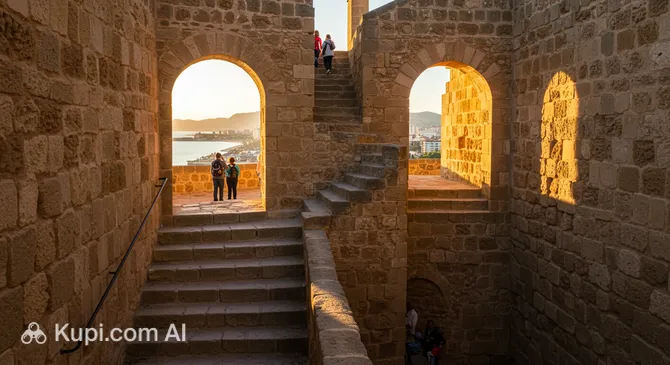
In the heart of sunny Alicante, on Avenida Conde de Vallellano, lies a unique architectural site—the Staircase to Santa Barbara Castle (often referred to as the Queen's Staircase). This monumental structure in Spain is an impressive sight: 66 steps skillfully carved directly into the bedrock.
\n\n
Santa Barbara Castle Staircase
Santa Barbara Castle Staircase. Иллюстрация. Источник: Kupi.com AI
\n\n

The defining feature of this location is the harmonious blend of rugged stonework and lush tropical vegetation. The staircase is surrounded by exotic trees that provide natural shade and a peaceful atmosphere, allowing travelers to momentarily forget the city bustle. It is more than just a path upward; it is a significant historical landmark serving as a gateway to the city's past.

\n\n

As an important historical site, the staircase draws attention with its understated beauty and engineering elegance. It serves as an ideal starting point for exploring the region's cultural heritage, offering visitors not only a physical ascent but also the aesthetic pleasure of the views that unfold during the climb.

Contacts

For your convenience in planning your route, you can use the following contact details and coordinates:

How to contactContact
AddressAv. Conde de Vallellano, 03003 Alicante (Alacant), Alicante, Spain

What to Do

The main reason to visit is a leisurely ascent up the famous steps. As you climb, you can examine the ancient stonework in detail and appreciate the scale of the labor of past builders. Each landing along the way offers a great opportunity to take striking photos against the backdrop of the tropical gardens that frame the staircase.

\n\n

Be sure to take some time to explore the surrounding gardens. It is an ideal spot for relaxation where you can rest in the shade of the trees and enjoy the quiet. From the top of the staircase, panoramic city views open up, which are particularly beautiful in the soft light of the setting sun or the rays of early morning.

\n\n

Locals and experienced tourists recommend visiting the staircase early in the morning or later in the evening. At these times, there are fewer people, allowing you to fully experience the serenity of the place. It is perfect for history buffs, photographers, and those looking for a quiet corner for reflection within the rhythm of a large city.

Getting There

There are several ways to reach this iconic landmark in Alicante. If you prefer walking, start from Plaza de la Virgen del Socorro. Head east on Calle de San Francisco, continue through Calle del Teatro to Calle de la Cruz, and turn left. Proceed to Calle de los Huertos, turn right, and you will soon reach Av. Conde de Vallellano, where the staircase is located.

\n\n

For those using public transport, bus line C-6 is an ideal choice. Board the bus at the "Plaza de los Luceros" stop heading toward San Juan Playa and get off at "Avenida de Salamanca." From the stop, walk back a short distance to the intersection with Av. Conde de Vallellano. The fare is approximately €1.45. Alternatively, a taxi from the city center takes only a few minutes.

\n\n

Outdoor enthusiasts might consider renting a bike using the city's convenient bike-sharing system. Cycling along the scenic promenade toward the beach, you will reach a roundabout; take the first exit onto the required avenue. Bike rental costs about €2 for the first hour, allowing you to combine a pleasant ride with sightseeing.

Ближайший город: Alicante

History & Facts

The majestic Staircase to Santa Barbara Castle, also known as the Queen's Staircase, was built in the 18th century. This structure is an impressive example of the era's engineering, demonstrating how functionality can be paired with aesthetics. The entire construction of 66 steps was literally carved out of solid bedrock, highlighting the colossal labor of past craftsmen.

\n\n

The historical purpose of this site in Alicante was closely linked to regional defense. The staircase provided strategic access to the Santa Barbara Fort, which played a key role during the War of the Spanish Succession. During that period, Spain was a theater of intense struggle, and the city served as a vital military and commercial hub.

\n\n

Today, this historical monument serves as a reminder of the city's rich military heritage. Every nick in the stone preserves the memory of events from centuries ago, turning a simple climb into a true journey through time. The meticulous handiwork preserved to this day makes the staircase one of the most significant cultural sites in the entire province.

Time Needed

To leisurely explore the attraction and soak in its atmosphere, 30 minutes to 1 hour is usually sufficient. This is plenty of time to climb all 66 steps, pause to admire the architectural details, and explore the adjacent gardens.

\n\n

If you plan on having a full photo session or wish to linger at the top to enjoy the panoramic views, you should budget a bit more time. The climb is not overly taxing, and the surroundings encourage a slow pace and quiet reflection amidst the tropical greenery.

Working Hours

One of the main advantages of this historical site in Alicante is its accessibility. The staircase is open to visitors 24 hours a day, seven days a week, from Monday to Sunday.

\n\n

This schedule allows for maximum flexibility when planning your visit. You can catch the sunrise here, enjoying the cool and quiet, or take a walk by the evening lights when the Old Town atmosphere becomes especially romantic and mysterious.

Круглосуточно

Nearby

Exploring the area around the staircase will allow you to dive deeper into the city's atmosphere and see Alicante from many different perspectives. Nearby, you will find both majestic historical fortresses and modern recreation areas.

\n\n
NameDistance
Casa Carbonell0.1 km
Gravina Museum of Fine Arts0.2 km
Manero Mollá0.3 km
El Pont Restaurant & Bar0.3 km
MACA Museum of Contemporary Art of Alicante0.3 km
La Milagrosa Hotel0.3 km
Co-Cathedral of Saint Nicholas of Bari0.3 km

Reached the end of the page?

That means the route is fully explored