Support

Cartago Nova Foro Romano

About

Immersing yourself in the era of antiquity becomes a reality in the heart of the ancient city, where the history of a great empire comes to life. The Roman Forum Museum is not just an exhibition space, but a massive archaeological complex, Foro Romano Molinete, located in the city of Cartagena. This site was once the center of social and political life in ancient Carthago Nova, and today it is recognized as one of the largest archaeological parks Spain has to offer.
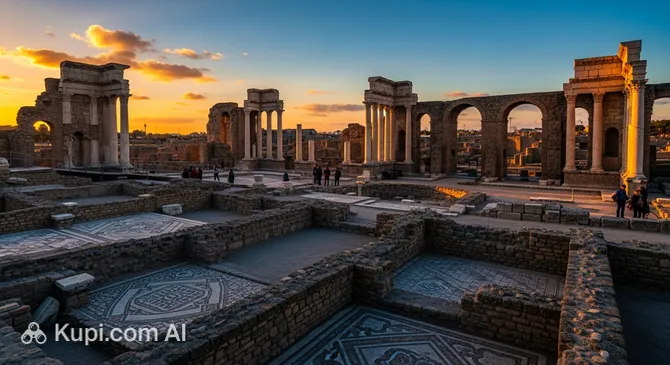
Roman Forum Museum (Cartagena)
Roman Forum Museum (Cartagena). Иллюстрация. Источник: Kupi.com AI

The complex brings together the ruins of majestic buildings from the 1st century AD, including the local senate (Curia), the sanctuary of the goddess Isis, and luxurious thermal baths. Strolling along the preserved roads, where the ruts from ancient carts are still visible, visitors can literally touch the past and see unique marble floors and porticos that have retained their elegance after millennia.

The modern museum building serves as a gateway to this ancient world. It displays valuable artifacts found during excavations on Cerro del Molinete hill: from everyday objects and exquisite decor to magnificent statues. The thoughtful layout of the complex's levels symbolizes the hierarchy between the divine and human worlds, giving tourists a sense of deep immersion into the atmosphere of the Roman Empire.

Contacts

To confirm current ticket prices and special visiting conditions, you can use the museum's contact details below.

How to contactContact
AddressC. Balcones Azules, 30201 Cartagena, Murcia, Испания
Phone+34 968 12 89 55

What to Do

Your introduction to the complex begins in the modern museum building, which houses unique finds telling the story of Molinete Hill throughout the centuries. It is worth paying attention to the carefully restored statues and everyday objects that prepare you for the main part of the attraction—the open-air archaeological ruins.

Once inside the forum area, be sure to visit the Curia to see the magnificent marble floor where local senators once walked. Stroll along the ancient pavements, observing the deep grooves left by the wheels of Roman chariots, and visit the Sanctuary of Isis, where you can learn about the Eastern cults that flourished in the empire. Equally impressive are the port's thermal baths and the palaestra—a spacious hall where ancient Romans engaged in physical exercise.

For those who appreciate beautiful views, a climb up Cerro del Molinete Hill is a must. From its summit, a breathtaking panorama of Cartagena unfolds, showing how modern buildings harmoniously coexist with ancient heritage. This is the perfect spot for commemorative photos and a short rest after an intensive tour.

Many travelers prefer to combine their visit with a walk to the Roman Theater or the Castillo de la Concepción, creating a complete route through the city's main historical points. The atmosphere of the forum is especially impressive on clear days, when sunlight highlights the texture of the ancient stone and columns.

Getting There

Finding this unique complex is quite easy, as it is located right in the city's historic center. If you are already walking along the waterfront, the walk from the port or Plaza de San Francisco takes only a few minutes. A stroll from the Roman Theater through the Town Hall Square and the picturesque Calle Mayor allows you to enjoy the architecture of the old city along the way.

For those who prefer public transport, local bus routes running to the city center from the train station or the port are suitable. If you are arriving by car, it is most convenient to leave your vehicle in one of the paid parking lots in the center and continue on foot through the pedestrian zones, perhaps stopping by the cozy bakeries on Calle Santa Florentina.

Tourists arriving via Murcia Airport (RMU) can take a train or bus to the central station; the trip takes about 30–45 minutes. Due to the city's compactness, most key locations are within walking distance of each other, making getting around very comfortable.

Ближайший город: Cartagena

History & Facts

The foundation of this majestic complex was laid back in the 1st century AD, when the city, then known as Carthago Nova, was one of the most important port and administrative centers of the Roman Empire. The forum served as the heart of public life: a bustling trade was conducted in the marketplace, while political news was discussed and important regional decisions were made in the shady galleries.

The architecture of the complex clearly reflected the social hierarchy of ancient society. The lower levels were intended for daily needs and commerce, while the upper platforms were reserved for sacred cults and administrative buildings, such as the Curia. The Sanctuary of Isis was of particular importance, confirming the spread of Egyptian mysteries throughout Roman Spain.

Interestingly, the forum's thermal complexes were actively used by citizens for several centuries. They underwent renovation in the 5th century and remained an important social facility until the 6th century. Today, archaeological excavations on Molinete Hill continue, constantly adding new artifacts to the museum's collection, from exquisite statues to everyday Roman items.

The integration of ancient ruins into a modern museum space has created one of the largest archaeological parks in the country. This place doesn't just preserve the stones of the past; it tells the story of the city's continuous life from the times of the Phoenicians and Romans to the present day.

Time Needed

To leisurely explore the museum's main exhibition and walk through the open-air archaeological park, it usually takes between 1.5 to 2 hours. This is enough time to examine the ruins of the Curia and the baths, and to climb the hill for a view of the surroundings.

If you plan to study every information board in detail, take artistic photographs, or want to combine your visit with the nearby Roman Theater, it is better to set aside half a day (about 3-4 hours). Cartagena invites a measured pace of exploration, so there is no need to rush.

Working Hours

Access to the open part of the archaeological park on the hill is possible at almost any time, but the museum building itself and the indoor exhibitions have their own operating schedule. They typically welcome visitors throughout the day, but hours may vary depending on the season and public holidays.

Since the exact schedule can change, we recommend checking the information on the official website or confirming details at a local tourist office before your trip to ensure your visit is as comfortable as possible.

Круглосуточно

Nearby

The museum's location in the heart of the historic quarter makes it easy to combine your visit with other iconic sites. A walk through the surroundings will help you form a complete picture of the region's centuries-old heritage and see how different eras intertwine in the modern urban environment.

NameDistance
Church of Santa María de Gracia0.1 km
Albedrío Bar Restaurant0.2 km
Roman Forum Museum of Molinete0.2 km
Basilica of Our Lady of Charity0.2 km
Roman Theatre of Cartagena0.3 km
House of Fortune0.3 km
El Cantón0.3 km

Reached the end of the page?

That means the route is fully explored