Support

Monumento Submarino Isaac Peral

About

Imagine a steel embodiment of late 19th-century engineering genius—before you stands the Isaac Peral Submarine monument. This unique historical object, located in the seaside city of Cartagena, represents the world's first fully operational combat submarine with an all-electric propulsion system. Spain is rightfully proud of this achievement, as the boat, launched in 1888, was far ahead of its time.
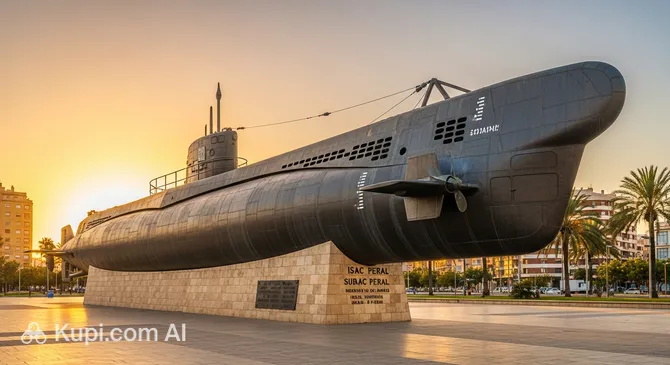
Isaac Peral Submarine Monument
Isaac Peral Submarine Monument. Иллюстрация. Источник: Kupi.com AI

Measuring about 30 meters long and with a displacement of 130 tons, the design was the brainchild of Navy officer Isaac Peral. It became the first submarine in history capable of launching torpedoes while submerged and was equipped with an innovative periscope system. Today, this technical masterpiece is the centerpiece of the Naval Museum (Museo Naval de Cartagena), attracting history and technology enthusiasts from all over the world.

Originally, the boat stood on the city's waterfront for decades, but for better preservation, it was moved to a specially equipped museum space in 2012. It is now mounted on a majestic pedestal, preserving the memory of the courage and innovation of an era when electricity was just beginning to change the world.

Contacts

The monument is located inside the Naval Museum building, which ensures its preservation and comfort for visitors. Below are the key contact details for planning your visit.

How to contactContact
AddressC. Capitanes Ripoll, 16, 30203 Cartagena, Murcia, Испания
Websiteturismo.cartagena.es

What to Do

A visit to this site is more than just looking at an old hull; it is a true immersion into the atmosphere of maritime discovery. Visitors can climb special steps onto the pedestal to see the steel hull, periscope, and propeller design of the first electric submarine in detail. Thanks to the professional lighting inside the museum hall, every rivet on the historic vessel looks impressive.

Around the exhibit, there are information panels in Spanish and English. They provide detailed accounts of the 1888 technical trials, the design of the storage batteries, and the innovative control systems that Isaac Peral implemented long before they became a global standard. It is a great opportunity to learn about the patriotic surge of that time and the complexity of the first underwater maneuvers.

As the monument is the crown jewel of the Cartagena Naval Museum, viewing the boat should be combined with exploring the other exhibitions. On display are rare ship models, navigational instruments, and artifacts revealing the power of the Spanish fleet. After the tour, we recommend a stroll through the port to compare the historic submarine with the modern vessels docked at the pier.

Getting There

Finding the famous submarine is easy—it is located in the museum building at C. Capitanes Ripoll, 16. This location is in close proximity to the city's port and the cruise terminal, making it extremely convenient for travelers arriving by sea.

If you are in the historic center, the walk to the monument will take no more than 10–15 minutes. Head towards Plaza de los Héroes de Cavite and walk along the Muelle Alfonso XII promenade. For those who prefer public transport, city bus routes No. 1, No. 6, and No. 20 stop near the port area.

Travelers by taxi or rental car can drive directly to the museum entrance on Capitanes Ripoll Street. There are paid parking lots in the port and museum area where you can conveniently leave your car. The landmark is well-marked on city signs, so it will be easy to find even without a navigator.

Ближайший город: Cartagena

History & Facts

The history of the submarine's creation is filled with both triumphs and dramatic turns. Isaac Peral, an officer in the Spanish Navy, conceived his project in 1884. After securing funding, he gathered materials from across Europe: optical instruments were brought from France, steel from London, and batteries from Brussels. The launch on September 8, 1888, was a true national celebration and a symbol of progress.

During the 1889 trials, the submarine demonstrated incredible results for its time. It successfully conducted a nighttime simulation against a warship while remaining undetected and performed the world's first underwater torpedo launch from an electric boat. However, despite its technical success, the project faced bureaucratic intrigue, and the program was closed in 1890. The inventor himself, disappointed by the authorities' decision, left the navy and passed away at the age of just 43.

The fate of the vessel itself was also difficult: after the project was closed, it was abandoned, and only decades later, in 1929, the hull was returned to Cartagena. The boat moved through several outdoor locations until it underwent a major restoration in 2012–2013 and found a permanent home in the old arsenal building. Today, it serves as a reminder that the era of the modern submarine fleet began right here.

Time Needed

For a quick look at the submarine itself and to read the main information stands, you will need about 20–30 minutes. This time is sufficient to take photos and appreciate the scale of 19th-century engineering.

However, since the monument is located within the Naval Museum, we recommend allowing at least 1–2 hours for your visit. This will allow you to explore all the museum halls at a leisurely pace, see the ship models, and enjoy the atmosphere of the historic port.

Working Hours

Since the boat has been moved inside the Cartagena Naval Museum, access to it is subject to the museum's operating hours. It is usually open to the public from 10:00 AM to 8:00 PM, but hours may vary depending on the season or holidays.

To ensure your visit goes as planned, we advise checking the current schedule in advance on the city's official tourism portal or directly at the site. It is worth noting that museum entry may require a small fee (around 3 euros), making the viewing of the submarine part of a full cultural experience.

Круглосуточно

Nearby

Cartagena is a city with an incredible concentration of monuments from different eras. Exploring the surrounding area after visiting the Peral submarine will help you better understand the multi-layered history of this ancient port, where Roman ruins stand alongside majestic maritime sites.

Nearby, you will find both ancient theaters and old fortresses that have protected the coast for centuries. A stroll along the waterfront and through the old quarters will reveal many interesting locations within walking distance.

NameDistance
Punic Wall0.3 km
House of Fortune0.7 km
Roman Forum Museum of Molinete0.7 km
Cartagena Military Museum0.7 km
Basilica of Our Lady of Charity0.7 km
Castle of the Conception0.8 km
Panoramic Lift0.8 km

Reached the end of the page?

That means the route is fully explored