Support

Municipal Archaeological Museum of Cartagena

About

Imagine a place where modern architecture carefully preserves the secrets of antiquity—this is the Municipal Archaeological Museum, which graces the city of Cartagena. Also known as the Enrique Escudero de Castro Museum, it serves as a key repository for the history of the Murcia region in Spain. Its standout feature is that the building was constructed directly over the San Antón Paleochristian Necropolis, which remains visible from anywhere within the exhibition halls.
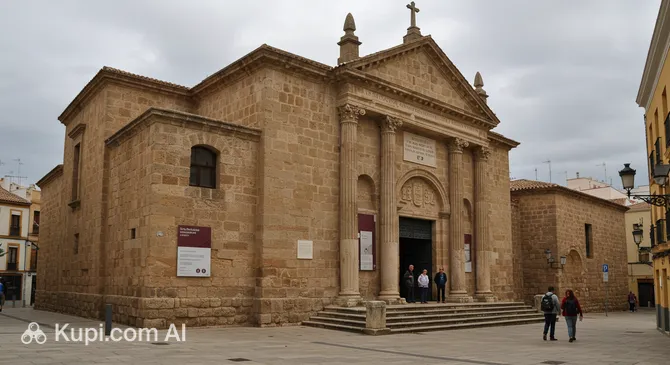
Municipal Archaeological Museum of Cartagena
Municipal Archaeological Museum of Cartagena. Иллюстрация. Источник: Kupi.com AI

The museum covers an area of about 700 square meters and offers guests a fascinating journey through time. The exhibition is divided into two parts: the first floor is dedicated to the chronological development of the region from the Middle Paleolithic to the Middle Ages, while the second focuses on specific themes, such as ancient mines and trade. Here, you will see more than just shards—you will find true treasures of antiquity, including magnificent Roman sculptures and one of the country's best collections of Latin epigraphy.

The building's design, created by architect Pedro Antonio San Martín, is unique because the 4th–5th century AD necropolis became the central element of the interior. Visitors can observe ancient burials right beneath their feet or from the second-floor galleries, creating a unique sense of being right at an excavation site.

Contacts

For further details regarding your visit or to book a tour, you can use the following contact information:

How to contactContact
AddressC Santiago Ramón Y Cajal, 45, 30204 Cartagena, Murcia, Испания
Phone+34 968 12 89 67
Websitemuseoarqueologico.cartagena.es

What to Do

The primary experience at the museum is the opportunity to see the San Antón Paleochristian Necropolis in all its diversity. You can examine various types of ancient burials: from simple individual graves to impressive pantheons and rectangular tumuli. The educational approach to the hall layouts makes it easy to trace how burial rites changed with the advent of Christianity.

Be sure to take the time to study the Roman collection. Here you can see the tools of ancient miners, delicate ceramics brought to the trading port hundreds of years ago, and masterfully crafted sculptures. A particular highlight is the portrait of a small boy wearing a laurel wreath—it is believed to be a depiction of a child from the imperial family. Fans of epigraphy will find a rich collection of headstones with Latin inscriptions that tell the stories of the ancient city's inhabitants.

In addition to the permanent exhibition, the museum often hosts temporary exhibitions and educational programs. Since admission to the museum is usually free, it is an excellent opportunity to enhance your cultural itinerary without extra cost. For those who want to learn more, guided tours are available that reveal the secrets of archaeological finds that continue to arrive here from excavations in the city center.

Getting There

The Municipal Archaeological Museum is located at C. Santiago Ramón y Cajal, 45. If you are already in the historic city center, a walk to the museum will take about 15–20 minutes. The route passes through picturesque streets, allowing you to combine your transit with a mini-tour.

For those who prefer public transport, the EMT Cartagena city bus network serves the area between the center and the outskirts. From the main seaport or the railway station, you can quickly reach the museum by taxi—the trip will cost approximately 5–7 euros and take no more than 10 minutes.

Travelers from other regions can conveniently use Renfe trains, which connect the city with Madrid and Alicante. From the Cartagena station, you can walk to the museum or take a local bus. If you have rented a car, bear in mind that parking in the center can be difficult, so it is better to leave your vehicle in one of the paid parking lots nearby.

Ближайший город: Cartagena

History & Facts

The history of this site began long before the modern building was constructed. As early as the 16th century, city authorities began collecting Roman epigraphs, and in the 19th century, a full-fledged museum of antiquities was established through the efforts of a local economic society. However, the venue only acquired its modern appearance and status in 1943 under the direction of Antonio Beltrán Martínez.

A turning point for the museum came in 1967, when the unique San Antón Necropolis was discovered during construction work. The director at the time, Pedro San Martín, made an ambitious proposal: instead of moving the finds, a new museum building should be constructed directly around the archaeological monument. This idea was brought to life, and in 1982, the renovated museum opened its doors to the public.

The building is named after Enrique Escudero de Castro, the city mayor who actively supported the project. Today, the museum serves as a true scientific hub where materials from all excavations conducted in the historical center of ancient Carthago Nova are processed. Thanks to this, the exhibition is constantly updated, offering visitors a look at artifacts that were hidden beneath layers of earth just yesterday.

Time Needed

To carefully explore the main exhibition on two floors and study the central necropolis in detail, most tourists need about 1.5 to 2 hours. This is usually enough time to read the information panels and admire the key sculptures.

If you are deeply passionate about archaeology or plan to visit a temporary exhibition, it is worth setting aside a bit more time—about half a day. The museum is designed for a calm pace of exploration, allowing you to immerse yourself in the ancient history of the region without any rush.

Working Hours

The museum welcomes visitors throughout the week, except on Mondays, when it is closed. The standard schedule from Tuesday to Friday includes a siesta break: morning hours from 09:00 to 14:00 and evening hours from 17:00 to 19:00 (depending on the season, evening hours may be extended until 20:00). On Saturdays and Sundays, the museum is open only in the morning from 11:00 to 14:00.

Please note that entrance to the Municipal Archaeological Museum of Cartagena traditionally remains free of charge. It is recommended to check the official website before your trip, as schedules may change during public holidays.

DayWorking hours
понедельникЗакрыто
вторник09:00–14:00, 17:00–19:00
среда09:00–14:00, 17:00–19:00
четверг09:00–14:00, 17:00–19:00
пятница09:00–14:00, 17:00–19:00
суббота11:00–14:00
воскресенье11:00–14:00

Nearby

Exploring the museum's surroundings will allow you to dive deeper into the atmosphere of ancient Cartagena. Most of the iconic monuments from the Roman era and the Middle Ages are within walking distance, making this area ideal for a stroll.

NameDistance
Cartagena Department Store0.2 km
La Fábrica Brewpub0.8 km
Plaza de España1 km
Villa Esperanza1.3 km
Cartagena Military Museum1.4 km
Roman Forum Museum (Cartagena)1.6 km
Albedrío Bar Restaurant1.6 km

Reached the end of the page?

That means the route is fully explored