Support

Castillejo de Monteagudo

About

Perched on a 149-meter cliff above the fertile valley of Murcia, the medieval fortress of Castillejo de Monteagudo is one of the most recognizable monuments in southern Spain. The attraction's name comes from the Arabic word Muntaqud, meaning "Sharp Mountain," perfectly describing the steep limestone peak upon which it sits.
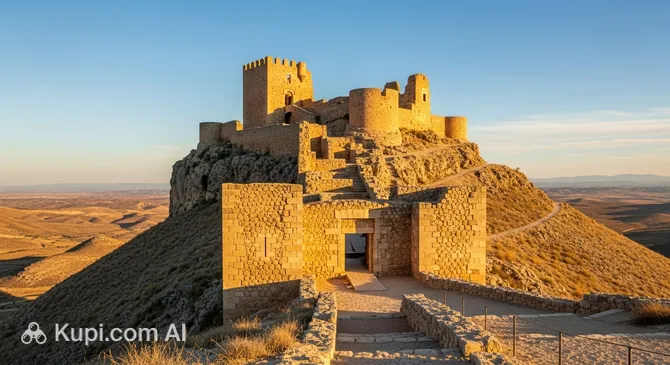
Castillejo de Monteagudo
Castillejo de Monteagudo. Иллюстрация. Источник: Kupi.com AI

This historical site is a unique example of defensive architecture. The fortress was built using traditional modular formwork and reinforced with numerous rectangular towers placed close together for maximum protection. The foundation is masterfully adapted to the mountain's complex terrain, dividing the fortification into two main levels.

Today, Castillejo de Monteagudo attracts travelers not only with its ancient ruins but also with the opportunity to connect with the region's centuries-old history. The remains of the Moorish past and later Christian monuments blend harmoniously here, turning the mountain into a true open-air museum.

Contacts

For those planning to visit this historic site, it's helpful to have the exact coordinates and address at hand. The fortification is located on the outskirts of the city, serving as a prominent landmark visible from almost anywhere in the surrounding area. Below is detailed contact information and a map link to help you find your way to the foot of the mountain.

How to contactContact
AddressDiseminado Buenos Aires, 14, 30160 Murcia, Испания

What to Do

The climb to the ruins of Castillejo de Monteagudo is an engaging route for history buffs and hikers. Travelers can walk along winding paths to get a close-up look at ancient horseshoe arches and fragments of mighty towers. Be sure to notice the preserved water supply systems that once provided the garrison with fresh water right at the top of the cliff.

The main visual highlight and pride of this site is the majestic Heart of Jesus monument (Corazón de Jesús). This 14-meter sculpture, erected in 1951, crowns the central square of the castle and is visible for many miles around. It serves not only as a religious symbol but also as an excellent landmark for tourists.

Breath-taking panoramic views of the entire Murcia valley open up from the top of the mountain. It's an ideal spot for panoramic photography or quiet nature contemplation. Don't forget to wear comfortable shoes for the climb, as the path can be uneven in places, and try to visit on a clear day to fully appreciate the scale of the surrounding landscapes.

Getting There

To reach this majestic fortress, it is most convenient to take a car or taxi from the center of Murcia. The trip takes very little time, and you can park your car at the base of the cliff where the hiking trail begins. Use the address: Diseminado Buenos Aires, 14.

If you prefer public transport, take a bus heading to the Monteagudo district. After getting off at the stop, you will have a 20–30 minute walk. The climb up the hill is moderately challenging, making it a great option for those who enjoy active recreation and fresh air.

Ближайший город: Murcia

History & Facts

The history of this place is rooted in the deep past: people inhabited Mount Monteagudo as far back as the Bronze Age. Archaeologists have found traces of Iberian, Roman, and even Byzantine settlements here. However, the first written mentions of the castle itself date back to 1078–1079, when the vizier of the King of Seville was imprisoned within its walls.

The fortress reached its peak in the 12th century during the reign of Ibn Mardanis, better known as the Wolf King. Under his rule, the castle became a key observation point controlling the valley and important trade routes. Massive walls, built using the traditional tapial (rammed earth) system, and numerous towers made it practically impregnable to enemies of the time.

Following the Reconquista in 1243, King Alfonso X the Wise made this place his official residence. For a long time, the castle served not only as a granary and a prison but also as an important border outpost between Castile and Aragon, maintaining its strategic importance until the end of the 15th century.

Time Needed

To leisurely climb the mountain, explore the remains of the ancient walls, and enjoy the panoramic views, most tourists need about 1.5–2 hours. This time is sufficient for a comfortable walk and a photo session against the backdrop of the majestic monument.

If you plan to have a small picnic at the summit or study the information boards in detail, you should set aside a bit more time. It is best to plan your visit to the fortress for the morning or pre-sunset hours, when the lighting makes the landscapes particularly picturesque.

Working Hours

One of the main advantages of this historical site is its accessibility. Castillejo de Monteagudo is open to tourists 24 hours a day, 7 days a week.

You can choose any time for your visit: whether it's early morning to catch the sunrise over the valley or late evening when the city lights create a special romantic atmosphere around the ancient walls.

Круглосуточно

Nearby

Exploring the surroundings of the fortress will allow you to dive deeper into the region's atmosphere and discover even more interesting sites. In the immediate vicinity, you'll find other historical ruins as well as places for family leisure and nature walks.

NameDistance
Murcia Aquarium1.3 km
Odiseo3.5 km
Mano a Mano Pizzeria4 km
Fofó Park4.2 km
Old Prison Contemporary Culture Center4.3 km
El Togo II4.4 km
Archaeological Museum of Murcia4.5 km

Reached the end of the page?

That means the route is fully explored