Support

muBBla, museo de Bordado Paso Blanco

About

Imagine a place where the finest threads of silk and gold are transformed into grand canvases, bringing biblical stories and historical chronicles to life. The Paso Blanco Embroidery Museum (muBBla), located in the city of Lorca, is the first museum complex of its kind in Spain entirely dedicated to the art of artistic needlework. Opened in 1995, it has become home to more than 1,500 unique handmade items.
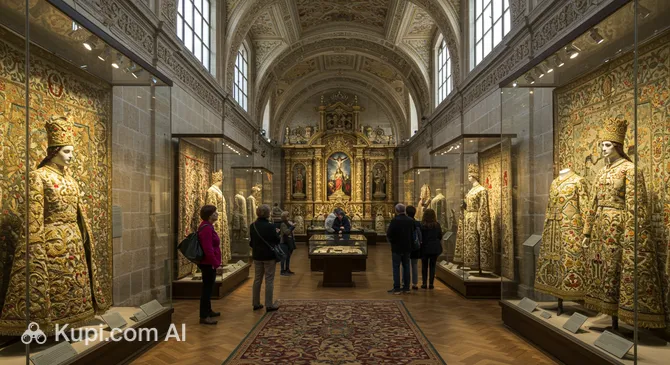
Paso Blanco Embroidery Museum
Paso Blanco Embroidery Museum. Иллюстрация. Источник: Kupi.com AI

The museum is housed within the walls of the majestic historic Santo Domingo complex, which dates back to the 16th–18th centuries. Here, the masterpieces of the famous lorquino bordado — the technique that made the city world-famous — are carefully preserved. Six items in the collection are officially recognized as Assets of Cultural Interest, confirming their incredible artistic value.

The heart of the exhibition is the "Chamber of Wonders" (Cámara de las Maravillas), where the most precious relics, including the cloaks of the Virgin Mary, are displayed in a special atmosphere. A visit to muBBla is not just a trip to a museum, but a journey into a world of ancient traditions, where the Baroque architecture of the Rosario Chapel meets modern multimedia technologies.

Contacts

To confirm the current schedule and plan group tours, you can use the contact details provided below. Museum staff are always ready to assist visitors with information about current exhibitions and special events.

How to contactContact
AddressC. Santo Domingo, 8, 30800 Lorca, Murcia, Испания
Phone+34 968 46 18 13
Websitewww.mubbla.org

What to Do

The main reason to visit the museum is the opportunity to witness the virtuosic lorquino bordado technique up close. In the "Chamber of Wonders," you can examine the pallium of the Virgen de la Amargura, decorated with scenes based on the works of famous artists, executed in silk with such detail that they resemble fine paintings. Pay attention to how the gold threads create volume and a play of light on the ancient banners.

Be sure to visit the Rosario Chapel to see the magnificent Baroque frescoes and feel the solemn atmosphere of the place. The museum often hosts temporary thematic exhibitions, such as displays of miniature embroideries or exhibitions dedicated to dynasties of master craftsmen, allowing you to discover something new every time.

For those who want to dive deeper into the subject, audiovisual rooms and educational programs are available. After touring the collection, it is pleasant to stop by the cozy cafe at the complex or purchase a commemorative gift at the souvenir shop, which features items inspired by traditional Lorca patterns. Photography enthusiasts will appreciate the unique angles of the historic building and the detailed decorative elements.

Getting There

The museum is located in the historic center of the city of Lorca at C. Santo Domingo, 8. Reaching it on foot is easy: a walk from the central Plaza de España or the Collegiate Church of San Patricio takes only 10–15 minutes. Follow the signs to the old quarters, where every turn is steeped in the atmosphere of the past.

If you are arriving from other cities in Spain, the most convenient way is to use the Renfe train or an ALSA bus. The journey from Murcia takes about an hour. From Lorca's train station and bus terminal, the museum is about a 20-minute walk or a short ride on city bus line No. 1. For those who prefer more comfort, taxi services are always available directly at the station.

For travelers arriving by car from Murcia (RMU) or Alicante (ALC) airports, the drive will take between 40 and 60 minutes. There are parking zones in the immediate vicinity of the museum, making the visit convenient for those exploring the region independently.

Ближайший город: Lorca

History & Facts

The tradition of artistic embroidery in the city of Lorca has deep roots dating back to 1535. It was then that, with special permission from Pope Clement VII, unique textile masterpieces began to be created to decorate the Collegiate Church of San Patricio. The city's rise as the "embroidery capital" is associated with the master Alonso Cerezo, whose works were valued alongside the greatest works of art of that time.

The foundation for the prosperity of this craft was the active silk production in Murcia during the 17th and 18th centuries. The Paso Blanco Embroidery Museum was opened in 1995 by the Paso Blanco cofradía (brotherhood) — the oldest in the city. To house the collection, the building of the former 16th-century Convent of Santo Domingo was chosen; the brotherhood purchased it from ruins and carefully restored it, giving the architectural monument a second life.

Of particular value are the works created in the Virgen de la Amargura workshops in the late 19th and early 20th centuries under the guidance of talented directors such as Emilio Felices Barnes. Six of the museum's exhibits hold the official status of Bienes de Interés Cultural (Assets of Cultural Interest), highlighting their exceptional artistic and historical significance.

An integral part of the complex is the Rosario Chapel, built between 1707 and 1740. Its dome is decorated with the magnificent Baroque fresco "Apotheosis of the Rosary," created by Baltasar Martínez Fernández de Espinosa. This space serves as a living reminder of the spiritual connection between the art of embroidery and the religious traditions of the region.

Time Needed

To explore all the museum's treasures at a relaxed pace, visitors are recommended to set aside about 1.5–2 hours. This is quite enough time to carefully study the main exhibition, admire the details in the "Chamber of Wonders," and enjoy the architectural elegance of the Rosario Chapel.

If you plan to visit temporary exhibitions, browse the souvenir shop, or relax in the local cafe, you should add another 30–40 minutes to your visit. The museum encourages thoughtful contemplation, so there is no need to rush if you want to fully appreciate the delicacy of the embroiderers' work.

Working Hours

The museum welcomes visitors daily, although there is a siesta break during the day. From Monday to Saturday, the doors are open from 10:30 AM to 2:00 PM and from 5:00 PM to 8:00 PM. On Sundays, you can explore the collection in the morning, from 10:30 AM to 2:00 PM.

Please keep in mind that the opening hours may change depending on holidays or special events of the brotherhood. It is recommended to check the current opening times on the official museum website before your visit.

DayWorking hours
понедельник10:30–14:00, 17:00–20:00
вторник10:30–14:00, 17:00–20:00
среда10:30–14:00, 17:00–20:00
четверг10:30–14:00, 17:00–20:00
пятница10:30–14:00, 17:00–20:00
суббота10:30–14:00, 17:00–20:00
воскресенье10:30–14:00

Nearby

Exploring the surroundings of the museum in Lorca allows for a deeper dive into the region's rich history. Just a few steps from the museum are other significant architectural monuments and cultural centers that harmoniously complement a tour of the old town.

NameDistance
Archaeological Museum of Lorca0.1 km
Lorca Time Workshop0.2 km
Bar La Confitería0.3 km
Collegiate Church of San Patricio0.3 km
El Sibarita Bar Restaurant0.4 km
San Diego Mall0.5 km
Blue Museum of Holy Week0.6 km

Reached the end of the page?

That means the route is fully explored