Support

Rawai

About

Rawai is a cozy and authentic corner on the southern tip of Phuket island in Thailand, washed by the warm waters of the Andaman Sea. This area is famous for its calm atmosphere and picturesque landscapes, where green hills meet dense jungles and beautiful beaches, with small islands visible on the horizon.
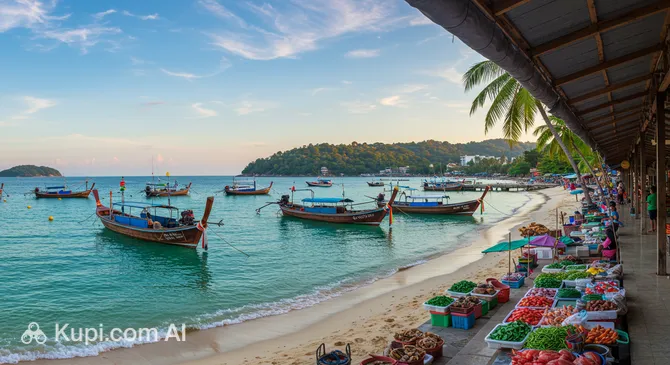
Rawai. Illustration.
Source: Kupi.com AI

With a population of about 17,000 people, Rawai retains the charm of a small coastal town. Unlike Phuket's noisier tourist centers, a slow pace of life, heartfelt simplicity, and the hospitality of local residents prevail here. Rawai is one of the oldest districts on the island, originally a fishing village, which still influences its authentic character today.

Among Rawai's main attractions is the famous seafood market, where you can always find the freshest catch. Equally popular is Promthep Cape, the perfect spot for watching sunsets and taking unforgettable photos. From here, it is also easy to take a boat trip to nearby islands, such as Coral or Racha, which attract diving and snorkeling enthusiasts with their coral reefs.

In addition to beach holidays and boat trips, Rawai offers opportunities for active leisure, including Muay Thai (Thai boxing) schools and yoga centers. What sets this area apart is its sincerity and authenticity, allowing guests to dive deeper into genuine Thai culture and traditions.

If you are looking for a place for a quiet holiday, to experience local life, and to enjoy natural beauty, Rawai is an excellent choice. This corner of Phuket will give you peace of mind, vibrant culinary impressions, and warm memories.

You can find more interesting facts on the Rawai history page.
Weather Overview

The weather in Rawai is characterized by a tropical monsoon climate, ensuring warmth year-round. The average monthly air temperature stays steadily in the range of 27-28.3°C, creating comfortable conditions for relaxation. The year here is clearly divided into two seasons: dry and wet. The dry season, which usually lasts from January to March, is characterized by minimal precipitation (about 1-2 mm per month) and a small number of rainy days (average 6-9 days). Starting from April, humidity gradually rises, and the wet season lasts from May to November. During this period, the amount of precipitation increases significantly, reaching 8-11 mm per month, and the number of rainy days can reach 23-28, especially in September and October. However, tropical rains are often heavy but short-lived, and the sun quickly returns. For more detailed planning of your trip, we recommend checking out the detailed information about the climate in Rawai.

Average monthly temperature

Average monthly precipitation

Interesting Facts

Rawai is not just about picturesque beaches and the famous fish market. This corner of Thailand hides many interesting details and little-known stories. Here are just a few facts that will reveal Rawai from a new, unexpected side:

Wat Ladthi Wanaram (Wat Tai). Illustration.
Source: Kupi.com AI

Traveler photos:

  • Rawai is considered one of the oldest settlements in Phuket. For centuries, it has been home to a unique community of sea gypsies—the Chao Leh people. They carefully preserve their traditional way of life, engage in fishing, and hold colorful festivals, and their vibrant floating village is one of the area's authentic points of attraction.

  • Promthep Cape, located in the immediate vicinity of Rawai, is famous not only as the ideal spot for watching sunsets in Phuket. Many Thais consider it a place of power. There is a belief that visiting Promthep Cape brings good luck, grants inspiration, and helps fulfill cherished wishes.

  • Rawai is home to the amazing Seashell Museum, which houses one of the most impressive private collections in the world. Among its exhibits, you can see not only incredibly beautiful and rare shells but also giants weighing over 200 kilograms, as well as fossils that are hundreds of millions of years old.

  • The Rawai district is rightfully considered a true mecca for fans of Thai boxing (Muay Thai). Many training camps and specialized schools are concentrated here, where both beginners and world-class professional fighters hone their skills. You can often witness exciting exhibition matches at local festivals and fairs.

How to Get There

The most convenient way to reach Rawai, a charming district on the southern tip of Phuket island, is by air. The main transport hub for travelers heading to this part of Thailand is Phuket International Airport (IATA: HKT). This large and modern airport is located in the northern part of the island, approximately 33.9 km from Rawai. A trip by taxi or rental car from here to your hotel in Rawai usually takes from 1 hour 10 minutes to 1 hour 30 minutes, depending on traffic. Shuttle buses (minivans) also run from the airport, and private transfers can be booked in advance.

An alternative option is arriving at Krabi Airport (IATA: KBV), located in the neighboring province of Krabi on the mainland. This airport also handles international and domestic flights. The distance from Krabi Airport to Rawai is about 78.4 km. The journey from here to Rawai will be longer, approximately 2 hours 20 minutes to 3 hours, as it may involve a ferry crossing or a longer land route via the Sarasin Bridge, which connects Phuket to the mainland. This option might interest those planning to also explore the beauty of Krabi province.

Although flying is the fastest way to get to Rawai, Phuket can also be reached by intercity buses from various cities in Thailand, such as Bangkok, Surat Thani, or Hat Yai. Bus travel is longer but more budget-friendly. Additionally, if you prefer independent travel, you can always rent a car or motorbike and drive to Rawai while enjoying the views of southern Thailand.

For your convenience, below is a summary of the airports that can be used for your trip to Rawai:

AirportPassenger trafficDistance
Phuket International Airport17.2 mln34 km
Krabi Airport2.3 mln78 km
Trang Airport559 844145 km
Surat Thani Airport1.3 mln171 km
Nakhon Si Thammarat Airport1.0 mln195 km

Main Attractions

Rawai, nestled on the southern tip of Phuket, attracts travelers not only with its picturesque beaches and relaxed atmosphere but also with several interesting sites where you can experience the culture and stay active. This area offers diverse leisure options, from visiting temples to exciting outdoor adventures.

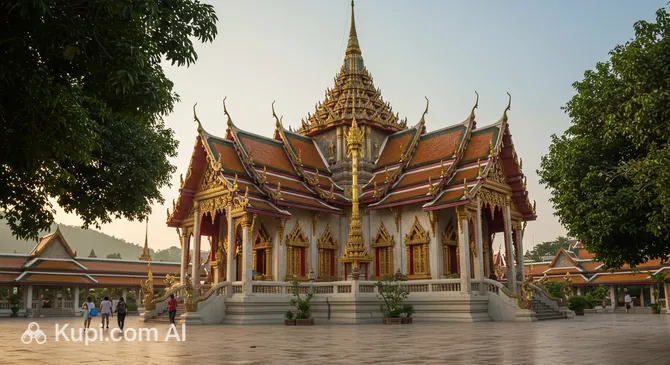
One of the spiritual centers of Rawai is Wat Ladti Wanaram (Wat Tai). This Buddhist temple is a wonderful place for those seeking peace and wanting to touch Thai culture. Visitors can admire the traditional temple architecture, elegant Buddha statues, and observe the daily life of monks. The temple offers a peaceful atmosphere for reflection and learning about local religious traditions.

Wat Ladthi Wanaram (Wat Tai). Illustration.
Source: Kupi.com AI

Traveler photos:

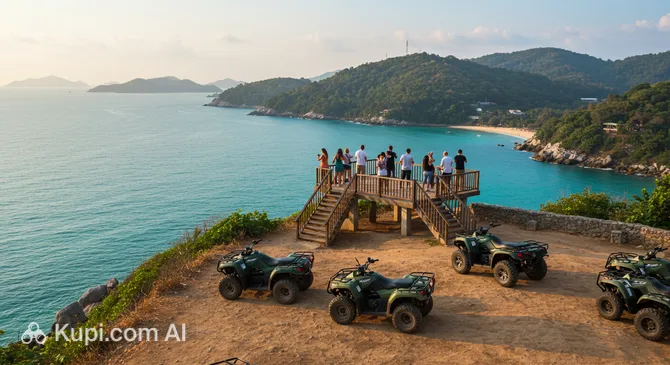
For fans of active recreation and vivid impressions, an ATV Tour with Sea View is an excellent choice. This excursion allows you to explore the scenic surroundings of Rawai, race through tropical jungles, and enjoy breathtaking panoramic views of the Andaman Sea. Such a tour will provide an adrenaline rush and unforgettable memories of adventures in Phuket.

ATV Seaview Tour. Illustration.
Source: Kupi.com AI

Traveler photos:

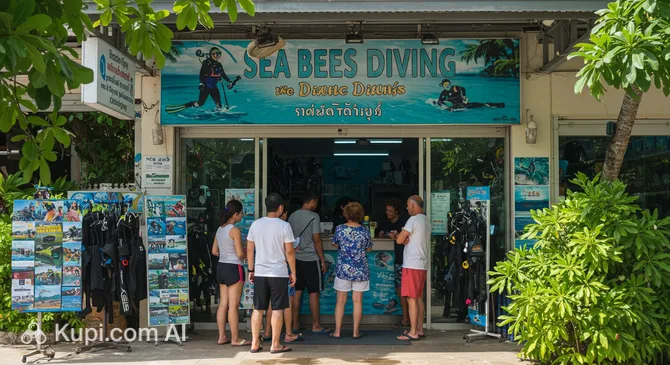
Rawai's coastal location makes it an ideal spot for water activities. The company Sea Bees Diving invites everyone to discover the amazing underwater world of the Andaman Sea. Here you can go diving or snorkeling, exploring coral reefs and watching colorful tropical fish. It is a great opportunity for both beginners and experienced divers.

Sea Bees Diving. Illustration.
Source: Kupi.com AI

Traveler photos:

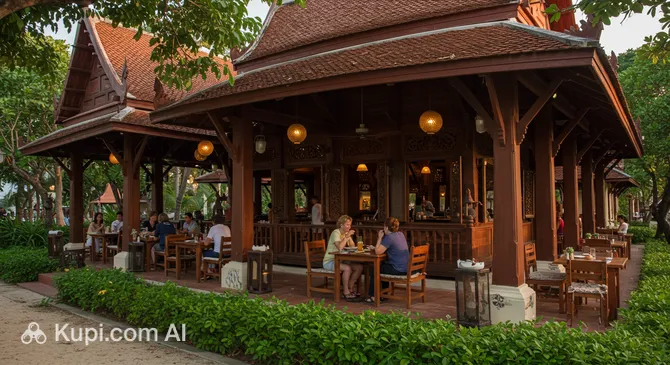
If you want to combine pleasure with business—enjoying art and delicious food—stop by Bucha Gallery and Restaurant. This unique establishment combines an art gallery featuring works by local artists and a restaurant with exquisite cuisine under one roof. Here you can not only admire works of art but also taste Thai and international dishes in a stylish and cozy setting.

Bucha Gallery and Restaurant. Illustration.
Source: Kupi.com AI

Traveler photos:

Local Cuisine

The gastronomic heart of Rawai beats to the rhythm of the surf, as the freshest seafood is the main culinary treasure here. At the famous fish market located right on the beach, a true kaleidoscope of sea gifts awaits you. Choose live shrimp, huge crabs, fresh oysters, or even sea urchins, and immediately, in one of the many coastal restaurants, they will prepare your catch according to classic Thai recipes or your preference.

Among the dishes you must try in Rawai are aromatic Tom Yum with seafood, spicy fried sea bass with lime and chili, and refreshing Som Tam salad with shrimp. Local chefs are not afraid to experiment, masterfully combining traditional spices, delicate coconut milk, and fresh herbs to create unique flavor compositions. Don't be surprised if you find dishes with unexpected but harmonious flavor combinations on your table.

Street food is an integral part of Rawai's gastronomic culture. Along the waterfront, you will find many small street food stalls and food carts where delicious grilled squid, rich seafood soups, and juicy exotic fruits are prepared right before your eyes. Skewers made from various marine delicacies, generously seasoned with spicy homemade sauces, are particularly popular. Locals and tourists alike love to grab a snack from street vendors or sit in cozy family cafes.

Bucha Gallery and Restaurant. Illustration.
Source: Kupi.com AI

Traveler photos:

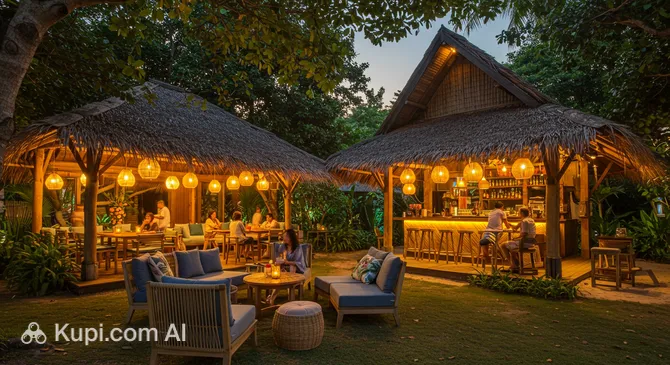
The meal is perfectly complemented by traditional Thai drinks: refreshing juice from fresh tropical fruits (mango, pineapple, passion fruit), cold Thai iced tea (Cha Yen), or local beer. For those looking for a more sophisticated atmosphere, Rawai also has restaurants offering both authentic Thai and international cuisine. For example, you can visit Bucha Gallery and Restaurant to enjoy delicious dishes in an interesting setting. The city's gastronomic scene is lively and diverse, offering options for every taste and budget, from simple fishing taverns to stylish establishments.

Throughout the year, Rawai sometimes hosts small food festivals and fairs. This is a wonderful opportunity to try dishes from local chefs, learn about the culinary traditions of the indigenous Chao Leh people, and even participate in masterclasses on preparing Thai delicacies. Such events allow you not only to enjoy the taste but also to dive deeper into the region's culture.

Travel Tips

Welcome to sunny Rawai! To make your journey to this charming corner of Thailand as comfortable and memorable as possible, we have prepared some practical tips. They will help you better navigate the area and avoid potential inconveniences.

  1. Clothing and Essentials:

    Rawai has a tropical climate, so choose light, breathable clothing made from natural fabrics. Don't forget swimwear, sunscreen with high SPF, a hat, and sunglasses. For visiting temples, you will need clothing that covers your shoulders and knees. Sandals, flip-flops, and comfortable sneakers for walking are preferred footwear. A universal travel adapter for electronics might also come in handy, although many hotel outlets are already adapted.

  2. Transportation around Rawai:

    The most popular way to get around for short distances is renting a scooter (bike). It's inexpensive and convenient, but remember the left-hand traffic and the need to have an international driving permit. You can also use taxi services (including moto-taxis) or apps like Grab. For trips around the district, songthaews—local pickup truck shuttles—are available. Renting a car might be justified if you are traveling in a large group or planning long trips across the island.

  3. Finances:

    The local currency is the Thai Baht (THB). You can exchange money at banks or numerous exchange booths (compare rates before exchanging). Credit and debit cards are accepted in most hotels, large stores, and restaurants. However, for purchases at markets, small cafes, and for some services, you will need cash. ATMs are widespread but charge a withdrawal fee. Tipping is not mandatory but appreciated (usually 10-20 Baht or rounding up the bill).

  4. Health and Safety:

    There are plenty of pharmacies in Rawai where you can buy basic medications. Be sure to take out travel medical insurance before your trip. Drink only bottled water and wash fruit thoroughly. Use repellents to protect against mosquitoes, especially in the evening. Rawai is considered a fairly safe area, but always take basic precautions: watch your belongings and don't leave valuables unattended on the beach.

  5. Communication:

    The official language is Thai. In tourist areas, many people speak English, especially hotel and restaurant staff. Learn a few basic phrases in Thai, such as: "Sawatdee kap/ka" (Hello/Goodbye), "Khop khun kap/ka" (Thank you)—this is always appreciated by locals. You can buy a local SIM card for mobile internet at the airport or in 7-Eleven/Family Mart stores. Wi-Fi is available in most hotels and cafes.

  6. Local Etiquette:

    Thais are very friendly and smiling. The traditional greeting is the "wai" (palms pressed together at chest or face level). The head is considered the sacred part of the body, and the feet the "lowest"; do not touch Thais on the head and do not point your feet at people or sacred images. It is customary to remove your shoes before entering a temple or a private home. Try to stay calm and smile in any situation.

  7. What to Avoid:

    Show respect to the Royal Family of Thailand—any critical remarks or disrespectful actions toward them are unacceptable and can lead to serious consequences. Also, treat Buddhist shrines and Buddha images with reverence: do not climb on statues for photos and behave moderately on temple grounds.

  8. Special Tip for Rawai:

    Don't miss the opportunity to visit the famous Rawai Fish Market. Here you can buy the freshest seafood directly from fishermen and immediately ask to have it prepared in one of the many neighboring cafes. This is a unique gastronomic experience and a signature of this area. Also, Rawai is a great starting point for sea excursions to nearby islands, such as Coral Island (Koh He) or Racha Yai.

We hope these tips help you enjoy every moment of your stay in Rawai. We wish you an unforgettable holiday full of bright impressions and pleasant discoveries!

Entertainment & Nightlife

Evening and nighttime Rawai offers its guests a quieter and more relaxed atmosphere compared to Phuket's bustling tourist hubs; however, there is still plenty to do after sunset. Instead of loud nightclubs, you will find cozy bars, restaurants with live music, and the chance to enjoy a pleasant evening by the sea.

Main evening activity is concentrated along Rawai Beach Road and adjacent streets, such as Sai Yuan Road. Many venues for every taste are located here. The atmosphere is mostly laid-back and friendly, attracting tourists, locals, and expats alike. The dress code in most places is casual—shorts and a t-shirt are perfectly appropriate. Many bars and restaurants stay open until midnight or slightly later, offering guests drinks and food accompanied by live music or the sound of the surf.

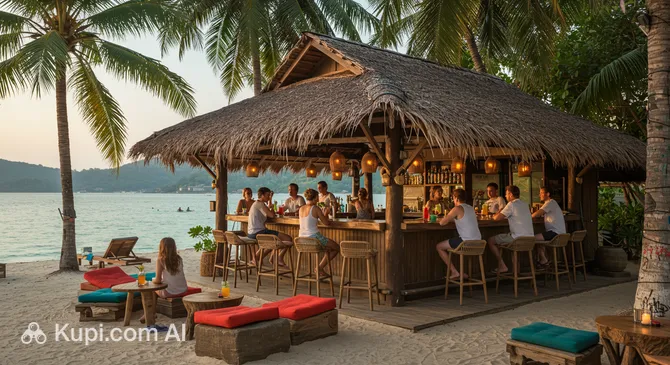
TUGA Phuket. Illustration.
Source: Kupi.com AI

Traveler photos:

Among specific places for a nice evening, it's worth mentioning the TUGA Phuket bar, known for its atmosphere. If you are looking for dinner followed by drinks, check out Groov Gastrobar. Also popular are the seafood restaurants near Rawai Pier, where you can choose the freshest catch and have it cooked for you immediately. Some of these restaurants stay open late, turning into a kind of night market for fresh seafood. While there are no large nightclubs in Rawai, many bars offer music and dancing in a more intimate setting.

Groov Gastrobar. Illustration.
Source: Kupi.com AI

Traveler photos:

The best time for evening outings is after 8:00 PM, when the daytime heat subsides. Prices in Rawai's bars and restaurants are generally moderate, especially compared to more touristy areas. You can reach your destination or return to your hotel at night by taxi (it's best to use booking apps like Grab) or local tuk-tuks, though you should agree on the price with drivers beforehand.

Rawai is considered a fairly safe area for evening and night walks, especially in the busy spots along the waterfront. Nevertheless, you should always take standard precautions: keep an eye on your belongings and avoid poorly lit, deserted streets. Calling a taxi via an app is one of the most reliable ways to get around after dark.

During the day, Rawai also offers various forms of entertainment. Although there are no large theaters or amusement parks, you can enjoy relaxing on Nai Harn or Yanui beaches, visit the Promthep Cape viewpoint to admire the sunset, or explore local temples like Wat Ladti Wanaram (Wat Tai). For outdoor enthusiasts, diving centers like Sea Bees Diving or exciting trips like the ATV Tour with Sea View are available.

Parks & Museums

Rawai, a charming corner in southern Phuket, offers its guests not only picturesque beaches but also interesting opportunities to explore local culture and nature. While there may not be extensive city parks in the classical sense, the natural beauty and cultural sites more than compensate for this.

Speaking of green zones and natural attractions, Rawai Beach itself should be mentioned first. It is not so much a place for swimming as a colorful waterfront where you can enjoy beautiful views of the nearby islands and observe the daily life of local fishermen. Not far from Rawai is the famous Promthep Cape—one of Phuket's most famous viewpoints, offering truly breathtaking views, especially at sunset. This place is ideal for walking and enjoying natural beauty.

Wat Ladthi Wanaram (Wat Tai). Illustration.
Source: Kupi.com AI

Traveler photos:

Among the cultural sites that help you better understand the soul of Rawai is the Wat Ladti Wanaram (Wat Tai) temple. This active Buddhist temple is not only an important spiritual center for locals but also an interesting architectural site that allows you to touch Thai traditions and art. Its peaceful atmosphere encourages quiet contemplation.

For art lovers and seekers of unique souvenirs, Bucha Gallery and Restaurant can be an interesting destination. Although it is a restaurant, it also functions as a gallery where you can see works by local artists and craftsmen. This is a great opportunity to combine pleasure with business—enjoy a meal and perhaps purchase an original work of art as a memento of your trip.

Bucha Gallery and Restaurant. Illustration.
Source: Kupi.com AI

Traveler photos:

For a more authentic Rawai experience, we recommend visiting the local fish market, where you can not only see an incredible variety of fresh seafood but also choose what you like and have it prepared for you in one of the neighboring cafes. Also, if time permits, take a stroll toward the sea gypsy village to see a different, less touristy way of life.

Getting Around

Public transport in Rawai consists mainly of informal and flexible options typical of Thailand's resort areas. There are no subways, trams, or trolleybuses, but getting around the district and its surroundings is quite feasible.

The main form of public transport is songthaews—pickup trucks equipped with benches in the back. They run on certain, though not always strictly fixed, routes connecting Rawai with other beaches and districts of Phuket. Payment is made in cash to the driver, usually upon exiting. The fare depends on the distance; it is recommended to clarify the price before the trip or observe how much locals pay. Songthaews generally do not have a strict schedule; they depart as they fill up or at certain intervals.

Tuk-tuks are another popular way to get around, especially for short distances. These are small motorized rickshaws that are easy to recognize by their bright appearance. The cost of a tuk-tuk ride is always negotiable and must be agreed upon with the driver before the trip starts to avoid misunderstandings. Tuk-tuks are convenient for individual trips or small groups.

As an alternative to public transport, taxis are widely available. You can find them at stands near popular spots or order them through apps (for example, Grab, which is popular in Thailand). Using apps is often preferable because the price is known in advance. Moto-taxis are also available and are a fast way to get to your destination, especially in heavy traffic, but are suitable for solo passengers without much luggage.

A very popular alternative that offers maximum freedom of movement is renting a scooter or motorbike. Rental points can be found everywhere. This allows you to explore Rawai and its surroundings at your own pace. When renting, a valid driver's license of the appropriate category is mandatory, and a helmet must be used. You can also rent a car if you plan on longer trips around the island.

Practical tips for tourists: Always carry small cash for paying for songthaews and tuk-tuks. Do not hesitate to bargain with tuk-tuk drivers, but do so politely. If you rent a vehicle, read the contract terms carefully and check the technical condition of the vehicle. Songthaews usually stop running in the evening, so for late trips, it is better to rely on a taxi or tuk-tuk.

Accommodation

In Rawai, travelers will find diverse accommodation options for every taste and budget. There are budget-friendly guesthouses and bungalows, comfortable mid-range hotels, as well as luxurious villas and full-service resorts. Many tourists prefer to stay in areas close to Nai Harn Beach, Yanui Beach, or Promthep Cape, which offer picturesque views and easy access to major attractions and restaurants.

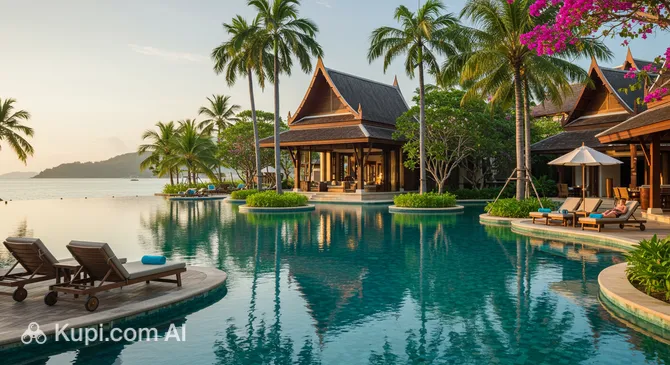
Among the popular options is the Serenity Phuket resort, which offers comfortable stays. The choice of a specific place depends on your preferences: whether you are looking for privacy in a private villa, active recreation with access to water sports, or a quiet stay in a cozy hotel. Areas along the main road leading to the beaches usually offer more cafes and shops within walking distance.

Serenity Phuket. Illustration.
Source: Kupi.com AI

Traveler photos:

When planning your trip, especially during the high season (usually from November to April), it is recommended to book your accommodation in advance. This will allow you to choose the best option in terms of price and quality, and avoid a situation where all suitable places are already occupied. Accommodation prices range from budget to premium, depending on the type of housing, its location, and the amenities provided. Booking is easy to do through popular online platforms or directly on the websites of hotels and villas.

Nearby Cities

For those looking to explore the surroundings, Rawai serves as an excellent starting point for day trips to several interesting nearby locations:

CityPopulationDistance
Phuket77 61010 km
Ban Charoen Mueang8 53411 km
Patong19 34611 km
Kathu26 07811 km
Ko Phi Phi2 50049 km

Among the closest cities, Phuket Town, located just 10 km away, attracts visitors with its charming Sino-Portuguese architecture, colorful street markets, and cozy cafes. It's a great place to immerse yourself in the island's history and enjoy the urban atmosphere.

If you are ready for a longer journey, Surat Thani (183 km) can be your gateway to the famous islands of the Gulf of Thailand, such as Samui, Phangan, and Tao, or to stunning national parks like Khao Sok. The city itself is an important transport hub and offers a glimpse into authentic Thai life.

Another interesting option is Nakhon Si Thammarat (192 km), one of Thailand's oldest cities with a rich cultural heritage. Here you'll find the famous Wat Phra Mahathat Woramahawihan temple, an important center of Buddhism, and you can also explore local crafts and traditional cuisine.

These nearby destinations provide an insight into the diverse culture and landscapes of the region.

Shopping & Souvenirs

Shopping in Rawai offers tourists a chance to immerse themselves in a calmer and more authentic atmosphere compared to Phuket's major tourist centers. Here you won't find giant malls, but you can enjoy shopping in small boutiques and colorful markets, and discover unique locally produced goods. Rawai is famous for fresh seafood, pearl jewelry, and the opportunity to purchase original souvenirs.

The main shopping spots in Rawai are concentrated along the main road—Viset Road—as well as on the streets leading to popular beaches like Rawai and Nai Harn. In these areas, you will find many small shops offering beachwear, souvenirs, Thai cosmetics, pharmacies, and minimarts. Strolling through these streets allows you to leisurely choose gifts and necessary items.

In Rawai itself, there are no large modern shopping centers. This area is more focused on small private shops and markets. If you are looking for shopping in big malls with international brands, cinemas, and food courts, you should head to larger cities in Phuket, such as Patong or Phuket Town, which can be reached by taxi or rental transport.

One of the main "shopping gems" of Rawai is the famous Sea Gypsy Market. This place is a must-visit if you want to buy the freshest seafood—from fish and shrimp to lobsters and oysters. Right here, in the neighboring cafes, they can cook your purchase for you. In addition to seafood, you can find pearl jewelry, shells, and other local souvenirs at the market. Rawai also has small morning markets where locals sell fresh fruits, vegetables, and prepared food.

As souvenirs from Rawai and Thailand in general, you should look for natural pearl products (Rawai is historically linked to pearl harvesting), high-quality coconut oil, natural Thai cosmetics, and spa products (soaps, scrubs, aromatic oils). Silk products, light summer clothing, dried exotic fruits, spice sets, ceramics, and various handmade crafts, including elephant figurines and Buddha images, are also popular.

Shop opening hours in Rawai can vary. Most small shops and souvenir stalls are open from about 10:00-11:00 AM until 6:00-8:00 PM, and some tourist-oriented ones may close even later. Markets, especially food markets, often start operating early in the morning. As for payment, cash (Thai Baht) is preferred in small shops, markets, and with street vendors. Larger shops, pharmacies, and some restaurants accept Visa and Mastercard.

Foreign tourists shopping in Thailand can use the VAT Refund for Tourists system. To do this, you must make purchases of at least 2,000 Baht in one store on one day, provided the store participates in the program (look for the special "VAT Refund for Tourists" sign). When purchasing, you will need to fill out a special form (P.P.10) and present it along with the receipts and the goods at the airport when leaving the country. The refund amount is usually about 7% of the item's cost.

Reached the end of the page?

That means the route is fully explored