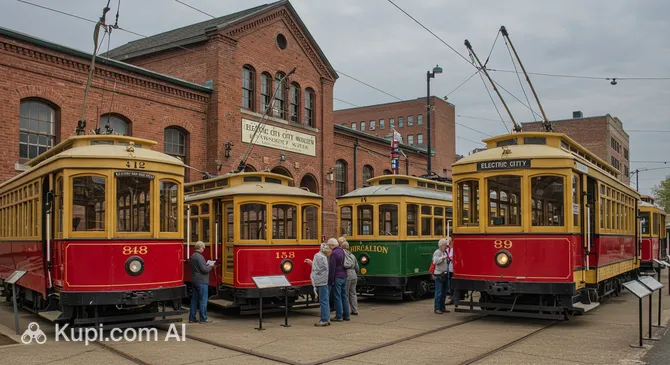
The Electric City Trolley Museum is a unique space where the history of public transportation comes to life. Located in Scranton, this specialized museum is dedicated to the era when electric rail cars were the primary mode of travel in the USA. The crown jewel of the collection is the meticulously restored trolleys that once operated on the Lackawanna and Wyoming Valley lines.
Electric City Trolley Museum. Illustration.
Source: Kupi.com AI
Traveler photos:
The museum holds an important place in the region's cultural landscape, highlighting Scranton's status as an industrial hub. Here, visitors can see more than just machines; they are true monuments of engineering that preserve the atmosphere of the early 20th century. The museum building is located in close proximity to other iconic landmarks, forming a complete cluster for history and technology buffs.
This destination is perfect for families, offering an educational experience for both adults and children. High ratings and positive traveler reviews confirm that immersing oneself in the world of retro transport leaves a lasting impression on every guest.
Contacts
To confirm current trolley schedules or plan group tours, you can use the organization's official contact details.
The main adventure awaiting guests in Scranton is the chance to not just see history, but to literally touch it. Visitors can step inside authentic trolley cars, explore their inner workings, and examine vintage control mechanisms and interior finishes that are a far cry from modern transportation.
The most popular activity is riding a real vintage trolley. For an additional fee, you can embark on an exciting journey along a route that passes through mountains and old tunnels. This is a unique chance to feel the rhythm of travel from a century ago and enjoy the surrounding scenery from the window of a historic rail car.
The museum itself features many interactive exhibits telling the story of how electricity transformed city life. After touring the equipment, you can walk along the Lackawanna River Heritage Trail or stop by the nearby market. For those who want to get the most out of their trip, combining your visit with a steam train ride at the adjacent national historic site is a great idea.
Getting There
The museum is located in the heart of Scranton at 300 Cliff St. If you are traveling by car, getting there is easy, and convenient parking is available nearby. The drive from the nearest airport, Wilkes-Barre/Scranton (AVP), takes about 25 minutes via I-81.
For those who prefer public transport, city bus routes serve the downtown area, from which the museum is within walking distance. Taxis or rideshare services are also popular options to quickly reach the exhibition from anywhere in the city.
Outdoor enthusiasts can use the scenic Lackawanna River Heritage Trail, which passes just 400 meters from the building. If you are coming from New York City, the intercity bus ride takes about two hours, making Scranton an excellent option for a weekend getaway.
Nearest city: Scranton
History & Facts
The history of this site is inextricably linked to the industrial boom Scranton experienced at the turn of the 20th century. Thanks to the early adoption of electric transport and the construction of powerful power plants, the city earned the proud nickname "Electric City". The museum's collection is based on rail cars from the famous Lackawanna and Wyoming Valley lines, which once served as the region's primary transportation artery.
During the era of the rapid coal industry growth, trolleys played a key role, connecting mining settlements with factories and residential neighborhoods. However, with the advent of the personal automobile, many lines were closed. The museum was founded by a group of enthusiasts and volunteers who aimed to save unique pieces of equipment from destruction and preserve the memory of the "golden age" of electric transport in Pennsylvania.
The museum's exhibits allow visitors to trace the evolution of urban transport: from primitive horse-drawn cars to electric cars that were high-tech for their time. Every restored trolley here is not just a machine, but a witness to the significant social and economic changes in the lives of American workers of that era.
Time Needed
To leisurely explore the main exhibition in Scranton, most tourists need about 1–2 hours. This is enough time to examine the vintage cars, read the historical information, and take commemorative photos with the most striking exhibits.
If you plan to include a vintage trolley ride in your visit, we recommend budgeting an extra hour. Considering a visit to nearby sites like Steamtown, it is best to set aside half a day to fully explore this historic cluster.
Working Hours
The museum welcomes visitors daily: from Monday to Sunday, the doors are open from 9:00 AM to 4:00 PM. This convenient schedule allows you to plan your visit on both weekdays and weekends.
Nevertheless, it is recommended to check the official website before your trip, as hours may change during holidays or special events. It is also worth checking the trolley ride schedule in advance, as runs may depend on weather conditions and the season.
09:00–16:00
Nearby
A walk around the museum area will allow you to dive deeper into the region's industrial heritage and discover many other interesting locations. Scranton offers a unique blend of historical monuments, modern entertainment, and scenic parks, all located within walking distance of each other.
Exploring nearby sites will help you get a complete picture of the development of technology and culture in this corner of the USA. Below are the most significant places worth visiting.