Support

Hanoi Museum

About

The Hanoi Museum, also known as the Vietnam Military History Museum or the Army Museum, is one of the seven national museums of Vietnam and is a landmark destination for anyone interested in history. Located in the heart of the capital, Hanoi, in the Ba Dinh District, this museum attracts visitors with its rich collection and deep immersion into the country's past.
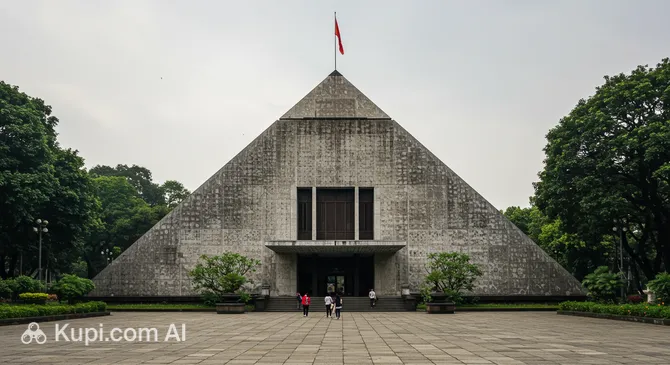
Hanoi Museum. Illustration.
Source: Kupi.com AI

Traveler photos:

The museum's main exhibition is dedicated to the military path of the Vietnamese Armed Forces. Here, you can see an impressive variety of exhibits: from examples of Soviet and Chinese military equipment to captured American and French weapons. Each display case and every artifact tells its own unique story, providing a better understanding of important stages in the country's history.

The museum's location gives it a special atmosphere. The complex is situated on the site of the former Imperial Citadel of Thang Long, which has been included in the UNESCO World Heritage list since 2010. Thus, visiting the museum is not only about learning military history but also about touching the ancient walls of one of Hanoi's most important cultural monuments.

Contacts

For the most up-to-date information on opening hours, ticket prices, and scheduled events at the Hanoi Museum, it is recommended to visit the official website. There you can find details to help you plan your visit.

How to contactContact
AddressĐ. Phạm Hùng, Mễ Trì, Nam Từ Liêm, Hà Nội 100000, Vietnam
Phone number+84 24 6287 0604
Websitebaotanghanoi.com.vn

What to Do

Immerse yourself in Vietnam's military history by exploring the extensive collection of the Hanoi Museum. Here, you can closely examine various examples of military equipment and weaponry from different countries around the world. These exhibits vividly illustrate the different periods and military conflicts in which Vietnam participated, providing a unique opportunity to gain a deeper understanding of the country's past.

A mandatory part of the visit is the famous Flag Tower, which is part of the museum complex. Climb to its observation deck for breathtaking panoramic views of Hanoi and its surroundings. This tower is not just a viewpoint but a historical witness: one of the few structures of the citadel that survived the destruction of the late 19th century, making the climb especially significant.

In addition to the military exposition and the tower, you will find other historical treasures on the museum grounds. Take note of the preserved foundation of the ancient Kinh Thien Palace, which gives an idea of the former grandeur of this site. Also, don't miss the impressive staircase with railings decorated with skillful stone dragons, and the well-preserved South (Doan Mon) and North Gates, which once served as the entrance to the citadel.

Getting There

The Hanoi Museum is conveniently located in the Ba Dinh District of Hanoi, at 28A Dien Bien Phu Street. This is the central part of Vietnam's capital, making the museum easily accessible for tourists exploring the city. Its location allows you to easily include a visit to the museum in your Hanoi itinerary.

To help you find your way, the museum is located near iconic landmarks such as Hoan Kiem Lake. Additionally, Lenin Park is nearby and can serve as an excellent reference point. The Ba Dinh District itself, where the museum is located, is known for its picturesque architecture preserved from the French colonial era, so a walk to the museum can be a pleasure in its own right.

There are several ways to reach the Hanoi Museum. One of the most popular options for tourists is a taxi or the more exotic motorcycle taxi (xe om), especially if you are coming from a more distant part of Hanoi. You can also use city buses, many of which pass through the Ba Dinh District or stop nearby. We recommend checking current routes and bus numbers in advance to ensure your trip is as comfortable as possible.

Nearest city: Hanoi

History & Facts

The history of the Hanoi Museum, also known as the Vietnam Military History Museum, dates back to a period when exhibitions were organized to maintain the morale of the Vietnamese military. The museum officially opened on a significant day – the 15th anniversary of the founding of the People's Army of Vietnam in 1959. The creation of this important cultural and historical site was initiated by the President of Vietnam, Ho Chi Minh, highlighting its national importance from the very beginning.

The museum's location is a historical treasure in itself. It is situated on the grounds of the Imperial Citadel of Thang Long, which has undergone several stages of recognition: in 2007 it was declared a state architectural monument, and in 2009 it received national monument status. This culminated in the citadel's inclusion in the UNESCO World Heritage list in 2010, further emphasizing the unique and significant setting of the museum's displays.

Striving to keep up with the times and expand its audience, the Hanoi Museum marked its 50th anniversary by launching an official website. This step was aimed at promoting the museum's activities and providing broader access to information about its collections and events. Furthermore, the museum grounds still hold many secrets: experts believe that many ruins of the ancient royal citadel are hidden underground, waiting to be discovered and explored, promising exciting new findings in the future.

Time Needed

When planning a visit to the Hanoi Museum, you should allow approximately 2-3 hours for a fairly thorough look at the main exhibition. This time is usually enough to explore the indoor halls dedicated to Vietnam's military history, examine the equipment and weapons on display, and read the information boards.

However, if you want to dive deeper into history, carefully study each exhibit, read all descriptions, and enjoy the atmosphere of the place, your stay may be longer. For example, climbing the Flag Tower and viewing the surroundings from its observation deck can take an additional 30-40 minutes. It is also worth considering time for a walk around the museum grounds, where the remains of the ancient citadel and large-scale outdoor military equipment are located.

Thus, for a leisurely and thoughtful visit, including all the main areas of the Hanoi museum, it is best to set aside about half a day. This will allow you to see all the objects of interest without rushing and get the most out of your visit.

Working Hours

The Hanoi Museum welcomes visitors during the following hours: the museum is open for visits from Tuesday to Sunday. The morning session lasts from 8:00 to 11:00, and after a lunch break, the museum reopens its doors from 13:00 to 16:00. It is important to remember that Monday is a closing day, so be sure to take this into account when planning your visit.

Usually, advance booking for individual tourists at the Hanoi Museum is not required. However, if you plan to visit with a large group or during the peak tourist season, it is recommended to check this in advance. The museum generally operates year-round according to the specified schedule, but it is always useful to check for any changes related to public holidays or special events. The latest information can be found on the museum's official website or at tourist information centers in Hanoi.

DayOpening hours
MondayClosed
Tuesday8:00 – 11:30, 1:30 – 17:00
Wednesday8:00 – 11:30, 1:30 – 17:00
Thursday8:00 – 11:30, 1:30 – 17:00
Friday8:00 – 11:30, 1:30 – 17:00
Saturday8:00 – 11:30, 1:30 – 17:00
Sunday8:00 – 11:30, 1:30 – 17:00

Nearby

After a fascinating dive into history at the Hanoi Museum, don't rush to leave this interesting area of Hanoi. Exploring the surroundings can significantly enrich your travel experience, revealing new facets of Vietnam's capital and allowing you to see more than just one landmark.

Near the museum, there are several other notable sites that may interest travelers. From ancient pagodas and historical museums to parks and modern shopping centers — everyone will find something to their taste, complementing their cultural program with new discoveries and making their stay in Hanoi even more rewarding.

NameDistance
Thu Le Park3 km
Vietnam Military History Museum3.3 km
Vietnam Museum of Ethnology3.6 km
Hà Đông Mall4.2 km
Air Force and Air Defense Museum4.6 km
VNAHOMES Aparthotel5.3 km
VNAHOMES Serviced Apartments5.3 km

Have you reached the end of the page?

So the route has been studied inside and out