Support

Salatiga

About

Salatiga is a cozy city on the island of Java, in Indonesia, often referred to as "Little Holland." Situated at the foot of the majestic Merbabu volcano, it charms visitors with its fresh, cool climate and picturesque green landscapes, creating a special atmosphere of tranquility and harmony with nature.
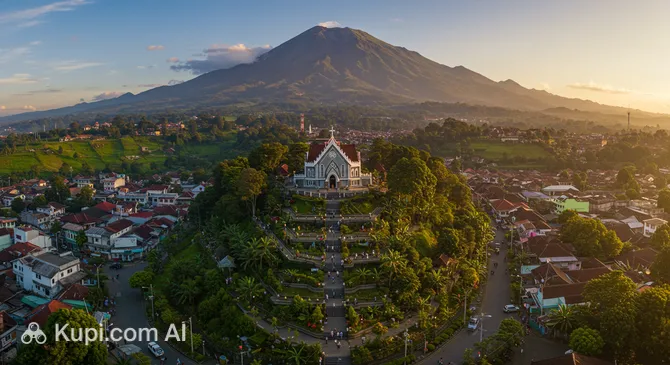
Salatiga. Illustration.
Source: Kupi.com AI

With a population of about 175,000 people, Salatiga is an important administrative center in the Central Java region. Despite its status, the city has managed to preserve the unique charm and coziness of a provincial town with a rich history and distinctive culture, making it particularly attractive to travelers.

Salatiga draws tourists with the opportunity to immerse themselves in authentic Javanese culture, enjoy stunning natural views, and explore the surroundings of the Merbabu volcano, which are ideal for trekking and outdoor enthusiasts. In the city, it is definitely worth taking a stroll through its shady green parks and, of course, trying a variety of traditional Indonesian dishes in local cafes and small restaurants.

If you are looking for a place to take a break from the hustle and bustle of large metropolises, get to know the real Indonesia, and enjoy its natural beauty, Salatiga will be a pleasant discovery for you. This city is also an excellent starting point for further travels throughout the central part of Java. Come and discover this amazing and hospitable corner of Indonesia!

You can find more interesting facts on the history of Salatiga page.

Weather Overview

The weather in Salatiga is characterized by a warm and humid equatorial climate throughout the year. Temperatures here usually range from nightly minimums around 20-22°C to daily maximums around 27-30°C, with monthly averages staying in the 24-26°C range. The city features a distinct wet season, lasting roughly from November to April, when the highest amount of precipitation occurs and the maximum number of rainy days is observed. A drier period falls between June and September, characterized by less rainfall and a higher number of sunny days. For a more detailed study of weather conditions and forecasts by month, you can visit the Climate of Salatiga page.

Average monthly temperature

Average monthly precipitation

Interesting Facts

In addition to its picturesque landscapes and hospitable residents, Salatiga holds many fascinating secrets and little-known facts. This city in Indonesia is a real treasure box of surprises for the curious traveler.

  • Some corners of Salatiga still preserve the atmosphere of the colonial era. The city was once an important administrative and trading post, and traces of Dutch influence can be found in its architecture, telling stories of the past.

  • Salatiga is a shining example of religious harmony. Here, you can see not only mosques but also active Buddhist and Hindu temples, reflecting centuries of cultural intermingling and the tolerance of local residents.

  • The city is famous for its colorful traditional festivals. During celebrations, the streets are filled with the sounds of gamelan music, and residents in national costumes participate in processions, reviving ancient Javanese customs.

  • The surroundings of Salatiga are shrouded in many local legends about spirits and mythical creatures. These tales, passed down through generations, add a special mystery to the place and attract folklore enthusiasts.

How to Get There

Salatiga is conveniently located in the heart of Central Java, strategically close to several of Indonesia's major transport hubs. Although the city itself does not have an airport or a railway station, getting here is quite easy from neighboring metropolises. You can explore all available routes and details on the how to get to Salatiga page.

Since Salatiga does not have its own airport, travelers usually fly into one of the nearby cities. The most convenient option is Adisumarmo International Airport (IATA: SOC) in Solo (Surakarta), located just 33.5 km from Salatiga. A taxi or bus ride from there takes about 1 hour and 10 minutes. This is an excellent choice for those looking to minimize ground travel time.

An alternative and very popular option is Ahmad Yani International Airport (IATA: SRG) in Semarang. It is approximately 42.2 km from Salatiga, and the drive takes about 1.5 hours. Many tourists also choose to fly into Yogyakarta International Airport (IATA: YIA), located in Yogyakarta (80.7 km). Although the journey from there takes about 2.5 hours, this airport handles many international flights and can be convenient for planning complex itineraries.

For your convenience, here is a summary of the main airports:

AirportPassenger trafficDistance
Adi Sumarmo International Airport1.2 mln34 km
Achmad Yani International Airport2.3 mln42 km
Yogyakarta International Airport4.3 mln81 km
Dhoho International Airport1.5 mln166 km
Juanda International Airport14.0 mln251 km

Regarding rail travel, there is no train station in Salatiga itself. However, this is not an issue for tourists, as excellent railway hubs are located in the neighboring cities of Semarang and Solo. You can take a train to a station in one of these cities and then transfer to a bus, shuttle (travel), or taxi to cover the remaining distance in 1–1.5 hours.

Intercity buses and shuttles are also common ways to reach Salatiga. The city is situated on the main road connecting Semarang and Solo, so bus service is very active and regular.

Main Attractions

Salatiga, a charming city in Central Java, Indonesia, offers its guests several notable spots that combine natural beauty, cultural heritage, and a peaceful atmosphere. Although Salatiga may not be as widely known as major tourist hubs, it has its own unique corners worth exploring.

One of the most famous places near Salatiga is Bukit Cinta, which translates to "Hill of Love." This hill offers magnificent panoramic views of Lake Rawa Pening and the surrounding landscapes. It is a popular spot for locals and tourists alike who wish to enjoy the beauty of nature, take beautiful photos, and perhaps hear local legends associated with its romantic name.

Lake Rawa Pening itself is a vast natural lake that plays an important role in the region's ecosystem. Tourists can enjoy boat trips across its waters, observing the traditional life of fishermen and a variety of aquatic plants, including the famous floating islands of water hyacinth. The lake is particularly picturesque at sunrise or sunset, offering peaceful views.

For those interested in history and architecture, the old buildings in the city center are worth noting. Among them, GPIB Tamansari Salatiga, also known as Gereja Blenduk Salatiga, stands out (although "Blenduk" is more commonly associated with a church in Semarang, old churches in the region hold similar significance). This Protestant church is one of the city's historical symbols, reflecting the colonial past and the architectural styles of that era. Its calm atmosphere and historical importance attract those interested in culture.

Another interesting location is the Senjoyo Spring (Sumber Mata Air Senjoyo). This is a natural spring with clean, cool water that is revered by locals and used for bathing and relaxation. A visit to Senjoyo provides an opportunity not only to freshen up but also to connect with local traditions and enjoy natural silence away from the city's noise.

Local Cuisine

The gastronomic scene in Salatiga is an exciting journey into the world of Javanese cuisine, where centuries-old traditions harmoniously blend with modern culinary trends. The city offers tourists a unique opportunity to experience the authentic flavors of Central Java, enjoy a variety of dishes, and discover new culinary horizons.

Be sure to try "Nasi Goreng"—fragrant fried rice with various toppings, which is a signature dish of Indonesian cuisine and can be found everywhere here. Equally noteworthy is "Sate"—appetizing skewers of chicken or meat served with a thick and savory peanut sauce. And, of course, you shouldn't miss "Gudeg"—a unique dish made of stewed young jackfruit with coconut milk and spices, considered a culinary symbol of the region.

The dining culture in Salatiga is very casual. Local residents and tourists alike enjoy eating in small, cozy cafes and restaurants, as well as right on the street, where numerous stalls offer the freshest street food. Street markets are a real kaleidoscope of tastes and aromas, where you can try fresh tropical fruits, various snacks, and traditional sweets, such as sweet rice cakes. The city is also known for its food festivals, where you can dive deeper into the culinary traditions of Indonesia.

Among drinks, coffee is particularly popular in Salatiga. There are many cozy coffee shops where you can enjoy a cup of aromatic coffee made from local bean varieties. For instance, connoisseurs are recommended to try the coffee at Gunthem Premium Coffee. Freshly squeezed juices from exotic fruits and various refreshing drinks based on coconut milk are also always available. While information on specific local alcoholic drinks is limited, restaurants and bars usually offer a standard selection of beer and other imported beverages.

Salatiga's gastronomy is not just food; it is an important part of the local culture, offering vivid impressions and unforgettable flavors. From hearty main courses to aromatic coffee and exotic fruits, everyone will find something to their liking, making the culinary experience in Salatiga one of the most pleasant memories of the trip.

Travel Tips

Welcome to Salatiga! To make your trip to this charming city in Central Java as comfortable and pleasant as possible, we have prepared some practical tips. They will help you navigate better and enjoy everything Salatiga has to offer.

  1. Clothing and Essentials:

    Salatiga is located in a mountainous area, so the climate here is cooler than on the Javanese coast, especially in the evenings and mornings. During the day, it is usually warm and sunny. Bring light, breathable clothing (cotton, linen) for daytime walks, but be sure to pack a light jacket or sweater for the evenings. Comfortable walking shoes are your best friend, as the city is conducive to exploration on foot. Don't forget sunscreen, a hat, and sunglasses. For visiting temples and mosques, choose modest clothing that covers your shoulders and knees. A universal adapter for charging your devices will also come in handy.

  2. Transport:

    It is convenient to get around Salatiga by motorcycle taxi (ojek) or car taxi, which are easy to order through apps popular in Indonesia, such as Gojek or Grab. This is the most common and efficient way. There are also local minibuses known as "angkot", but their routes can be difficult to understand without knowing the language. Renting a car may be unnecessary for getting around the city itself but useful if you plan to explore the surroundings. Remember that traffic is on the left.

  3. Finance:

    The local currency is the Indonesian Rupiah (IDR). It is better to exchange money at official exchange offices or banks; avoid street money changers. Credit and debit cards are accepted in large hotels, restaurants, and some shops, but cash is always useful for small purchases, markets, and local transport. ATMs are quite common. Check with your bank about fees for withdrawing cash abroad. Tipping is not mandatory but very welcome—usually, rounding up the bill or leaving 5-10% in restaurants is sufficient.

  4. Health and Safety:

    Pharmacies ("apotek") are easy to find in the city, and some may be open 24 hours. Basic medicines are available without a prescription. For serious medical assistance, contact local hospitals or clinics; it is recommended to have travel insurance. Salatiga is considered a relatively safe city. However, as elsewhere, follow basic precautions: keep an eye on your belongings, especially in crowded places, and avoid walking alone in poorly lit areas late at night. Drink only bottled water.

  5. Communication:

    The main language is Indonesian (Bahasa Indonesia), and Javanese is also widely spoken. English is understood in tourist areas, hotels, and among young people, but knowing a few phrases in Indonesian will be very helpful and appreciated by locals. For example: "Terima kasih" (Thank you), "Selamat pagi/siang/malam" (Good morning/afternoon/evening), "Permisi" (Excuse me). A local SIM card with internet access can be easily purchased. Wi-Fi is available in most hotels, cafes, and restaurants. Useful apps: Gojek/Grab (transport, food delivery), Google Maps, Google Translate.

  6. Local Etiquette:

    Indonesians are very friendly and polite. A smile and a friendly "Halo" (Hello) or "Permisi" (Excuse me, when passing by) are always appropriate. When giving or receiving something, use your right hand (the left is considered unclean). Avoid pointing at anyone or anything with your index finger; it's better to use your thumb or your whole hand. Do not touch people's heads, including children's, as the head is considered sacred.

  7. What to Avoid:

    Public displays of strong emotions, especially anger, are considered bad form. Try to stay calm even in controversial situations. Also, avoid open criticism or arguing in public. If problems arise, resolve them politely and with restraint.

  8. Additional Tip:

    Salatiga is a city with a special atmosphere, known for its pleasant cool climate and relaxed pace of life. Don't miss the chance to try local cuisine at an "angkringan" (traditional street food carts) or visit local markets to experience the true flavor of the city. The city is also an excellent starting point for exploring nearby natural beauties, including the Merbabu volcano.

We hope these tips help you plan an unforgettable trip to Salatiga. Enjoy the hospitality, culture, and beauty of this unique Indonesian city!

Entertainment & Nightlife

Nightlife in Salatiga differs significantly from the loud parties of Bali or Jakarta. It is a quiet and cozy city in Indonesia, where evening entertainment is centered around social interaction, music, and gastronomy. Here, you won't find massive nightclubs with world-class DJs, but you can immerse yourself in the authentic atmosphere of Indonesian leisure known as "nongkrong"—long hangouts with friends in coffee shops and food courts.

The center of attraction as dusk falls is Pancasila Square (Alun-Alun Pancasila). This is the heart of the city, where life buzzes until late at night. People come here to try street food from traditional mobile stalls (angkringan), ride brightly neon-decorated pedal cars, and simply enjoy the cool mountain air. The atmosphere here is very casual and family-friendly, so the dress code is completely relaxed—neatness is all that matters.

If you are looking for a place with music and drinks, look for the many cafes with live performances and karaoke bars, which replace classic clubs here. Establishments in the Jalan Diponegoro area are quite popular. You can find modern coffee shops and lounges here that stay open late. For example, check out 1915 Arts Koffie Huis—an atmospheric spot in a historical building perfect for a quiet evening—or visit one of the local karaoke clubs (Family KTV), where you can rent a room and sing until morning.

Prices in Salatiga's establishments will pleasantly surprise even budget travelers: the average check for dinner with drinks is significantly lower than in major tourist centers. Most places close around midnight or 1:00 AM, so it is better to start your evening earlier, around 7:00–8:00 PM. The crowd in bars and cafes mostly consists of local students and young people who are very friendly toward foreigners.

In terms of safety, Salatiga is considered one of the calmest cities in the region. Night walks through the center and well-lit streets pose no threat, but you should still follow standard precautions and keep an eye on your personal belongings. For nighttime travel, it is best to use official taxi services or the ride-hailing apps popular in Asia for cars and motorbikes, as public transport stops running quite early.

During the day, the city offers more traditional leisure activities. Fans of active recreation should visit the Atlantic Dreamland amusement park with its water slides and rides. Those who prefer nature and tranquility will enjoy a walk in the foothills of Mount Merbabu or a visit to local museums and galleries that tell the story of the colonial past of this unique corner of Java.

Parks & Museums

Salatiga, nestled in Central Java, Indonesia, offers its guests a pleasant combination of outdoor recreation and immersion in local culture. The city boasts well-maintained green zones as well as interesting spots to learn about its history and heritage.

The heart of social life in Salatiga is often Alun-Alun Pancasila Salatiga. This central square is not just an open space, but a place for meetings, strolls, sports, and local festivals and events. Surrounded by greenery, it is a great spot to observe the daily life of the city's residents. Another popular green area is Taman Kota Salatiga (Salatiga City Park), which offers residents and tourists a place for relaxation, picnics, and outdoor activities. Due to its location in a hilly area, the surroundings of Salatiga also offer picturesque routes for hiking.

While Salatiga may not be overflowing with large world-class museums, its cultural heritage is clearly visible in its colonial architecture. Walking through the city, you can find well-preserved buildings from the colonial era—former administrative offices, churches, and residences that stand as silent witnesses to history and give the city its special charm. For a deeper dive into the region's history, especially for fans of machinery and railroads, consider a trip to the nearby town of Ambarawa, home to the famous Ambarawa Railway Museum (Museum Kereta Api Ambarawa). Here, you can see a collection of vintage steam locomotives and learn about the history of rail transport in Java.

To truly feel the atmosphere of Salatiga, be sure to visit the local markets (pasar). Life is buzzing here, with fresh fruits, vegetables, aromatic spices, and handmade crafts for sale. It is a fantastic place to experience the local flavor and purchase souvenirs. Don't miss the chance to try local dishes in small street cafes (warungs)—this will allow you to get acquainted with the authentic tastes of Central Java and see the everyday life of its inhabitants.

Getting Around

Getting around Salatiga is possible using several types of public transport, which offer both local and more modern solutions for trips around the city and its surroundings. The system is quite simple and primarily focused on flexible routes and accessibility.

The main form of public transport in Salatiga is the shared taxi, known as "angkot." These are small minibuses or minivans that run along specific, though not always strictly fixed, routes. Passengers can stop an angkot with a wave of a hand almost anywhere and similarly ask the driver to stop for drop-off. Angkots usually do not have a set schedule; they depart as they fill up or at certain intervals.

Also, like in many Indonesian cities, motorcycle taxis called "ojek" are very popular in Salatiga. They can be found at special stands, on the streets, or more conveniently and safely, ordered through popular mobile apps (such as Gojek or Grab). This is a fast and maneuverable way to get around, especially for short distances or to bypass traffic.

For more traditional and leisurely travel over short distances, bicycle rickshaws, or "becak," can still be found in some areas of the city. This is a colorful but gradually disappearing mode of transport.

As for the payment system, in angkots and becaks, payment is made primarily in cash directly to the driver. The fare in an angkot is usually fixed or depends on the distance, and it is very affordable. For ojeks ordered through an app, payment can be made either in cash or via a non-cash method through the app itself. There are generally no unified travel cards or complex tariff systems for public transport in Salatiga.

Practical Tips for Tourists: Always have small cash on hand to pay for fares in angkots. Before boarding an angkot, don't hesitate to clarify with the driver or other passengers if it is heading in your desired direction. Mentioning major landmarks or street names will help the driver understand your destination. Mobile apps for ordering ojeks and taxis significantly simplify communication and determining the fare in advance. Public transport usually runs most actively during the day; in the evening, the frequency of service may decrease.

Alternatives to Public Transport: In addition to ojeks, regular taxis (cars) can also be ordered through mobile apps. This is a more comfortable but also more expensive way to travel. Renting a scooter can be a good option for those who feel confident driving and want more freedom to explore the city and its picturesque surroundings. In the central areas of Salatiga, it is also quite comfortable to move around on foot while viewing local attractions.

Accommodation

When planning a trip to Salatiga, you will find a variety of accommodation options to suit different preferences and budgets. The city features everything from affordable guesthouses and hostels to more comfortable mid-range hotels. You can also consider renting apartments or rooms, which is particularly convenient for long stays or family travel.

When choosing a place to stay, it is worth looking at areas close to major transport hubs or the attractions that interest you. The central part of the city generally offers easy access to shops, restaurants, and some iconic sites. If you are looking for a quieter atmosphere, you might consider options on the outskirts, which still provide convenient access to the center.

While specific hotel names may vary, Salatiga offers a choice ranging from cozy family-run inns to larger hotels with a wide range of services. It is recommended to check reviews and ratings on popular booking platforms to find the best option.

Booking Tip: Especially if your trip falls during the peak tourist season or public holidays, it is recommended to book your accommodation in advance. This not only guarantees availability but often allows you to secure better rates. Most hotels and guesthouses in Salatiga are available for booking through popular online platforms like Booking.com and Agoda, or directly through hotel websites. The price range varies from budget options to mid-range and higher-class rooms, allowing you to select accommodation that fits your financial means.

Nearby Cities

For those who wish to explore the surrounding area, Salatiga serves as an excellent starting point for day trips to several interesting nearby locations.

Among them, Semarang stands out—a major port city and the administrative center of Central Java with a rich colonial history and bustling streets; Solo (Surakarta), known as a hub of Javanese culture for its traditional palaces (kratons) and batik art; and Yogyakarta, the recognized cultural capital of Java, from where it is easy to reach the world-famous Borobudur and Prambanan temple complexes (though the temples themselves are outside the city limits, Yogyakarta is the main base for visiting them). These cities offer a unique immersion into the history, culture, and modern life of Indonesia.

CityPopulationDistance
Ambarawa63 19314 km
Magelang124 91236 km
Semarang1 621 38440 km
Solo552 11844 km
Yogyakarta422 73254 km

These nearby destinations allow for a deeper acquaintance with the diverse culture, history, and natural landscapes of the Central Java region.

Shopping & Souvenirs

Salatiga, a charming city in Central Java, may not be a major shopping mecca in Indonesia, but it offers unique opportunities for those seeking authentic goods and local flavor. Here, you are more likely to find traditional markets and small shops than massive modern malls. The city is famous for its fresh produce as well as the works of local artisans.

Main shopping areas in Salatiga are concentrated along major streets such as Jalan Jenderal Sudirman or Jalan Diponegoro. Here, you can find various stores, from small clothing boutiques to electronics and household goods shops. A walk along these streets will allow you to immerse yourself in the city's daily life and perhaps find interesting local items.

While Salatiga might not have giant shopping centers like Jakarta, you can still find several places for more organized shopping. These are usually local department stores or small shopping complexes offering clothing, shoes, accessories, and home goods. One such place is Ramai Salatiga or similar local outlets where you can find both branded and non-branded goods at affordable prices.

Special attention should be paid to the traditional markets (pasar) of Salatiga. These are the heart of local trade and culture. For example, Pasar Raya Salatiga or other local markets offer an abundance of fresh fruits, vegetables, spices, as well as traditional Indonesian snacks and sweets. In the markets, you can also find inexpensive clothing, household utensils, and handmade crafts. It is an excellent place to observe local life and practice bargaining.

As souvenirs from Salatiga, it is worth bringing back batik—traditional Indonesian fabric with unique patterns. These can be finished products (shirts, dresses, sarongs) or simply cuts of cloth. Local sweets are also popular, such as enting-enting gepuk (peanut candies) or wingko babat (coconut cakes). Sometimes you can find interesting wooden crafts or souvenirs reflecting the culture of Central Java.

Most shops in Salatiga are usually open from 10:00 AM to 9:00 PM, while markets start their work early in the morning. In large stores and shopping centers, credit cards (Visa, Mastercard) are accepted; however, in markets and small shops, it is preferable to have cash—Indonesian Rupiah (IDR). ATMs are quite common in the city.

Regarding the Tax Free system, it exists in Indonesia for foreign tourists, but it is typically applied at major international airports and specialized stores in large tourist centers. In Salatiga, finding stores participating in this program can be difficult, but if you make a large purchase in an official store, it is worth asking about this possibility.

Reached the end of the page?

That means the route is fully explored