Support

Tuban

About

Tuban is a charming resort town nestled comfortably on the southern coast of the island of Bali in Indonesia. It is located just a stone's throw from popular Kuta and very close to Ngurah Rai International Airport, making it incredibly convenient for starting a journey around the island.
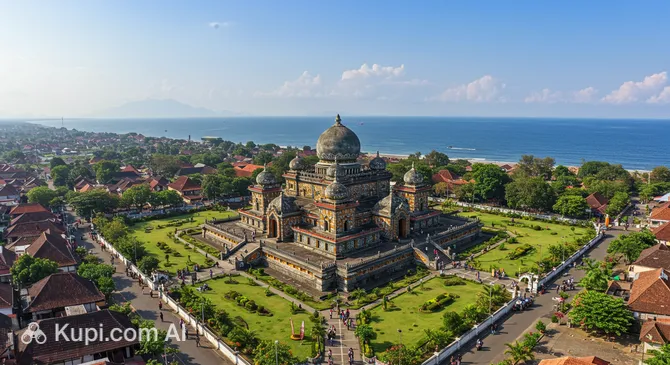
Tuban. Illustration.
Source: Kupi.com AI

Geographically, Tuban offers the best of both worlds: on one side, a gentle sea with spacious sandy beaches perfect for relaxation and water activities, and on the other, lively streets filled with the aromas of exotic spices and fresh fruit. With a population of about 76,000 people, the town maintains an atmosphere of tranquility and hospitality, without turning into a noisy metropolis, yet remaining dynamic and full of life.

Tuban attracts tourists not only with its beaches. Here you can enjoy walks along the waterfront, especially at sunset, visit colorful local markets selling souvenirs and fresh produce, or relax in one of the many cafes. For active travelers, there are opportunities for surfing, and foodies will appreciate culinary masterclasses that introduce Balinese cuisine. The town also serves as an excellent starting point for exploring the cultural and natural riches of Bali.

If you are looking for a place where you can harmoniously combine a relaxed beach holiday with immersion in local culture and the convenience of modern infrastructure, Tuban will be an excellent choice. This welcoming corner of Bali awaits you to provide unforgettable impressions and introduce you to the unique atmosphere of the island.

You can find more interesting facts on the history of Tuban page.

Weather Overview

The weather in Tuban is characterized by a tropical climate, which means consistently warm temperatures throughout the year and a distinct separation into wet and dry seasons. Expect daytime temperatures to fluctuate in the range of approximately 24°C to 31°C. The wet season usually lasts from November to April, bringing a significant amount of rainfall; January, February, and March are particularly rainy months based on the number of days with precipitation. The dry season occurs from May to October, when rainfall noticeably decreases, reaching a minimum in August when there is practically no rain. To better plan your trip, you can check more detailed information about the weather in Tuban.

Average monthly temperature

Average monthly precipitation

Interesting Facts

In addition to its picturesque landscapes and hospitable atmosphere, Tuban hides several surprising features that not all travelers know about. These little-known facts add a special charm to the city and make it even more attractive to curious tourists.

  • A Unique Beach for Seclusion: While Bali is famous for its beaches, the beach in Tuban is considered one of the calmest and cleanest in the south of the island. Unlike busier resorts like Kuta, it is rarely crowded, and the sunsets over the Indian Ocean create a truly magical atmosphere, ideal for romantics and photographers.

  • The City's Monumental Guardian: At the entrance to Tuban, guests are greeted by the impressive Satria Gatotkaca statue. Dedicated to the powerful hero of the ancient Indian epic "Mahabharata," this monument has become not only an unofficial symbol of the city but also a popular spot for commemorative photos, reflecting the region's rich cultural heritage.

  • A Treasure Trove of Balinese Crafts: Tuban is a true paradise for lovers of art and traditional crafts. The town is home to many talented artisans creating authentic Balinese batik fabrics and skillful wood carvings. Many of these items are considered collectible and are highly valued by connoisseurs of Eastern art worldwide.

  • A Gastronomic Adventure with Local Flavor: One of Tuban's hidden gems is its culinary masterclasses. This is not just an opportunity to try exotic dishes, but a chance to immerse yourself in Balinese culture by learning to cook traditional meals under the guidance of experienced local chefs. Such an activity turns into an unforgettable cultural and gastronomic discovery.

How to Get There

The most convenient way to reach the city of Tuban, located in the East Java province of Indonesia, is through one of the nearest international or regional airports. Tuban itself does not have its own airport, so travelers will first need to fly into a nearby major city and then use ground transportation—taxi, rental car, or bus—to reach their destination.

The main international hub for travelers heading to Tuban is Juanda International Airport (SUB), located in Surabaya. The distance from Juanda Airport to Tuban is approximately 98 km. This is a large international airport with high passenger traffic, offering many flights. A trip by taxi or rental car from the airport to Tuban will take about 2.5–3 hours, depending on traffic conditions.

Another option is Dhoho International Airport (DHX) in Kediri. It is located about 96 km from Tuban. This is an international airport, though smaller than Juanda, and may be convenient depending on your route. The journey to Tuban from here also takes roughly 2.5–3 hours.

You can also consider Abdul Rachman Saleh Airport (MLG) in Malang, which is about 136 km from Tuban. This is a regional airport, and the journey from there to Tuban can take about 3.5–4 hours.

For convenience, here is a summary of the main airports used to reach Tuban:

AirportPassenger trafficDistance
Dhoho International Airport1.5 mln96 km
Juanda International Airport14.0 mln98 km
Abdul Rachman Saleh Airport894 000136 km
Adi Sumarmo International Airport1.2 mln158 km
Achmad Yani International Airport2.3 mln184 km

Upon arrival at one of these airports, you can use taxi services, rent a car, or check the schedules for local buses heading towards Tuban. It is recommended to plan your route from the airport to the city in advance, especially if you arrive in the evening or at night.

Main Attractions

Tuban, a city with a rich history on the northern coast of Java, offers travelers several interesting attractions that combine cultural heritage, religious significance, and natural beauty. Here are some of the key places worth visiting:

One of the most striking and recognizable landmarks of Tuban is the Kwan Sing Bio temple. It is considered one of the largest Chinese temples in Southeast Asia. Dedicated to the deity Guan Gong, it impresses visitors with its colorful architecture, intricate ornaments, and a huge crab statue at the entrance, which has become its trademark. The temple is an important spiritual center for the local Chinese-Indonesian community and attracts many tourists with its splendor.

The Great Mosque of Tuban (Masjid Agung Tuban) is not only an important religious building but also an impressive architectural monument. Its unique style combines elements of Javanese, Middle Eastern, and, by some accounts, Indian architecture. High minarets and colorful domes make the mosque visible from afar. This place attracts both believers and architecture enthusiasts wishing to see its unusual beauty and feel the calm atmosphere.

For those interested in the history and spirituality of Indonesia, a must-visit site in Tuban is the Tomb of Sunan Bonang (Makam Sunan Bonang). Sunan Bonang was one of the nine saints (Wali Songo) who played a key role in spreading Islam in Java. His mausoleum is an important pilgrimage site, attracting thousands of believers from all over the country. Here you can touch history and feel the deep spiritual significance of this place.

Nature lovers and seekers of unusual places should pay attention to Goa Akbar (Akbar Cave). This is an extensive natural underground cave with equipped paths for visitors. Inside, you can see whimsical stalactites and stalagmites formed over millennia. The cave offers a fascinating journey into the subterranean world and is a popular spot for locals and tourists seeking cool air and new experiences.

Local Cuisine

The gastronomy of Tuban, located in the East Java province, offers travelers a unique immersion into the world of authentic Indonesian flavors, which differ markedly from the culinary traditions of other regions. The local cuisine is famous for its use of the freshest ingredients, many of which come from local farms and fisheries, as well as its adherence to original recipes passed down through generations. A trip to Tuban promises unforgettable gastronomic discoveries.

Among the dishes that you should certainly try in Tuban to experience the true spirit of East Java is becek menthok—a hearty and aromatic dish made of duck stewed in a thick spicy sauce. Another pride of local culinary art is kare rajungan, tender crab in a rich curry sauce, reflecting the bounty of the coastal waters. For the most curious gourmets, Tuban offers a unique traditional snack called ampo, which, according to legend, is prepared from a special edible clay. Of course, Indonesian classics can be found everywhere: hearty nasi goreng (fried rice with various additions) and aromatic mi goreng (fried noodles).

Popular drinks in Tuban include refreshing juices made from exotic fruits like mango, papaya, pineapple, or guava, which are plentiful here. Locals and tourists also enjoy traditional Indonesian tea and aromatic coffee. Don't miss the chance to try a local version of coffee preparation if offered, or simply enjoy a cup of rich Indonesian coffee.

The food culture in Tuban is very approachable and affordable. Authentic home-style dishes can be enjoyed in warungs—small family-run cafes that are the heart of local gastronomy and offer delicious food at reasonable prices. Street food here is a true adventure: numerous stalls and mobile kitchens offer a wide range of snacks, from savory pastries to freshly prepared main courses. Local markets play a vital role, being not only a place to buy fresh produce, fruit, and spices, but also a spot where you can have a quick and tasty snack while observing the city's daily life.

Tuban's gastronomic scene is a vibrant blend of centuries-old East Javanese traditions, the freshest gifts of the sea and land, and sincere hospitality. Discovering the local cuisine will be an integral and most pleasant part of your journey through this amazing corner of Indonesia, allowing you to better understand the culture and lifestyle of its residents.

Travel Tips

Welcome to Tuban! To make your journey to this charming Javanese city as smooth and pleasant as possible, we have gathered some practical tips. This information will help you better navigate local features and get the most out of your stay.

  1. Clothing and Essentials:

    Given the tropical climate of Indonesia, Tuban is hot and humid year-round. Bring light, breathable clothing made of natural fabrics (cotton, linen). From November to March, the rainy season is possible, so a light raincoat or umbrella won't hurt. Be sure to bring comfortable walking shoes, sunscreen, a hat, and insect repellent. If you plan to visit mosques or other religious sites, choose modest clothing that covers shoulders and knees (a scarf or sarong can be very useful). Don't forget a universal adapter for electrical appliances (Types C and F sockets are used in Indonesia).

  2. City Transport:

    In Tuban, you can get around using local minibuses known as *bemo* or *angkot*. Motorcycle taxis—*ojek*—are also popular and convenient for short trips. For more comfort and price predictability, use ride-hailing apps like Gojek or Grab, which are widespread in Indonesia. Renting a car in Tuban itself might be unnecessary, but if you plan to explore the East Java surroundings, consider renting a car with a driver.

  3. Financial Matters:

    The local currency is the Indonesian Rupiah (IDR). You can exchange money at banks or official exchange offices; avoid street money changers. Credit cards (Visa, Mastercard) are accepted in large hotels and some restaurants, but cash is essential for markets, small shops, and local transport. ATMs are available, but it's better to use those located in bank branches. An approximate daily budget (excluding accommodation and long trips) could be 300,000 - 700,000 IDR. Tipping is not mandatory but appreciated for good service (5-10% in restaurants or simply rounding up the bill).

  4. Health and Safety:

    Pharmacies (*apotek*) are available in the city, but not all are open 24/7. It is recommended to carry a basic first-aid kit. Drink only bottled or boiled water. Tuban is generally considered a safe city; however, standard precautions are wise: keep an eye on your belongings, especially in crowded places, and do not display expensive jewelry. For serious medical assistance, a trip to a larger city might be required. Be sure to take out travel insurance.

  5. Communication and Internet:

    The official language is Indonesian (Bahasa Indonesia), and Javanese is also common. English is understood in tourist spots but not everywhere. Learn a few basic Indonesian phrases: *Selamat Pagi/Siang/Sore/Malam* (Good morning/day/afternoon/night), *Terima kasih* (Thank you), *Permisi* (Excuse me). For easy communication, buy a local SIM card (e.g., Telkomsel or XL Axiata). Wi-Fi is available in most hotels and some cafes.

  6. Local Etiquette:

    Indonesians are very polite and friendly. A smile and a nod are common greetings. When interacting, try to use your right hand to pass items, food, or money, as the left hand is considered unclean. It is customary to remove your shoes when entering a house or a mosque. Try to speak in a calm tone and avoid public displays of anger.

  7. What to Avoid:

    Do not point at people with your finger, as this is considered rude—it's better to use the thumb of a closed fist or your whole palm. Also, avoid overly revealing clothing outside beach areas and excessive public displays of affection, as this may be perceived negatively in a conservative society.

  8. Additional Local Tip:

    Be sure to visit local markets (*pasars*), such as Pasar Besar Tuban. This is a wonderful opportunity to immerse yourself in the authentic atmosphere, try local delicacies, fresh fruit, and, of course, practice the art of polite bargaining. Tuban is also known for its batik—don't miss the chance to purchase unique handmade items.

We hope these tips help you feel more confident and enjoy every moment of your stay in Tuban. This city is ready to share its warmth, hospitality, and unique culture with you. Have a great trip!

Entertainment & Nightlife

Nightlife in Tuban offers a more authentic Indonesian experience compared to major tourist centers. Here you won't find massive world-class nightclubs, but you can immerse yourself in the local atmosphere by visiting cozy venues where the city's residents themselves relax. Evenings in Tuban are quite peaceful, but there are several options for those looking for entertainment after sunset.

The main evening activity is usually concentrated along the city's main streets, such as Jalan Basuki Rahmat or Jalan Panglima Sudirman, as well as in the area of the central square, Alun-Alun Tuban. Here you can find various cafes, local eateries (warung), and small bars. The atmosphere in most establishments is informal and relaxed; there is usually no dress code, and simple, comfortable clothing is welcomed.

Among popular evening activities is visiting local cafes, some of which may offer live music—most often acoustic performances or local bands. Many warungs stay open until late evening, offering traditional Javanese dishes; this is a great way not only to have a delicious meal but also to observe the daily life of the townspeople. While there are few specialized nightclubs in the Western sense in Tuban, places with music and dancing can be found, especially on weekends. It is also worth looking out for possible night markets (pasar malam) if any are organized during your visit—these are vibrant and colorful spectacles with street food and local goods.

Since information about specific venues like bars or clubs often changes, it is best to check the list of recommended places locally with residents or via up-to-date online maps and guides, as we cannot provide specific names with a guarantee of their current status. However, head towards the areas mentioned above—you are more likely to find a suitable spot for evening relaxation there. Look for establishments popular with locals, as this is often a good indicator of quality and atmosphere.

Weekends are best for evening outings when the city is more lively. Prices in Tuban's establishments are generally very affordable. To get around at night, you can use motorcycle taxis (ojek) or regular taxis if available. It is recommended to agree on the price in advance or use ride-hailing apps if they are popular in the region. It's always a good idea to carry some cash, as not all venues may accept cards.

In terms of safety, Tuban is generally considered a peaceful city. However, as elsewhere, standard precautions should be taken at night: avoid poorly lit and deserted streets, especially if you are alone. Keep your valuables with you and do not leave them unattended. If you plan to return late, think about your transportation in advance.

During the day, there is also plenty to do in Tuban. The city has a rich history, so you can visit iconic sites like the Great Mosque of Tuban or the tomb of Sunan Bonang, one of the nine Wali Songo saints who spread Islam in Java. You can also stroll through local markets or relax on one of the beaches in the surrounding areas. For those who enjoy cultural leisure, local craft workshops might be of interest.

Parks & Museums

Tuban, a city on the northern coast of East Java, offers its guests not only picturesque beaches but also the chance to experience the rich history and culture of the region. Here you will find pleasant green corners for relaxation and significant sites that tell the story of the city's past.

Among the green zones where you can relax and observe local life, Alun-Alun Tuban stands out. This is the central city square, a traditional meeting and walking place for residents, often surrounded by small parks. Another popular spot for outdoor relaxation is Boom Beach (Pantai Boom). While it is a coastal area rather than a classic park, it attracts tourists with the opportunity to enjoy the sea breeze, views of the Java Sea, and the local atmosphere, especially at sunset.

To learn about Tuban's history and culture, it is worth visiting the Kambang Putih Museum (Museum Kambang Putih). Its exhibits feature archaeological finds, artworks, and ethnographic collections telling the ancient history of the region, including artifacts from the Majapahit Kingdom era. It is a great place to gain a deeper understanding of the city's past and its role in Indonesian history.

Speaking of architectural and cultural landmarks, one cannot fail to mention the Kwan Sing Bio Temple (Klenteng Kwan Sing Bio). It is one of the largest Chinese temples in Southeast Asia, dedicated to the deity Guan Gong. Its vibrant architecture, detailed decorations, and coastal location make it an impressive sight and an important cultural center.

Another iconic historical site is Makam Sunan Bonang—the tomb of one of the nine saints (Wali Songo) who spread Islam in Java. It is an important pilgrimage site, attracting believers and tourists interested in Indonesia's religious history. The complex around the tomb is also of architectural interest.

For a more authentic experience, stroll through the streets around these attractions. Peek into the local markets to see the daily life of Tuban, or try traditional dishes in small warungs (local cafes)—this will add vibrant color to your journey.

Getting Around

You can get around Tuban and its surroundings using several types of transport. The backbone of public transport consists of bemos—local route taxis or microbuses that run along specific, though not always strictly fixed, routes. Buses are also used within the city and for intercity travel. For quick trips over short distances, especially in heavy traffic, ojeks (motorcycle taxis) are indispensable.

The payment system for public transport in Tuban is predominantly cash-based. In bemos and on ojeks, the fare is usually handed directly to the driver. The cost of a bemo ride can be fixed for certain sections of the route or negotiable, especially if you deviate from the standard path or travel a long distance. For ojeks, it's always better to agree on the price before the trip starts. Tickets for intercity buses are purchased at bus station ticket offices or sometimes from the conductor. Generally, there are no specialized transport cards or apps for paying fares on local public transport, but popular Indonesian apps may be available for calling a taxi or an ojek.

Tourists planning to use public transport in Tuban are recommended to always carry small change for fares, as drivers may not always have change for large bills. Clarify the route and the cost of the trip with the driver or other passengers before boarding, especially if you are unsure. Public transport usually starts operating early in the morning and finishes by evening; night services may be limited or non-existent. Be prepared for the fact that bemos may only depart once they are full.

In addition to public transport, other ways of getting around are available in Tuban. You can always use taxi services, both regular ones and those ordered through mobile apps, if they operate in the city. A very popular option for independent exploration of the city and its surroundings is scooter or motorbike rental—this provides great freedom of movement. Cycle rickshaws (becak) may be found in some areas for very short trips, though their popularity is gradually declining.

Accommodation

When planning a trip to Tuban, you will find a variety of accommodation options to suit different preferences and budgets. The city offers modest guesthouses and budget hotels for frugal travelers, as well as more comfortable mid-range hotels. You can also consider renting apartments or houses, especially if you are traveling with a family or a large group and prefer more space and privacy.

When choosing a place to stay in Tuban, look for areas near main transport hubs or the attractions you are interested in. Central districts usually offer easy access to shops, restaurants, and local markets. If you plan to explore the surroundings, check for convenient transport links from your hotel.

In Tuban, local guesthouses and small independent hotels predominate, which is typical for cities of this size in East Java. You will find both simple, clean options for an overnight stay and hotels with a wider range of services. While large hotel chains may be absent here, this often gives such places a special local character and allows for a deeper immersion into the city's atmosphere. It is recommended to check reviews and ratings on popular booking platforms to choose the most suitable option for you.

To ensure the best selection and prices, especially during peak tourist season, it is recommended to book your accommodation in advance. Most hotels and guesthouses in Tuban are available for booking through popular online platforms, allowing you to compare prices and conditions. Some hotels also offer direct booking via their websites or by phone. The price range varies from budget to mid-range, allowing you to find the optimal choice according to your financial means.

Nearby Cities

For those who want to explore the surrounding area, Tuban serves as an excellent starting point for day trips to several interesting nearby locations:

CityPopulationDistance
Cepu40 00060 km
Mojokerto130 19677 km
Surabaya6 499 00088 km
Gubeng133 84690 km
Madiun210 11599 km

Each of these cities offers unique experiences for a day trip. A journey to Surabaya, Indonesia's second-largest city, will allow you to explore its rich history and visit the Heroes Monument and the busy port. Malang attracts visitors with its cooler climate and colonial architecture, and serves as a base for exploring volcanic landscapes and the famous colorful village of Jodipan. In Semarang, the capital of Central Java, you can walk through the charming old town of Kota Lama and see the historic Lawang Sewu building. Jepara is world-famous for its skillful woodcarvers and is the gateway to the picturesque Karimunjawa Islands. A visit to Solo (Surakarta) will immerse you in the heart of Javanese culture, where you can explore the Kraton Surakarta and Mangkunegaran palaces and learn about batik traditions.

These nearby destinations provide an insight into the diverse culture and landscapes of the Indonesia region. Every trip promises new impressions, whether it’s exploring vibrant urban centers or more tranquil corners of East Java.

Shopping & Souvenirs

Shopping in Tuban offers tourists the chance to immerse themselves in local culture and find authentic goods, rather than hunting for global brands. The city is not famous for huge shopping malls, but you can find interesting local products here, especially if you value traditional crafts and Indonesia products.

Main shopping spots in Tuban are likely to be concentrated along the city's primary streets and near traditional markets. Here you will find small shops offering everyday goods, locally-made clothing, and souvenir stalls. You shouldn't look for specific "shopping miles" in the European sense here; it's better to head for the lively urban districts.

Large modern shopping malls common in metropolises may not exist in Tuban. However, it is quite possible to find small local department stores or shopping complexes featuring various categories of goods—from clothing and shoes to electronics and household items. The atmosphere in such places is usually calmer and geared toward local residents.

Special attention should be paid to the traditional markets (pasars) of Tuban. This is the heart of local trade, where you can find fresh fruit, vegetables, spices, seafood, and prepared local dishes. Markets often sell handmade items, textiles, woven baskets, and other household goods that make excellent souvenirs. Visiting a market is not just shopping, but a vivid cultural experience.

As souvenirs from Tuban, consider batik—traditional Indonesian fabric with patterns applied using wax. Wood carvings, ceramics, woven items, and local delicacies like krupuk (crunchy chips) or local sweets are also popular. If Tuban maintains its port traditions, you might look for maritime-themed souvenirs.

Shops in Tuban typically operate from morning (around 9:00–10:00) until evening (until 20:00–21:00), while markets start their work much earlier, from the early morning. In small shops and markets, the preferred form of payment is cash. Credit cards may be accepted in larger retail outlets or hotels, but it is better to always have enough local currency on hand.

Regarding Tax Free, the VAT refund system for tourists is in effect in Indonesia. Usually, this applies to goods purchased in authorized shops for a certain amount, and the refund is processed at international airports when departing from the country. It is unlikely that you will find many shops participating in this system in Tuban itself, but it is always worth checking this possibility for a large purchase.

Reached the end of the page?

That means the route is fully explored