Support

Batu

About

Batu is a charming mountain resort nestled in the East Java province of Indonesia. Located just 15 kilometers from Malang, this city is famous for its peaceful atmosphere, fresh air, and magnificent views of majestic volcanoes and emerald hills. Batu attracts both locals and international tourists seeking tranquility and harmony with nature.

Due to its location at nearly a kilometer above sea level, Batu offers guests a pleasant coolness, which is particularly valuable in a tropical climate. The city is literally immersed in greenery: famous apple orchards and fragrant tea plantations are spread out here, and you can also find healing hot springs and picturesque waterfalls. The population of Batu is about 190,000 people, and the city is one of the favorite vacation spots for Indonesians themselves, who appreciate it for its unique microclimate and natural beauty.
Batu. Illustration.
Source: Kupi.com AI

Batu is ideal for family and active holidays. Here you will find many theme parks, such as Jatim Park, zoos (for example, Batu Secret Zoo), and interesting museums, including the Museum Angkut (Transportation Museum). These places will keep both adults and children entertained. In addition, the city serves as an excellent starting point for volcano trekking, such as Arjuno-Welirang, and hiking in the scenic surroundings. Despite the developed tourist infrastructure, Batu retains its authenticity and a slow pace of life.

If you dream of harmony with nature, are looking for educational excursions, or want to discover a less known but incredibly colorful side of Indonesia, Batu will be a real discovery for you. This city will enchant everyone who appreciates fresh mountain air, the bright colors of the tropics, and the authentic Indonesian atmosphere of hospitality. Come to Batu to enjoy its beauty and recharge with positive energy!

You can find more interesting facts on the history of the city of Batu page.

Weather Overview

The weather in Batu is characterized by warm and relatively stable temperatures throughout the year. The average annual temperature fluctuates around 22-24°C. Expect a warm climate with a distinct rainy season, which usually falls between November and April, and a drier season from June to September, when rainfall is minimal.

For example, in January, the average temperature is about 23.2°C, with highs of up to 26.3°C, and it is one of the wettest months with 16 mm of precipitation and about 30 rainy days. July and August, on the other hand, are the driest months, with an average temperature of about 22.0°C - 22.4°C and only 1 mm of precipitation and about 8 rainy days. Maximum temperatures can reach 28°C in September and October. To get a more detailed idea of the climatic conditions, you can check the detailed information about the weather in Batu.

Average monthly temperature

Average monthly precipitation

Interesting Facts

In addition to its main attractions, Batu holds many fascinating secrets and surprising details that make it even more appealing to curious travelers. Here are just a few of them:

Jatim Park 3. Illustration.
Source: Kupi.com AI

Traveler photos:

  • Batu is unofficially called the "Apple Capital of Indonesia." This is where the famous Malang apple variety is cultivated. Numerous plantations, such as the Agro Rakyat Apple Orchard, are open to tourists who want to pick fruit themselves and try freshly squeezed juice. In the city, you can find cafes and shops that prepare a variety of dishes based on apples and local strawberries.

  • One of the main highlights of Batu is the grand Jawa Timur Park entertainment complex, often referred to as a "city within a city." It combines several themed zones, including Jatim Park 3, the impressive Dino Park Jawa Timur Park 3, the educational Museum Angkut with its collection of retro cars, and even its own zoo, Jawa Timur Park 2.

  • In Batu, you can immerse yourself in the atmosphere of the Land of the Rising Sun by visiting the unique Onsen Hot Spring Resort Songgoriti. Here, guests can enjoy bathing in the sulfuric Songgoriti thermal hot springs, stroll through traditional Japanese gardens, appreciate authentic architecture, and even participate in tea ceremonies.

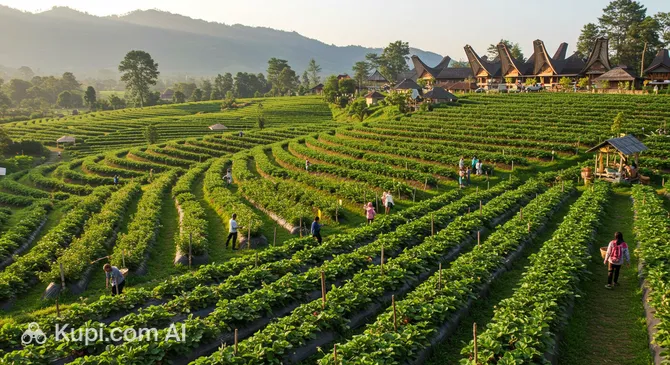
  • The city is known for its well-developed agrotourism traditions. In addition to the famous apples and strawberries, many types of vegetables and flowers are grown in the vicinity of Batu, for example, on the territory of the Kusuma Agrowisata. During the harvest season, tourists have the opportunity to take part in this process, visit colorful farmers' markets and picturesque flower plantations.

How to Get There

When planning a trip to this picturesque mountain resort, it is important to note that there are no direct flights directly to the city. However, the region's transport infrastructure is well-developed, allowing for a comfortable journey from neighboring major hubs. You can find all the details and alternative routes by following the link more about how to get to Batu.

There is no airport in the city of Batu itself, but you can fly into Juanda International Airport (IATA: SUB) in Surabaya, which is about 62 km from Batu. This is the main transport hub of East Java, hosting many international and domestic flights. The journey from the airport to Batu by taxi or rented car takes about 2 hours, depending on traffic. Another convenient option is Abdul Rachman Saleh Airport (IATA: MLG) in Malang. It is located much closer, only 20.5 km from Batu, but primarily serves domestic flights. The trip from here will take about 50 minutes.

For clarity, here is summary information on the main airports:

AirportPassenger trafficDistance
Abdul Rachman Saleh Airport894 00021 km
Juanda International Airport14.0 mln62 km
Dhoho International Airport1.5 mln66 km
Adi Sumarmo International Airport1.2 mln201 km
Banyuwangi150 214205 km

As for trains, there is no railway station in the city of Batu itself. The nearest and most convenient major railway hub is in the neighboring city of Malang (Malang Kotabaru station). Trains from Jakarta, Yogyakarta, Bandung, and Surabaya arrive here regularly. From Malang station to the center of Batu, you can get there by taxi or local minibuses (angkots) in about 45–60 minutes. This is a popular and scenic way to reach the resort, enjoying the views along the way.

In addition, Batu is connected to neighboring cities by a network of roads. From Surabaya or Malang, you can travel by intercity buses or use tourist shuttle services (travel), which are very popular in Indonesia and offer comfortable door-to-door trips.

Main Attractions

Batu, nestled in the mountainous region of East Java in Indonesia, attracts travelers with its variety of entertainment and natural beauty. This city offers many interesting places, from modern theme parks to picturesque landscapes, capable of satisfying the tastes of a wide range of tourists.

One of the main gems of the city is Jatim Park 3. This huge entertainment complex includes several themed zones, such as the impressive Dino Park with realistic figures of prehistoric reptiles and the fascinating World Music Museum. The park is ideal for family holidays, offering both entertainment and educational attractions for visitors of all ages.

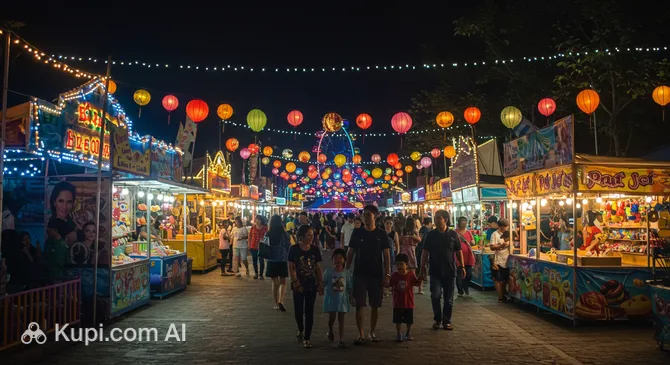
As darkness falls, Batu Night Spectacular (BNS) lights up. This night amusement park offers guests many rides, colorful light shows, a souvenir fair, and various food stalls. The lantern garden is particularly popular here, creating a magical atmosphere, along with exciting carousels and roller coasters.

Batu Night Spectacular. Illustration.
Source: Kupi.com AI

Traveler photos:

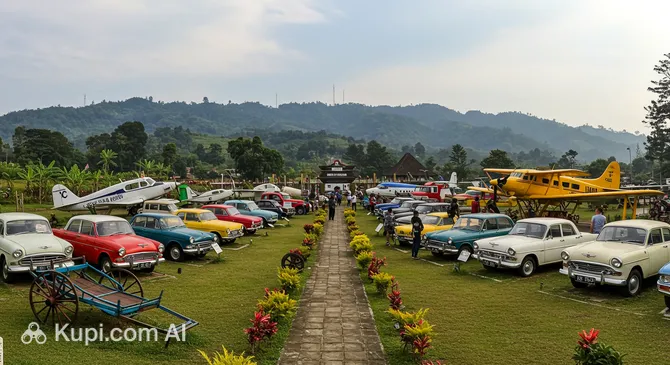
Fans of machinery and history should definitely visit Museum Angkut. It is not just a collection of vehicles, but a real interactive journey through eras and continents. The museum features more than 300 exhibits — from ancient carriages and steam locomotives to racing cars and luxury automobiles, located in themed zones that mimic the streets of different cities around the world.

Angkut Museum. Illustration.
Source: Kupi.com AI

Traveler photos:

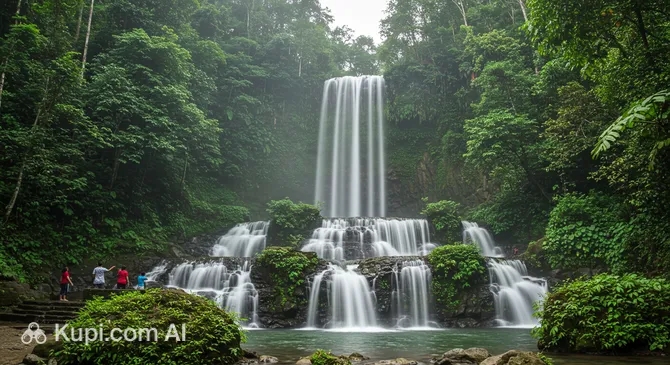
For those seeking communion with nature, a trip to the Coban Rais Waterfall is an excellent choice. This picturesque waterfall, surrounded by lush tropical greenery, provides coolness and peace. The path to it runs along a scenic trail, and the complex also features flower gardens and viewing platforms with magnificent views for photography.

Coban Rais Waterfall. Illustration.
Source: Kupi.com AI

Traveler photos:

Local Cuisine

The gastronomic scene of Batu is a real celebration of freshness and natural flavors, largely due to its location in a mountainous area favorable for agriculture. The city is famous for its fruits, especially apples and strawberries, which become the basis for many local delicacies. A trip to Batu will not be complete without getting to know its unique cuisine, where each dish tells a story of local traditions and the generosity of nature.

Be sure to try the famous apple pies and strudels, such as the "Malang Apple Strudel," which has become a signature of Batu. The recipes for these desserts are carefully kept and passed down through generations. No less popular are dishes made from fresh strawberries: from jams and smoothies to ice cream and original salads. Among the hearty dishes, sate (flavorful chicken or beef skewers) and bakso (a rich Indonesian meatball soup) are worth noticing. On street stalls, you will also find roasted corn and various traditional Indonesian snacks and sweets based on rice and coconut.

To refresh yourself, choose freshly squeezed fruit juices – made from apples, strawberries, guava, passion fruit, and other seasonal fruits. This is a real vitamin boost and a great way to get to know the local gifts of nature. In the evening, especially in cool weather, warm up with a cup of fragrant hot ginger tea (wedang jahe), which is often served in local cafes and is a traditional Indonesian drink.

Food culture in Batu is very diverse. Locals and tourists love to snack at street markets (pasar), where you can find many authentic dishes at affordable prices. Small family cafes, known as warungs, offer home cooking and a cozy atmosphere. For a more substantial dinner, you can choose one of the many restaurants, some of which offer magnificent views of the surrounding mountains. To fully appreciate Batu's famous apples, you can visit the Agro Rakyat Apple Orchard, where you can often not only taste fresh fruit but also learn more about its cultivation.

Agro Rakyat Apple Picking. Illustration.
Source: Kupi.com AI

Traveler photos:

Gastronomy in Batu is not just food, but an important part of the city's cultural code. Freshness of products is valued here, many of which are grown on surrounding farms. Trying local dishes means touching the soul of this amazing corner of Indonesia, feeling its hospitality, and enjoying flavors that will remain in your memory for a long time.

Travel Tips

Welcome to Batu, a charming mountain city in Indonesia! To ensure your trip goes smoothly and leaves only pleasant impressions, we have prepared some practical tips. They will help you better navigate the area and enjoy everything this amazing corner of East Java has to offer.

  1. Clothing and Essentials:

    Batu is located in a mountainous area, so the weather can be changeable. It is usually warm during the day, while evenings and early mornings can be cool. We recommend bringing light, breathable clothing for daytime walks, as well as a warm sweater or jacket for the evening. Don't forget comfortable shoes for visiting agro-farms and parks. A raincoat or umbrella will come in handy, as rain is possible at any time of year. For visiting temples and mosques, choose modest clothing that covers shoulders and knees. Don't forget sunscreen, a hat, and a power adapter (types C and F are used in Indonesia).

  2. City Transport:

    The main form of public transport in Batu is "angkots" – small route buses. However, for tourists, a more convenient and predictable option would be online taxis like Gojek or Grab, which are widespread and offer reasonable prices. You can also rent a scooter for more freedom of movement, especially if you plan to explore the surroundings. Remember that traffic in Indonesia is on the left.

  3. Finances: Currency, Cards, and Tipping:

    The local currency is the Indonesian Rupiah (IDR). It is best to change money at official exchange offices or banks. Credit and debit cards are accepted in large hotels, restaurants, and supermarkets, but cash is always useful for purchases in markets, small shops, and local cafes (warungs). ATMs are quite common. Tipping is not mandatory but appreciated (usually 5-10% of the bill for good service); sometimes a service charge is already included in the bill.

  4. Health and Safety:

    Batu is considered a relatively safe city. Nevertheless, observe standard precautions: watch your belongings, especially in crowded places, and do not leave valuables unattended. Pharmacies (Apotek) are in the city, some working late. It is recommended to have travel medical insurance. In emergencies, contact local hospitals or clinics.

  5. Communication: Language and Internet:

    The official language is Indonesian (Bahasa Indonesia). In tourist areas, staff often speak English, but knowing a few basic phrases in the local language will be very helpful and appreciated by the residents. For example: "Terima kasih" (Thank you), "Halo" (Hello), "Berapa harganya?" (How much does it cost?). A SIM card with internet access can be easily purchased upon arrival. Wi-Fi is available in most hotels and many cafes.

  6. Local Etiquette and Traditions:

    Indonesians are very friendly and hospitable. When communicating, try to be polite and smiling. Use your right hand to pass items or food, as the left hand is traditionally considered "unclean." It is customary to remove your shoes when entering a private home or a mosque. Respect for local customs and traditions will help you build rapport with the people of Batu.

  7. What to Avoid:

    Try not to criticize religion or local traditions – this can be perceived as disrespectful. Also avoid public displays of strong negative emotions. Indonesian laws are very strict regarding drugs, so categorically refrain from any contact with prohibited substances.

  8. Batu’s Specialty: Agrotourism and Entertainment:

    Batu is famous for its apple orchards, strawberry plantations, and vegetable farms. Be sure to visit one of these agro-farms, where you can not only learn about growing local products but also pick the harvest yourself. In addition, the city is known for its theme parks, such as Jatim Park, which offer entertainment for the whole family. Plan enough time for this!

We hope these tips make your stay in Batu even more comfortable and fulfilling. We wish you an unforgettable journey and bright impressions of this beautiful Indonesian city!

Entertainment & Nightlife

When the sun sets over the picturesque hills of Batu, the city doesn't go to sleep but offers its guests a variety of options for evening and night leisure. Although Batu is better known as a family resort, you can find places here to spend an enjoyable evening, listen to music, and socialize.

Most of the nightlife in Batu is concentrated not so much on noisy club streets but in specific venues and within some tourist complexes. A popular spot for evening entertainment is Batu Night Spectacular, which offers rides, light shows, and food courts that stay open until late in the evening. For those looking for a club atmosphere, Skydom Batu is worth considering, where you can dance to modern rhythms. If you prefer a calmer setting with drinks and pleasant conversation, the Singhasari Bar or the Rempah Traditional Cuisine Bar in Batu can offer a cozy atmosphere.

Batu Night Spectacular. Illustration.
Source: Kupi.com AI

Traveler photos:

The atmosphere in Batu's night venues is generally relaxed and friendly. The crowd is mixed, including both locals and tourists. The dress code is usually casual or smart casual, unless it's a special event. Most bars and restaurants with an evening program work until midnight or slightly later, while nightclubs may close toward dawn, especially on weekends.

When planning an evening out, it's best to arrive at popular places after 8:00 PM - 9:00 PM. Prices in Batu's bars and clubs are generally moderate but can vary depending on the venue's level. At night, getting around the city is most convenient by taxi or using ride-hailing apps. It is recommended to use official taxi companies or trusted apps to ensure safety.

Batu is generally considered a safe city; however, as in any tourist destination, standard precautions should be taken at night: avoid poorly lit and deserted streets and keep an eye on your belongings. You can call a taxi through your hotel reception or using mobile apps, which are widely available in Indonesia.

During the day, Batu also offers plenty of entertainment. The city is famous for its theme parks, such as the renowned Jatim Park 3 with its diverse zones, including Dino Park, or the Millennial Glow Garden. Culture enthusiasts can visit Museum Angkut, dedicated to transport, or the Puppet Palace Museum. For active leisure, numerous natural attractions and parks are available.

Parks & Museums

Batu is not only about picturesque mountain landscapes but also a city rich in green leisure areas and cultural sites that allow for a deeper understanding of its history and traditions. Here everyone will find something to their liking, from peaceful parks to fascinating museums and historical sites.

Nature and active recreation enthusiasts should pay attention to the local natural beauty. One such place is the Coban Rais Waterfall, where you can enjoy the freshness of falling water and picturesque surroundings, as well as take great photos. This is a wonderful place for walking and connecting with nature.

Coban Rais Waterfall. Illustration.
Source: Kupi.com AI

Traveler photos:

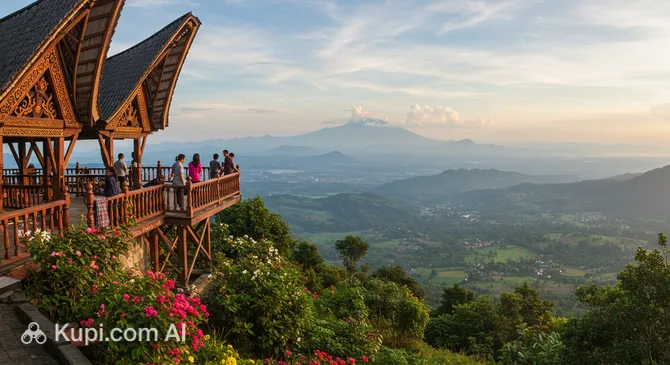
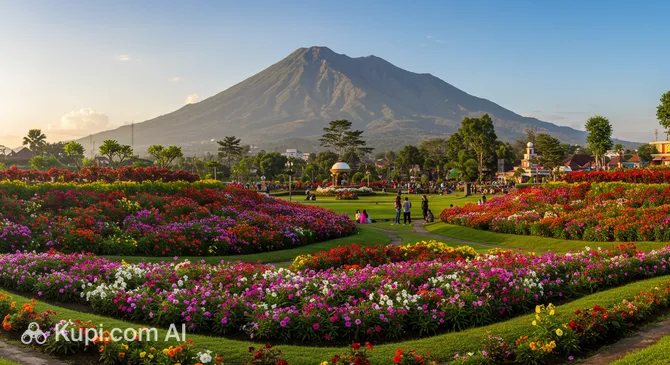
For those looking for panoramic views and beautiful landscapes, Taman Langit Gunung Banyak (Sky Garden on Mount Banyak) will be a real discovery. This park offers not only well-kept floral arrangements but also breathtaking views of the surrounding mountains and valleys, especially at sunset.

Taman Langit Mount Banyak. Illustration.
Source: Kupi.com AI

Traveler photos:

A unique experience is offered by Kusuma Agrowisata, where you can not only walk through fruit orchards (apple orchards are particularly famous) but also participate in the harvest. This is a great place to learn more about local agriculture and taste fresh fruit right from the branch.

Kusuma Agrotourism. Illustration.
Source: Kupi.com AI

Traveler photos:

The city of Batu is also proud of its museums. One of the most famous and unusual is Museum Angkut (Transportation Museum). It is not just a collection of cars; it is an interactive journey through the history of transport in various countries and eras, with impressive decorations and themed zones.

Angkut Museum. Illustration.
Source: Kupi.com AI

Traveler photos:

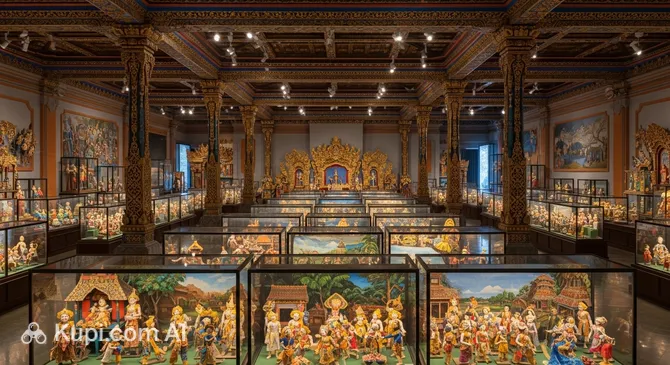
To get acquainted with local arts and crafts, stop by the Puppet Palace Museum in Batu. It features a collection of traditional Indonesian puppets, each telling its own story and reflecting the rich cultural heritage of the region. This place will be interesting for both adults and children.

Batu Doll Palace Museum. Illustration.
Source: Kupi.com AI

Traveler photos:

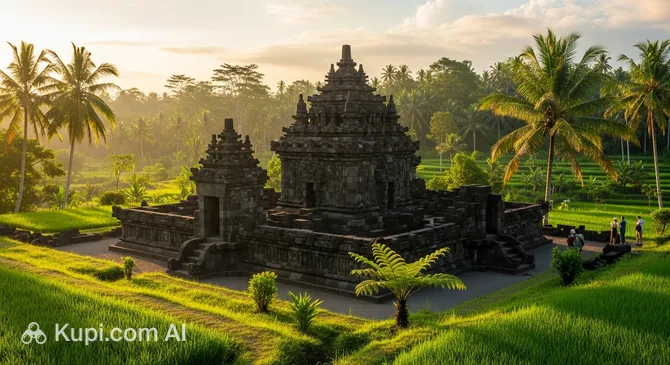
Touch ancient history by visiting the Songgoriti Temple. This is one of the oldest Hindu temples in Java, shrouded in legends. Its architecture and atmosphere of peace attract those interested in history and spirituality.

Songgoriti Temple. Illustration.
Source: Kupi.com AI

Traveler photos:

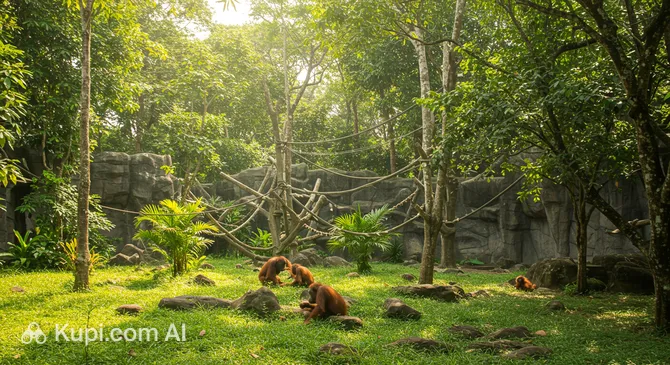
For a family holiday, Jawa Timur Park 2 is perfect, including the famous Batu Secret Zoo and the Satwa Museum (Wildlife Museum). Here you can see many exotic animals in conditions close to their natural habitat, as well as learn a lot about the animal world.

Jawa Timur Park 2. Illustration.
Source: Kupi.com AI

Traveler photos:

If you are looking for a less mainstream but impressive place to contemplate the views, head to Bukit Bintang Batu (Star Hill Batu). It offers a beautiful panorama of the city and its surroundings, especially in the evening when the lights come on.

Getting Around

Getting around Batu is quite simple, thanks to the variety of available transport modes. Although there are no subways or trams like in large metropolises, locals and tourists can choose from several convenient options to reach the city's key points and its many attractions.

The core of public transport in Batu is angkots – small minibuses running on specific routes. This is the most budget-friendly way to get around. To take an angkot, simply wave your hand to the driver on the road. Payment is made in cash directly to the driver or conductor, usually upon exiting. Routes may be designated by color or number, but it's best to clarify the direction with the driver or locals, as fixed stops aren't always followed.

For faster and more individual trips, especially over short distances or to bypass traffic jams, ojeks (motorcycle taxis) are popular. You can find traditional ojek drivers on the streets, with whom you should agree on the price in advance. However, online ride-hailing apps for motorcycle taxis such as Gojek (GoRide) or Grab (GrabBike) are becoming increasingly popular, especially among tourists. They offer more transparent pricing and the convenience of ordering via a smartphone.

In addition to motorcycle taxis, the same apps Gojek and Grab can be used to order regular taxis (GoCar or GrabCar). This is a comfortable option for trips with luggage or in a small group. Traditional taxis are also available and can be found at stands near hotels or major tourist sites, but using apps often proves more convenient and cost-effective due to fixed rates.

For those who prefer independence in their movements and plan to actively explore the surroundings of Batu, renting a scooter (motorbike) or a car is an excellent option. There are many rental points in the city. A scooter is particularly convenient for maneuvering local roads. Ensure you have the necessary driver's license (an international driving permit is often required) and insurance.

In some tourist zones or for very short leisurely trips, you might encounter becaks (cycle rickshaws). This is more of an exotic mode of transport than a primary one, but it can add local flavor to your journey. The price of the trip should be negotiated in advance.

The payment system in Batu's public transport is predominantly cash-based, especially for angkots and traditional ojeks. It is recommended to carry small bills. When using online apps, payment can be made in cash to the driver or electronically through a linked card or e-wallet in the app. Angkots usually run from early morning until evening, while app-based taxi services are available almost 24/7. To plan routes on angkots, it's best to ask for advice from locals or your hotel staff.

The choice of transport in Batu depends on your preferences, budget, and plans. Angkots are suitable for economical trips around the city, while motorcycle taxis or taxis ordered via an app offer speed and convenience, and rented vehicles provide total freedom for exploration. In any case, the city's transport system is flexible enough to ensure comfortable movement during your holiday.

Accommodation

In Batu, travelers will find a variety of accommodation options to suit different preferences and budgets. You can find everything from inexpensive guesthouses and hostels to comfortable mid-range hotels, as well as more luxurious resorts and villas for rent. The choice of housing allows for the best option for both individual travelers and families.

Many tourists prefer to stay in areas close to the main attractions, such as the Jatim Park 3 theme parks or Museum Angkut, as well as in places with convenient access to transport hubs. Central areas of the city are also popular due to the concentration of cafes, restaurants, and shops.

Lembah Metro Resort. Illustration.
Source: Kupi.com AI

Traveler photos:

Among the well-known accommodation options, for example, is the Lembah Metro Resort, which offers a comfortable stay. Also popular are various villas and resort complexes, such as Tour packages and villas in Batu and Malang, where you can find a secluded getaway.

The price range varies from budget options to luxury offers. It is recommended to book accommodation in Batu in advance, especially if your trip falls during the peak tourist season or holidays, as the best options can be quickly sold out. For searching and booking, it is convenient to use popular online platforms or contact hotels directly.

Nearby Cities

For those who want to explore the surrounding area, Batu serves as an excellent starting point for day trips to several interesting nearby places. Of particular note is Malang, located just 14 km away – this city attracts with its colonial architecture, cool climate, and proximity to picturesque plantations. Surabaya, the second-largest city in Indonesia, is 73 km away and offers a chance to dive into the country's rich history, visit modern shopping centers, and enjoy the lively atmosphere of a major port city. Also interesting for a trip is Kediri (57 km), a city with ancient history known for its temples and as a center of the sugar industry.

CityPopulationDistance
Malang2 795 20914 km
Sonosari11 80718 km
Lawang93 56319 km
Blitar132 01847 km
Mojokerto130 19647 km

These nearby destinations provide an insight into the diverse culture and landscapes of the region, enriching your travel experience in Indonesia.

Shopping & Souvenirs

Batu, known as the "Little Switzerland of Java," offers tourists not only picturesque landscapes and theme parks but also interesting shopping opportunities. Although the city is not a major shopping metropolis, you can find unique local goods, souvenirs, and fresh products here. Particularly popular are local artisan products and agricultural products, especially the apples that the region is famous for.

Main shopping activity in Batu is concentrated along the city's main streets, where small shops, stalls, and markets are located. There are no specialized large shopping streets as in megacities, but walking through the central areas, you will definitely find something interesting. Also, outlets are often found near popular tourist attractions.

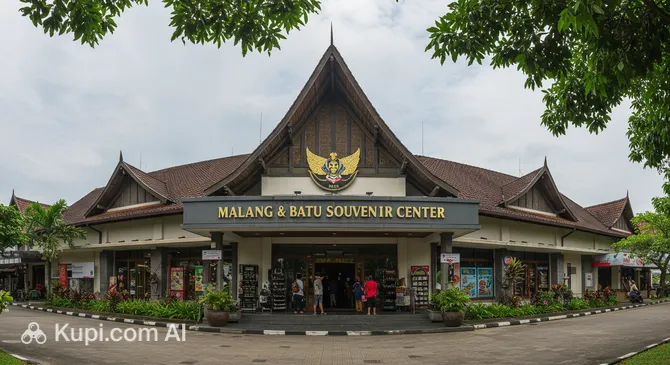
For more concentrated shopping, you can visit local shopping centers and outlets. Among them, Batu Paradise Factory Outlet stands out, where you can find clothing and other goods at attractive prices. Another popular spot is the Malang and Batu Souvenir Center, which offers a wide selection of gifts and keepsakes reflecting the culture of the region.

Malang & Batu Souvenir Center. Illustration.
Source: Kupi.com AI

Traveler photos:

An important part of Batu's shopping scene is the markets. The Pasar Apung Nusantara floating market, located on the grounds of Museum Angkut, offers not only a variety of Indonesian dishes but also souvenirs. There are also traditional markets in the city where you can buy fresh fruit (especially the famous local apples), vegetables, spices, and handmade items. Visiting such a market is a great opportunity to immerse yourself in the local atmosphere and purchase authentic products.

As souvenirs from Batu, it's worth bringing back apple products – jams, chips, juices. Batik items, wooden crafts, ceramics, and traditional snacks are also popular. A large assortment of such goods can be found at the Malang and Batu Souvenir Center.

Shops in Batu are usually open from the morning (around 9:00-10:00) and work until evening (19:00-21:00). Large shopping centers may have longer working hours. In markets, trading starts early in the morning. Most shops and shopping centers accept bank cards, but in markets and small stalls, it is preferable to have cash in Indonesian Rupiah (IDR) with you.

The possibility of a tax refund (Tax Free) in Indonesia exists for tourists when making purchases of a certain amount in participating stores. Usually, this applies to large department stores and specialized shops. To process a tax refund, you must have your passport and purchase receipts with you. Check the details with sellers or at information centers at the airport when departing the country.

Reached the end of the page?

That means the route is fully explored