Support

Probolinggo

About

Probolinggo is a vibrant gem of East Java, nestled comfortably on the island's northern coast and washed by the waters of the Madura Strait. Thanks to its port status, Probolinggo has historically served as a meeting point for various cultures and peoples, which is reflected today in its architecture, gastronomy, and traditions. This city often serves as the starting point for exploring the most picturesque corners of Java.

With a population of about 223,000 people, Probolinggo is a fairly large city for Java, yet it maintains a surprisingly cozy and unhurried atmosphere. It serves as an important administrative and economic center of the region, where ancient traditions and the modern rhythm of life harmonize perfectly. The city charms visitors with its green streets, bustling markets, and welcoming cafes, rather than high-rise buildings.
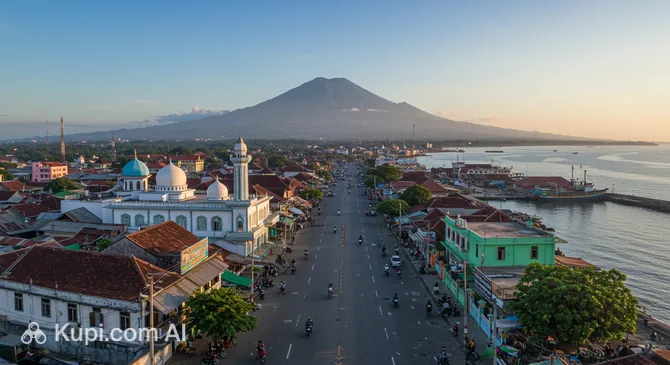
Probolinggo. Illustration.
Source: Kupi.com AI

Probolinggo is deservingly called the gateway to Mount Bromo – one of the most famous natural wonders of Indonesia. This is where exciting excursions begin, not only to Bromo itself but also to the Ijen crater and other natural attractions in the region. The city itself provides an excellent base for an overnight stay and an introduction to authentic local life before or after your active adventures.

The main appeal of Probolinggo for travelers lies in its authenticity, the warmth of the locals, and the unique opportunity to immerse oneself in real Javanese culture, untouched by mass tourism. In the mornings, the streets are filled with the aromas of freshly brewed coffee and pastries, while in the evenings, the city is bathed in the soft light of lanterns and quiet conversations. If you are looking for not just vivid impressions but also a soulful escape from the city bustle, Probolinggo will be a pleasant discovery for you.

You can find more interesting facts on the history of Probolinggo page.
Weather Overview

The weather in Probolinggo is characterized by consistently warm temperatures throughout the year. The average annual temperature ranges between 25-27°C. Expect a warm and humid season with frequent, though not always heavy, rains from about November to April, when rainfall reaches 6-14 mm per month and the number of rainy days can be up to 31. From May to October, a drier period sets in, especially from July to September, when precipitation is minimal (around 1 mm) and the number of rainy days decreases to 6-8 per month. Maximum daytime temperatures during this period can reach 28-30°C.

For more detailed weather information, including monthly forecasts, we recommend checking the Probolinggo Climate page.

Average monthly temperature

Average monthly precipitation

Interesting Facts

Beyond its role as the gateway to the famous Mount Bromo, Probolinggo holds many fascinating secrets and lesser-known details. Here are just a few:

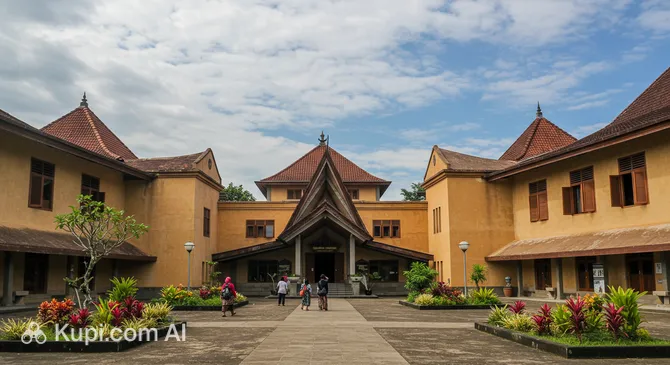
Probolinggo City Museum. Illustration.
Source: Kupi.com AI

Traveler photos:

  • Probolinggo is one of the oldest port cities in East Java. Starting from the 19th century, it played a key role in exporting sugar cane grown in the fertile surrounding lands. Reminders of this "sweet" past can still be seen in the region, such as old sugar plantations and factories. You can likely learn more about this part of history at the Probolinggo City Museum.

  • While many know Probolinggo as the starting point for Mount Bromo, not everyone fully realizes the significance of this route. Every year, thousands of travelers set out from here to witness the breathtaking sunrise over the mystical landscapes of this legendary crater, which is considered sacred by the Tengger people.

  • The city boasts an interesting mix of architectural styles. You can find preserved examples of colonial buildings alongside ancient mosques and Chinese temples. This diversity reflects the rich multi-ethnic past of Probolinggo and its hospitable character.

  • Not far from the city are the impressive Madakaripura Waterfalls. These falls are not only picturesque but are also steeped in legends about the powerful military commander Gajah Mada. It is believed that he spent his final days here, and the site is still considered a source of strength and inspiration for locals.

How to Get There

Probolinggo occupies a strategically important position on the map of East Java, serving as a key transport hub for the region. Although there is no airport in the city itself, getting here is easy thanks to a well-developed road network. You can find more details on all route options by following the link how to get to Probolinggo, and below we will look at the main ways to arrive via the nearest transport hubs.

Since Probolinggo does not have its own airport, most tourists fly into neighboring major cities. The most convenient option is Juanda International Airport (SUB) in Surabaya, located about 64 km from Probolinggo. This is the region's main air gateway with a huge passenger flow. The journey from Surabaya airport to Probolinggo by taxi or bus via the toll road usually takes about 2 hours.

Another option is flying into Abdul Rachman Saleh Airport (MLG) in Malang, which is approximately 56 km away. Despite the geographical proximity, the travel time can be around 1.5–2 hours due to local traffic and terrain. It is also worth mentioning Ngurah Rai International Airport (DPS) in Denpasar. Although it is significantly further away (about 240 km) and requires a ferry crossing, many travelers combine a trip to Java with a holiday in Bali.

For convenience, here is summary information on the main airports:

AirportPassenger trafficDistance
Abdul Rachman Saleh Airport894 00056 km
Juanda International Airport14.0 mln64 km
Dhoho International Airport1.5 mln138 km
Banyuwangi150 214138 km
Ngurah Rai International Airport23.9 mln242 km

Rail travel is another popular and comfortable way to reach the city. Probolinggo Railway Station is located near the center and receives trains from most major cities on Java, including Surabaya, Yogyakarta, and Banyuwangi. A train trip is often faster and more pleasant than a bus, as it avoids traffic jams. From Surabaya, the train takes about 2 hours, and tickets for various comfort classes can easily be purchased online or at station ticket offices.

Probolinggo is also easily accessible by bus. The city's main terminal, Bayuangga, serves numerous intercity routes. Buses from Surabaya depart 24/7 at short intervals. If you are coming from Bali, the journey will include the Gilimanuk – Ketapang ferry crossing, after which a bus will take you directly to Probolinggo.

Main Attractions

Probolinggo, known as an important transit point on the way to the famous Mount Bromo, also possesses its own charm and offers several interesting spots that help visitors get to know the city, its culture, and daily life better.

One of the city's main cultural centers is the Probolinggo City Museum. Here, visitors can immerse themselves in the rich history of the region, learn about the traditions and lifestyles of local residents, and see exhibits detailing key stages of Probolinggo's development. It is a wonderful opportunity to gain a deeper understanding of the local heritage and cultural roots of this Indonesian city.

Probolinggo City Museum. Illustration.
Source: Kupi.com AI

Traveler photos:

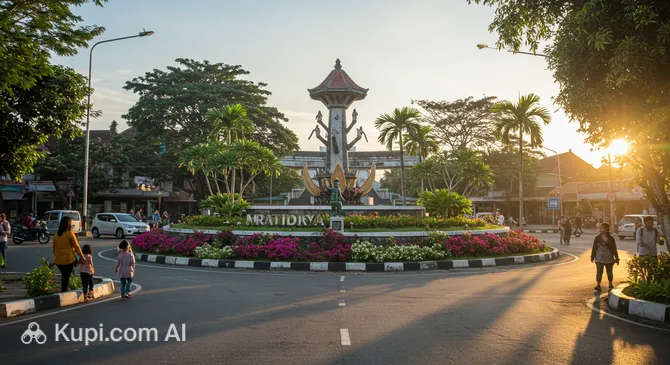
Among the urban landmarks, the Gladak Serang Roundabout stands out. While primarily a transport hub, such sites in cities often become recognizable landmarks decorated with sculptures, fountains, or interesting landscaping. The Gladak Serang junction serves as a good landmark and reflects the modern face of Probolinggo.

Gladak Serang Roundabout. Illustration.
Source: Kupi.com AI

Traveler photos:

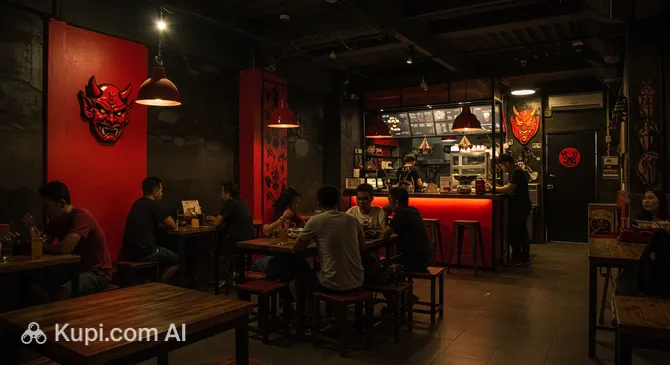
For a taste of local gastronomy, travelers should head to Mie Gacoan. This is a popular spot among both locals and tourists, specializing in "mie" (noodle) dishes. A visit to Mie Gacoan allows you to sample authentic flavors of Indonesian cuisine in a lively atmosphere at an affordable price, making it an attractive place for lunch or dinner.

Mie Gacoan. Illustration.
Source: Kupi.com AI

Traveler photos:

Local Cuisine

The cuisine of Probolinggo is a fascinating gastronomic journey into the world of Javanese flavors, where fresh seafood and aromatic spices take center stage. The city's culinary traditions are an integral part of the culture of Indonesia, offering tourists a rich selection of authentic dishes.

Among the dishes you must try in Probolinggo is lontong kupang – a unique combination of rice cakes with tiny clams, generously seasoned with a savory sauce and served with crispy crackers. Another iconic local dish is soto probolinggo. This is a thick, rich soup with chicken, noodles, egg, and a bouquet of aromatic herbs, often prepared for family celebrations and served with homemade pickles and spicy sambal sauce.

Street food in Probolinggo is a true kaleidoscope of tastes and aromas. On every corner, you can find stalls with mouth-watering fried bananas (pisang goreng), various rice cakes, sweet potatoes, and, of course, fresh exotic fruits. Local markets also delight with an abundance of tropical treasures and the chance to try real local coffee brewed according to ancient recipes.

As for drinks, besides aromatic local coffee, refreshing es teh (iced tea) and es jeruk (iced orange juice) are popular in Probolinggo. For those who prefer something stronger, many places offer the popular Indonesian beer, Bintang.

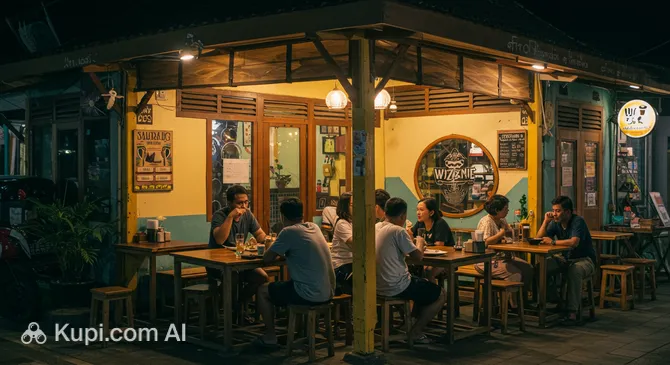
The food culture in Probolinggo is closely tied to street vendors and small family-run eateries known as "warungs." This is where you can feel the true atmosphere of the city and try home-cooked dishes. Tourists can also visit local restaurants offering both traditional and more modern variations of Indonesian cuisine. For example, to try a variety of dishes, you can stop by Wizzmie Probolinggo, which features both popular Indonesian treats and contemporary culinary offerings.

Wizzmie Probolinggo. Illustration.
Source: Kupi.com AI

Traveler photos:

The gastronomic scene of Probolinggo attracts with its variety: from the freshest seafood grilled right before your eyes to hearty soups and sweet desserts. Immersing yourself in the world of local flavors will be one of the highlights of your trip to this colorful Indonesian city.

Travel Tips

Planning a trip to Probolinggo? Excellent! To ensure your journey through this colorful Indonesian city goes smoothly and leaves only pleasant impressions, we've prepared some useful tips.

  1. Clothing and Essentials: The climate in Probolinggo is tropical, hot, and humid year-round, so bring light, breathable clothing made of natural fabrics (cotton, linen). Sunscreen with a high SPF, a hat, and sunglasses are a must. Comfortable shoes, such as sandals or light sneakers, are necessary for walking around the city and especially if you plan excursions, like to Mount Bromo. When visiting temples and mosques (such as the Great Mosque of Probolinggo), modest clothing covering shoulders and knees is required; women may need a headscarf. Don't forget a universal adapter for electronics, as Indonesia uses type C and F sockets (230V voltage).
  2. Transport: The main types of public transport in Probolinggo are bemos (microbuses) and angkots (route taxis) that run along set routes; payment is made in cash directly to the driver. Taxis are available, but it is recommended to use official companies or popular ride-hailing apps like Go-Jek or Grab to avoid overcharging. Renting a car or motorbike is possible, but keep in mind the heavy and sometimes chaotic traffic; an international driving permit is required for rentals. For short trips around the city, local transport or taxis are more convenient and often cheaper.
  3. Finance: The local currency is the Indonesian Rupiah (IDR). You can exchange currency at banks or authorized money changers; try to avoid street changers. Credit cards (mainly Visa and Mastercard) are accepted in large hotels, some restaurants, and shops, but it's preferable to have cash in smaller establishments, markets, and on local transport. ATMs are quite common, especially in the city center; it's better to use those located at bank branches. Check with your bank about possible fees for withdrawing cash abroad. An estimated daily budget can range from 300,000 to 700,000 IDR (approx. 20-45 USD) per person, excluding accommodation and major excursions. Tipping is not strictly mandatory but is welcomed for good service in restaurants (usually 5-10% of the bill) and for guides.
  4. Health and Safety: Pharmacies (apotek) are available in the city, but the range of medicines may differ from what you're used to, so it's better to bring basic medications with you. Some pharmacies may operate 24/7. Paid medical care is available for tourists in local clinics and hospitals; it is strongly recommended to take out travel medical insurance before your trip. Probolinggo is generally considered safe for tourists, but as in any other place, standard precautions should be followed: watch your belongings, especially in crowded places (markets, bus stations), and avoid displaying expensive jewelry or large sums of cash. Drink only bottled or boiled water, and wash fruits and vegetables thoroughly before consumption.
  5. Communication: The official language is Indonesian (Bahasa Indonesia). In tourist areas, hotels, and some restaurants, staff may speak English, but generally, English proficiency among the local population may be low. Learning a few basic phrases in Indonesian, such as "Selamat pagi/siang/sore/malam" (Good morning/afternoon/evening/night), "Terima kasih" (Thank you), "Sama-sama" (You're welcome), and "Berapa harganya?" (How much is this?), will significantly ease communication and win the favor of locals. A local SIM card with internet access (popular operators are Telkomsel, XL Axiata, Indosat Ooredoo) can be purchased at the airport upon arrival or at numerous mobile shops in the city. Wi-Fi is usually available in most hotels, cafes, and restaurants.
  6. Local Etiquette: Indonesians are known for their friendliness and politeness. Greet people with a smile and a slight nod of the head. A handshake is common when meeting, but it is usually soft. It is extremely important to use your right hand for giving or receiving anything (including money and food), and for eating if you eat with your hands. The left hand is traditionally considered "unclean." Avoid pointing at people or objects with your index finger; instead, it is better to use an open palm or your thumb (with other fingers folded into a fist). Show respect to your elders.
  7. What to Avoid: Try not to show anger publicly, do not raise your voice, and do not engage in loud arguments – such behavior is considered very impolite and can provoke a negative reaction. Also, avoid touching another person's head, including children, as the head is considered a sacred part of the body in Indonesian culture.
  8. Additional Tip: Probolinggo is a popular starting point for a trip to the famous Mount Bromo to catch the sunrise. If you plan such an excursion, it is recommended to book it in advance, especially during peak tourist season. Keep in mind that at the volcano summit or viewpoints at sunrise, it can be very cold (temperatures can drop close to zero), so be sure to bring warm clothing: a jacket, hat, and gloves.

We hope these tips help you better prepare for your visit to Probolinggo and enjoy every moment of your journey through this interesting corner of Indonesia. We wish you unforgettable impressions and bright discoveries!

Entertainment & Nightlife

Evening in Probolinggo reveals itself to travelers not through wild parties until dawn, but through a cozy and calm atmosphere perfect for a pleasant pastime. The city's nightlife centers around restaurants where you can enjoy a delicious dinner and places favored by locals for evening socializing.

The main points of attraction in the evening are the dining establishments, many of which stay open until late at night. Here, in a relaxed setting, you can get acquainted with Indonesian cuisine. Popular dinner spots include Mie Gacoan, famous for its noodles, and Wizzmie Probolinggo, which offers a diverse menu. The atmosphere in such places is usually friendly and suitable for families. No special dress code is required, though neat casual clothing is perfectly appropriate. The best time to visit is during standard evening hours, though some cafes may stay open longer.

In Probolinggo, you won't find nightlife districts in the European sense, filled with numerous clubs and bars. However, as evening falls, life bustles on the central streets and around city squares like the Gladak Serang Roundabout. These places become popular for evening strolls and meetings among locals. If night markets are organized in the city, they also attract many visitors, offering local delicacies and goods.

When planning your evening leisure, keep in mind that average prices in Probolinggo restaurants are quite affordable. To get around the city after dark, it is recommended to use official taxis or trusted ride-hailing apps. Overall, Probolinggo is considered a relatively safe city. Nevertheless, as in any other place, it is important to observe basic precautions: avoid poorly lit and deserted streets late at night and keep a close eye on your personal belongings.

During the day, Probolinggo also offers plenty of activities. Guests can, for instance, visit the Probolinggo City Museum to delve deeper into the region's history and culture. City parks provide pleasant spots for relaxation and leisurely walks during daylight hours.

Parks & Museums

Probolinggo, a city rich in culture and set amidst the picturesque landscapes of East Java, offers travelers both green spots for relaxation and interesting sites to learn about local heritage. While the city might be best known as a gateway to the region's natural wonders, there is also plenty to see and do within its limits.

When it comes to parks and green zones, it's worth noting that Probolinggo, like many Indonesian cities, has public spaces where locals and tourists alike can enjoy fresh air. Central squares (alun-alun) often serve as such oases. While there are no specific parks mentioned in the provided list, the city is surrounded by nature, and small squares or the waterfront can offer pleasant spots for a walk. Those seeking grander natural experiences should remember that Probolinggo is the gateway to famous sites like Mount Bromo.

Probolinggo City Museum. Illustration.
Source: Kupi.com AI

Traveler photos:

For those interested in history and culture, a key site is the Probolinggo City Museum. This institution is a wonderful opportunity to delve into the region's past and learn about its development, traditions, and the daily lives of its residents. The museum's exhibits may include artifacts, photographs, and art pieces that tell the unique story of Probolinggo and its surroundings. It is an excellent start to understanding the soul of the city.

Gladak Serang Roundabout. Illustration.
Source: Kupi.com AI

Traveler photos:

Among the city's architectural and iconic objects, the Gladak Serang Roundabout stands out. Often, such transport hubs in Indonesian cities turn into real attractions due to monuments, sculptures, or a specific design reflecting local flavor or important historical milestones. This spot can be interesting for photos and serves as a kind of landmark in the city.

For a more authentic experience, don't limit yourself to official attractions. Explore local markets where you can witness the daily life of citizens and sample local delicacies. Probolinggo may also surprise you with small craft workshops or street art if you take the time for a leisurely stroll through its streets.

Getting Around

Public transport in Probolinggo consists mainly of traditional Indonesian modes of travel. The backbone of the transport system is the bemo or angkot – small microbuses that follow specific routes but are often willing to stop on demand almost anywhere. You can also find local buses connecting different districts, though their network may not be as extensive as the angkot routes. There are no metro, tram, or trolleybus systems in Probolinggo.

The fare system in Probolinggo is quite simple. In angkots and most local buses, payment is made in cash directly to the driver or conductor upon entering or exiting. The approximate cost of an angkot trip usually ranges from 3,000 to 7,000 Indonesian Rupiah (IDR) depending on the distance; local bus prices may be comparable or slightly higher for longer routes. It’s best to confirm the exact amount with the driver before boarding, especially if you are unsure. Specialized travel cards or mobile apps for paying for city public transport are generally not used, though this situation may change.

Tourists planning to use public transport are advised to always carry small cash for payment. Angkots can be hailed with a wave of the hand on the side of the road along their route. Routes are often marked on the microbuses themselves (numbers or names of destination points), but this may not always be clear to a tourist, so don't hesitate to ask locals or the driver. Public transport usually starts early in the morning and ends by evening, after which availability may be limited.

As an alternative to public transport, taxis and motorcycle taxis (ojek) are widespread in Probolinggo. These can be ordered on the street or via popular Indonesian mobile apps like Grab or Gojek, which is often more convenient and allows you to know the fare in advance. For short distances in some parts of the city, you can still find becaks – traditional cycle rickshaws. Bicycle or scooter rentals may also be available, especially in tourist-oriented areas, providing greater freedom of movement.

Accommodation

In Probolinggo, travelers will find a variety of accommodation options to suit different budgets and preferences. The city offers a choice ranging from inexpensive guesthouses and hostels, popular with backpackers, to more comfortable mid-range hotels. Room or house rentals through local services are also available, which can be convenient for families or groups.

When choosing a place to stay in Probolinggo, it is worth looking at areas near major transport hubs or the central part of the city. This will provide easy access to shops and restaurants and simplify organizing trips to local attractions or popular tourist sites like Mount Bromo, as Probolinggo often serves as a base for such excursions. Many hotels and guesthouses offer assistance in arranging transfers and tours.

When planning your trip, especially during peak tourist season or if your journey coincides with local holidays, it is recommended to book accommodation in advance. This will help ensure the best selection and prices. Most hotels and guesthouses in Probolinggo can be booked through popular international online platforms, but you can also consider direct booking via hotel websites or by phone. The price range varies from budget options to hotel rooms with a wide range of services, allowing every traveler to find a suitable option.

Nearby Cities

For those looking to explore the surroundings, Probolinggo serves as an excellent starting point for day trips to several interesting nearby locations:

CityPopulationDistance
Pasuruan186 26236 km
Lawang93 56356 km
Malang2 795 20966 km
Jember298 58570 km
Sonosari11 80771 km

These nearby destinations provide a glimpse into the diverse culture and landscapes of the Indonesia region.

Shopping & Souvenirs

Probolinggo, as an important port city and transport hub in East Java, offers authentic local shopping rather than the glitz of major malls. Here, you will find opportunities to buy traditional goods, fresh produce, and souvenirs that reflect the region's culture. While the city is not famous for exclusive luxury items, it will delight those looking for local products and flavor.

Main shopping spots in Probolinggo are generally concentrated along the city's main streets, such as Jalan Panglima Sudirman, or around the central square (Alun-Alun). Here you can find various small shops, stalls, and kiosks offering clothes, shoes, electronics, and daily necessities.

In Probolinggo, you are unlikely to find the massive modern shopping malls typical of megacities. However, the city has several department stores and smaller shopping centers where you can find clothing, household goods, and electronics. For a wider selection and brand-name stores, tourists usually need to travel to larger cities like Surabaya.

Traditional markets (pasar) hold a special place in Probolinggo's shopping scene. These are lively places where you can not only buy the freshest local produce – fruits (especially the mangoes the region is famous for), vegetables, spices, and fish – but also observe the daily life of the residents. Markets also often feature inexpensive clothing, kitchenware, and local handicrafts. Visiting such a market is a great way to immerse yourself in the local culture.

From Probolinggo, it is worth bringing back souvenirs that reflect the culture of East Java and Indonesia as a whole. Look for batik – traditional fabric with patterns, wood carvings, woven baskets, and mats. Local sweets, coffee, and spices are also popular. If you've visited the surrounding areas, like Mount Bromo, you will find plenty of themed souvenirs.

Most shops in Probolinggo are open from approximately 9:00-10:00 AM to 8:00-9:00 PM. Markets start very early in the morning and may close after lunch. In small shops and markets, cash (Indonesian Rupiah) is preferred. Credit cards may be accepted in larger stores or department stores, but it is always best to have enough cash on hand, especially for small purchases and at markets.

The Tax Free system in Indonesia is available for foreign tourists but is usually processed for large purchases in specialized shops participating in the program, upon departure from major international airports. Finding shops that offer Tax Free in Probolinggo can be difficult. It is recommended to check this possibility directly at the place of purchase if you are making significant acquisitions, or plan such purchases in larger tourist centers.

Reached the end of the page?

That means the route is fully explored