Support

Porta San Tomaso

About

Porta San Tomaso is not just an ancient gate, but a significant historical monument that is part of the impressive defensive fortifications of the city of Venice, located in Italy. These gates served as one of the key entrances to the city and to this day preserve the atmosphere of past centuries, inviting travelers to touch history.
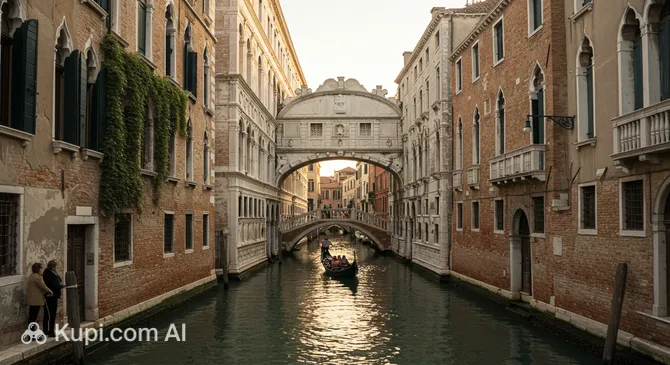
Porta San Tomaso. Illustration.
Source: Kupi.com AI

Traveler photos:

Porta San Tomaso got its name from the nearby church consecrated in honor of Saint Thomas (San Tomaso). Architecturally, the gate is a striking example of Italian Renaissance fortification art, demonstrating the skill and engineering thought of the time. Its massive walls and thoughtful design testify to the importance of the city's defense in the past.

The design of Porta San Tomaso was developed by architect Paolo Nani in the early 16th century and brought to life in stone by Master Guglielmo d'Alzano from Bergamo, although some historians debate the authorship of the latter. Today, these gates are one of the beautifully preserved entrances to the historic city center and an important element of the city's fortifications, attracting lovers of history and architecture.

Contacts

Porta San Tomaso is a historical monument that is part of the city fortifications of Venice. Typically, such sites do not have a dedicated contact service for tourists. To visit the gate, you can head towards the historic city center; it is accessible as part of a walking tour of Venice or by using local public transport.

For the most accurate information on access hours (if restricted) or potential tours, we recommend contacting the Venice tourist information centers upon arrival or visiting the city's official tourism portal.

How to contactContact
AddressBorgo Giuseppe Mazzini, 31100 Treviso TV, Italy

What to Do

When visiting Porta San Tomaso, you can primarily immerse yourself in studying its architectural features. Take a close look at the structural details and decorative elements characteristic of Italian Renaissance architecture. These gates are a prime example of 16th-century fortification art, and every stone here seems to tell its own story. This is a wonderful opportunity to appreciate the skill of the architects of the past and imagine what an important role this structure played in the life of the city.

Don't miss the chance to enjoy the picturesque views from the area by the gate. This spot is perfect for taking some memorable photos of the surroundings. The peaceful atmosphere encourages you to stop for a moment and imagine what this area looked like centuries ago.

Near Porta San Tomaso is the Church of San Tomaso, which gave the gate its name. If you have time, stop in there as well to round out your experience. Furthermore, the gate is part of a larger historical complex of Venice's city fortifications, so curious travelers can continue their walk, exploring other surviving elements of the city's defensive system.

Getting There

Porta San Tomaso is located in the wonderful city of Venice, which is famous for its unique transport system based on waterways. There are several ways to reach this historical landmark, each allowing you to enjoy the inimitable atmosphere of the city on the water.

The main form of public transport in Venice is the vaporetto—water buses that run along the Grand Canal and other water arteries. To get to Porta San Tomaso, you will need to find a vaporetto route with a stop located near the gate. It is recommended to check the vaporetto map in advance or use mobile apps for route planning. Additionally, Venice is a city perfectly suited for walking. If Porta San Tomaso is within reach of your hotel or other attractions on your itinerary, a stroll through the narrow streets and picturesque bridges will be an unforgettable part of your journey.

For a more comfortable and faster trip, especially if you value your time or are traveling in a small group, you can use a water taxi. This is a more expensive option, but it allows you to reach many points in Venice directly and with great convenience. Before your trip, be sure to check the exact location of Porta San Tomaso on a map to choose the most optimal route and mode of transport.

Nearest city: Venice

History & Facts

The construction of Porta San Tomaso dates back to the early 16th century, around 1516. This was a time when Italian cities were actively strengthening their defensive lines. The emergence of new types of artillery and improved siege methods dictated the need for more powerful and sophisticated fortifications, and Porta San Tomaso was one of the responses to the challenges of that era, reflecting significant changes in military architecture.

The design of these impressive gates belongs to the architect Paolo Nani, and the construction work is believed to have been carried out by Master Guglielmo d'Alzano from Bergamo, although the latter's contribution is sometimes disputed by some historians. The gate received its name, Porta San Tomaso, from the nearby church dedicated to Saint Thomas (San Tomaso). This practice of naming city gates after nearby churches was quite common in Italian cities at the time, giving them additional symbolic significance.

Porta San Tomaso is a vivid testament to the development of Renaissance fortification architecture in Italy. During the same historical period, other cities in the country also acquired similar powerful fortifications. For example, in Verona, the famous architect Michele Sanmicheli created the equally well-known Porta Nuova (1538) and Porta Palio (1557). These structures, along with Porta San Tomaso in Venice, represent outstanding examples of the engineering and architectural thought of their time, reflecting the desire for security and the demonstration of the city's power.

Time Needed

To see Porta San Tomaso itself, you will likely need 30 to 60 minutes. This time will be quite enough to carefully examine the gate's architectural details, admire its historical appearance, take some commemorative photos, and perhaps look at any information boards if available on-site. This will provide a general overview of this interesting fortification in Venice.

If you plan a more in-depth exploration of the surroundings and want to include a visit to the nearby Church of San Tomaso, which gave the gate its name, or take a walk along the old city walls, you should allocate about 1.5–2 hours for such an extended visit. This approach will allow you to leisurely enjoy the atmosphere of this historical corner of Italy and get a more complete impression.

Working Hours

Porta San Tomaso, being a historical city gate and part of Venice's defensive structures, is generally accessible for viewing at any time of day as it is integrated into the urban environment. Such sites typically do not have strict opening hours like museums and can be seen during a walk through the city. Special ticket booking for viewing the gates themselves is usually not required, as it is an open architectural monument.

It is assumed that Porta San Tomaso is accessible for visiting year-round. However, if you plan to visit any exhibitions related to the gates (if any) or wish to learn about potential tours, it is recommended to check for up-to-date information on the official Venice tourism portal or at local tourist information centers upon arrival. This will help you get the latest information on possible access restrictions or special events.

Open 24 hours

Nearby

Visiting Porta San Tomaso will certainly be a highlight of your trip to Venice, but you shouldn't limit yourself to just this landmark. Exploring the surrounding area will allow you to dive deeper into the city's atmosphere, discover new interesting places, and gain a more complete picture of its rich history and culture. Often, it is the short walks through neighboring streets and squares that offer the most unexpected and pleasant discoveries.

By expanding your itinerary, you will be able to see how Porta San Tomaso harmoniously fits into the urban landscape and discover other architectural gems or cozy corners that will make your stay in Venice even more fulfilling and memorable. Below is a list of some nearby attractions that may interest you.

NameDistance
Piazza dei Signori0.6 km
Inflatable Playground Treviso5.5 km
Martellago Pool17.9 km
Noventa di Piave Designer Outlet22.1 km
After Caposile23.8 km
Venice Jewish Ghetto25.6 km
Ca' Pesaro International Gallery of Modern Art26.1 km

Have you reached the end of the page?

So the route has been studied inside and out