Support

Egara Tenjin Shrine

About

Egara Tenjin Shrine (荏柄天神社, Egara Tenjinsha) is a significant historical religious site located in the city of Fujisawa, Kanagawa Prefecture, Japan. This shrine is among the few ancient Shinto shrines in the region that have been preserved since the early Middle Ages, offering a unique window into the country's past.
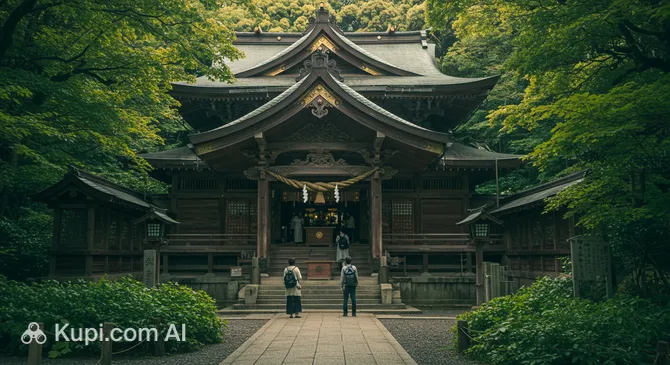
Egara Tenjin Shrine. Illustration.
Source: Kupi.com AI

Traveler photos:

Like many other Tenjin shrines in Japan, Egara Tenjin is dedicated to the spirit of Sugawara no Michizane. This famous scholar and statesman is revered as Tenjin—the deity presiding over learning, science, and the arts. Therefore, the shrine is particularly popular among students and all those striving for knowledge and educational success.

Egara Tenjin Shrine charms visitors not only with its history but also with its picturesque natural surroundings. It is especially beautiful in the spring when the ume (plum) trees bloom on the temple grounds, creating a magical atmosphere. Thanks to this, as well as its cultural significance, Egara Tenjin attracts many worshippers and tourists eager to experience Japanese traditions, history, and architecture.

Contacts

Egara Tenjin Shrine is a significant historical site in the city of Fujisawa. As it is a cultural heritage site, direct contact details such as a phone number or email address may be unavailable or outdated.

For the most up-to-date information regarding opening hours, potential tours, and the best way to reach the shrine, we recommend consulting official Fujisawa tourism portals or tourist information centers upon your arrival in Japan. Generally, such attractions are accessible by public transport or taxi from the city center.

How to contactContact
Address74 Nikaidō, Kamakura, Kanagawa 248-0002, Japan
Phone number+81 467-25-1772
Websitewww.tenjinsha.com

What to Do

A visit to the Egara Tenjin Shrine in Fujisawa offers tourists a unique opportunity to connect with traditional Japanese culture and spirituality. Guests can participate in Shinto rituals, pray for good luck in studies or creative endeavors, and purchase traditional amulets and charms (omamori) as mementos. The site is particularly famous for its connection to Sugawara no Michizane, revered as the deity of scholarship, which is why many students and schoolchildren come here to pray for success in exams.

Of particular interest is the annual "Hari-kuyo" ritual, held on February 8th. On this day, people bring old and broken sewing needles to the shrine and place them into a large piece of soft tofu, thanking them for their faithful service. This unusual and colorful ceremony attracts many visitors and serves as a vibrant example of Japanese traditions.

In the spring, the shrine grounds are transformed by the blooming plum trees. A walk among the white and pink blossoms, which fill the air with a delicate fragrance, is a true delight. Additionally, visitors can enjoy the shrine's peaceful atmosphere, admire the traditional architecture of the Shinto buildings, and find tranquility away from the city bustle. It is a wonderful place for meditative relaxation and exploring the cultural heritage of Japan.

Getting There

Egara Tenjin Shrine is located in the city of Fujisawa, Japan, in close proximity to the historic center of Kamakura. The most convenient way to reach the shrine is by train. You will need to travel to Kamakura Station, which serves as a major transportation hub and the starting point for exploring the area's attractions.

From Kamakura Station, Egara Tenjin Shrine can be reached on foot, by local bus, or by taxi. A walk takes approximately 15–20 minutes and leads through the picturesque streets of the old city, which can be a pleasant part of your journey in itself. If you choose public transport, local buses depart regularly from Kamakura Station and stop near the shrine. A taxi ride from the station is the fastest, though more expensive, option.

If you are planning to arrive by car, there is a small parking lot near Egara Tenjin Shrine. However, please keep in mind that on holidays and weekends, the number of available spaces may be limited due to the high volume of visitors. During these periods, using public transport is preferable to avoid potential parking inconveniences and fully enjoy your visit.

Nearest city: Fujisawa

History & Facts

Egara Tenjin Shrine boasts a rich and ancient history. According to legend, it was founded by an unknown priest back in 1104. This makes it one of the oldest religious structures in the region, preserving centuries-old traditions and serving as an important spiritual center.

The shrine was built with a specific purpose: to appease the spirit of Sugawara no Michizane. This prominent statesman and talented poet, whose life ended tragically, eventually came to be revered as Tenjin—the deity of scholarship, calligraphy, and learning. Consequently, Egara Tenjin Shrine traditionally attracts many students, scholars, and anyone seeking success in their studies and the pursuit of knowledge.

Egara Tenjin Shrine has witnessed many key historical eras, including the rise of Kamakura as a vital political center in Japan. The uniqueness of this site is highlighted by the fact that it existed even before the arrival of Minamoto no Yoritomo, the founder of the Kamakura shogunate. This testifies to its profound antiquity and special significance to the historical and cultural heritage of the area, reflecting important milestones in the development of Japanese spirituality and statehood.

Time Needed

When planning a visit to Egara Tenjin Shrine, located in Fujisawa, you should allow for approximately 1–1.5 hours. This amount of time is generally sufficient for most visitors to get a good sense of the shrine and its unique atmosphere.

Within this timeframe, you can leisurely explore the shrine grounds, admire its architectural features, and perhaps observe or even participate in any traditional rituals taking place during your visit. You will also have enough time to simply enjoy the peaceful and calming atmosphere of this revered site in Japan. Of course, if you wish to delve deeper into the history, take many photographs, or spend more time in quiet reflection, you might want to set aside a bit more time, but an hour and a half is usually enough for a primary introduction.

Working Hours

Visiting Egara Tenjin Shrine in the city of Fujisawa is typically possible throughout the day. Exact opening hours may vary depending on the season and scheduled events, so it is recommended to check the current information on the shrine's official website or at local tourist information centers before your visit. Generally, advance ticket booking is not required for visiting shrines like this in Japan, unless it involves special ceremonies or tours.

Most Shinto shrines are open to visitors year-round; however, access hours to the main buildings and the office where you can purchase amulets or request prayers may be limited. To ensure your visit is comfortable and you can fully enjoy the atmosphere of this historic site, we strongly advise checking the schedule in advance.

8:30 – 16:30

Nearby

A visit to the Egara Tenjin Shrine in Fujisawa will undoubtedly be a highlight of your trip to Japan. However, to make your journey even more enriching and complete, it is worth taking the time to explore the surroundings. Often, it is the nearby attractions, cozy corners, and unexpected finds that allow you to dive deeper into the local atmosphere and create unforgettable memories.

There are many other interesting sites around Egara Tenjin Shrine that can complement your cultural itinerary. From ancient temples and picturesque gardens to unique landmarks and modern establishments—there is something for everyone. Below is a list of some nearby attractions, including the distance to each.

NameDistance
Tsurugaoka Hachimangu0.7 km
Hokoku-ji Temple0.8 km
Ichijo Ekan Sanso0.9 km
Kamakura Owl Forest1.3 km
Garden House Kamakura1.6 km
Zeniarai Benten Shrine2 km
Kamakura Resort Hotel2.7 km

Have you reached the end of the page?

So the route has been studied inside and out