Support

Hamarikyu Gardens

About

Hama-rikyū Gardens is a wonderful oasis of tranquility and traditional Japanese beauty located in the bustling Koto district, in the heart of Tokyo, Japan. This historic Japanese garden is one of the city's most famous and picturesque landscape parks, offering visitors a unique immersion into the harmony of nature and centuries-old traditions.
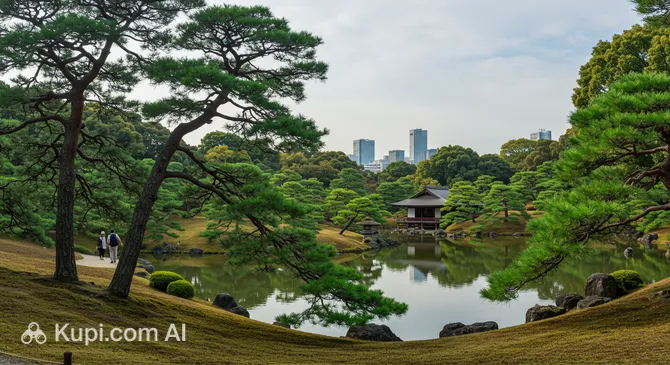
Hamarikyu Gardens. Illustration.
Source: Kupi.com AI

Traveller photos:

A special feature of Hama-rikyū Gardens is its unique location on the shores of Tokyo Bay, which allowed for the creation of impressive tidal ponds where the water level changes with the ebb and flow of the tide. Walking across elegant bridges, contemplating traditional teahouses, and observing meticulously tended plants provides an unforgettable experience. The modern skyscrapers surrounding the park create a striking contrast between ancient aesthetics and the dynamics of the metropolis.

Hama-rikyū Gardens is not just a beautiful place to relax; it is officially recognized as a Place of Scenic Beauty and a Historic Site, as well as a natural monument of Japan. This underscores its cultural and natural significance. Visiting these gardens is an opportunity to touch history, enjoy the skill of Japanese gardeners, and find peace away from the city's hustle and bustle.

Contacts

To check the current opening hours of Hama-rikyū Gardens, entrance fees, and event schedules, visit the official tourism portals of Koto or refer directly to the information boards at the park entrance. The gardens are a popular destination and are generally easy to reach by public transport; specific routes are also frequently listed on tourist maps and in guidebooks for Japan.

How to contactContact
Address1-1 Hamarikyūteien, Chuo City, Tokyo 104-0046, Japan
Phone+81 3-3541-0200
Websitewww.tokyo-park.or.jp

What to Do

Visiting Hama-rikyū Gardens is an immersion into the world of traditional Japanese landscape art. Guests can enjoy leisurely strolls along meticulously maintained paths that lead past scenic ponds, charming islets, and lushly blooming gardens. One of the main charms of the park is the opportunity to observe the changing seasons: delicate cherry blossoms bloom here in spring, bright irises delight the eye in summer, and in autumn, the park is painted in crimson and gold tones thanks to the maple trees.

A particular pleasure is a visit to the traditional teahouse located on one of the islands. Here, visitors can relax while enjoying a cup of fragrant Japanese matcha green tea and traditional sweets, while admiring the peaceful view of the water and the surrounding garden. This is a wonderful opportunity to experience Japanese culture and feel its harmony.

Hama-rikyū Gardens is known not only for its natural beauty but also for its cultural events. Tea ceremonies are held here regularly, allowing for a deeper understanding of Japanese traditions. From time to time, in memory of the site's historical past when the gardens were used for hunting, traditional falconry demonstrations are held. Additionally, the park may host exhibitions of decorative birds and organized themed tours, making every visit educational and interesting for visitors of all ages.

Getting There

Reaching Hama-rikyū Gardens, located in the central part of Tokyo, is quite simple. One of the most convenient ways is to take the subway. The nearest station, Shiodome, is served by the Toei Oedo and Yurikamome lines. It is just a few minutes' pleasant walk from the station exit to the park entrance.

Alternatively, you can go to Shimbashi station, which is served by JR lines and the Ginza subway line. The walk from there to Hama-rikyū Gardens takes about 10–15 minutes. Additionally, there is a more scenic option—taking a water bus along the Sumida River. This not only makes it easy to reach the attraction but also allows you to enjoy views of the city from the water, as the Hamarikyu pier is located right at the garden entrance.

Nearest city: Koto

History & Facts

Hama-rikyū Gardens (Hama-rikyū Onshi Teien) in Koto, Japan, is a magnificent example of Japanese landscape gardening with a rich history dating back to the 17th century. Originally, in 1654, the residence of Matsudaira Tsunashige, the younger brother of Shogun Tokugawa Ietsuna, was built on this site. This estate was named Kofu Hama-yashiki. Over time, the territory came under the ownership of the Tokugawa Shogunate and became known as Hama Goten, which translates to "Beach Palace."

During the Edo period (1603-1868), the gardens served several functions. They were a favorite spot for the shoguns' falconry, as well as a place for their rest and entertainment. A unique feature of the gardens is the Shioiri-no-ike pond, which is filled with seawater from Tokyo Bay, causing the water level to change with the tides. It is the only surviving seawater pond of its kind in Tokyo.

After the Meiji Restoration in 1868, when power shifted from the shogunate to the Emperor, Hama-rikyū Gardens became the property of the Imperial family. During this period, it was used to receive high-ranking guests and host official events. One notable event was the visit of General Ulysses S. Grant, the 18th President of the United States, during his trip to Japan.

A significant turning point in the gardens' history occurred after the Second World War. In 1945, the Imperial family donated Hama-rikyū Gardens to the city of Tokyo, and it was opened to the general public the following year. In 1952, the park was designated a Special Place of Scenic Beauty and a Special Historic Site of Japan, highlighting its cultural and historical value. Today, it is a popular recreation spot where visitors can enjoy a traditional teahouse on an island, a peony garden, and seasonal blooms.

Time Needed

When planning a visit to Hama-rikyū Gardens, it is recommended to allocate approximately 1.5 to 2.5 hours. This amount of time is usually sufficient to fully enjoy a walk through this peaceful place, without rushing, and to soak in its special atmosphere.

During this period, you will be able to not only walk along the main paths and admire the landscape design but also visit the famous teahouse located on an island in the middle of the pond. You will also have enough time to take beautiful souvenir photos, capturing the scenic views of the gardens that change depending on the season.

Of course, if you wish to spend time more meditatively, enjoying every corner of the garden, or devote more time to a tea ceremony, your stay may be slightly longer. However, for a general introduction to Hama-rikyū Gardens and its main attractions, an hour and a half to two and a half hours will be quite enough.

Working Hours

Hama-rikyū Gardens in Koto delights visitors with its beauty and tranquility. According to available information, the gardens are open to the public daily from 9:00 AM to 5:00 PM. It is important to note that last entry to the grounds is usually at 4:30 PM. While the gardens are generally open year-round, schedule changes may occur due to public holidays or maintenance work. On such days, the park may be temporarily closed.

To ensure your visit is as comfortable as possible and without surprises, it is highly recommended to check the current opening hours on the official Hama-rikyū Gardens website or verify the information at local tourist information centers before your trip. There, you can also find out if pre-booking tickets or registration is required, especially if you plan to visit during peak tourist season or during special events.

9:00 – 17:00

Nearby

A visit to Hama-rikyū Gardens is undoubtedly a highlight, but exploring the surrounding areas can make your journey even more fulfilling and memorable. Discovering nearby attractions allows you to dive deeper into the atmosphere of Koto and uncover new facets of this amazing city.

Often, it is the short strolls through neighboring streets or visits to lesser-known spots that provide the most unexpected and pleasant experiences. By extending your itinerary beyond Hama-rikyū Gardens, you get the chance to see more, feel the rhythm of the city, and gain a more complete understanding of its culture and history. Below is a list of some interesting places located nearby.

NameDistance
Ginza Lion Beer Hall1.1 km
Okuno Building1.6 km
Age.3 Ginza1.6 km
Mitsubishi Ichigokan Museum2.1 km
KITTE Marunouchi2.2 km
Marunouchi Square2.4 km
Tokyo Character Street2.5 km

Reached the bottom of the page?

Looks like you know this route inside out