Support

Daisen Park

About

Daisen Park is a vast green space sprawling across the city of Sakai, Osaka Prefecture, Japan. This magnificent park covers an area of approximately 350,000 square meters and is a true oasis of calm. It is uniquely situated between two significant historical sites: the Daisenryo Kofun, known as the Tomb of Emperor Nintoku, and the Kamiishizu Misanzai Kofun.
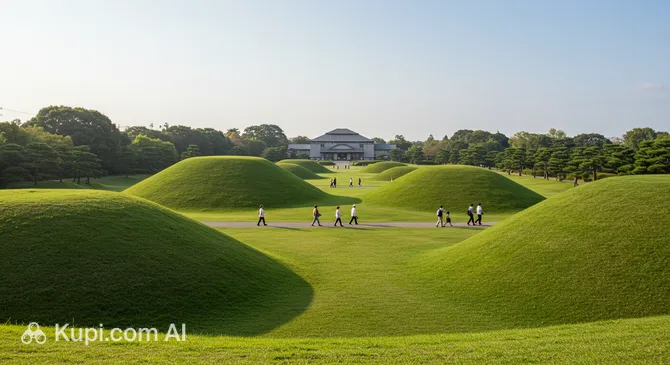
Daisen Park. Illustration.
Source: Kupi.com AI

Traveller photos:

One of the crown jewels of Daisen Park is the Daisen Japanese Garden. This is a meticulously designed traditional Japanese garden that embodies refined Japanese aesthetics in all its glory. Visitors can enjoy a serene escape from the city bustle here, immersing themselves in an atmosphere of harmony and peace. The garden offers picturesque landscapes, ponds with koi carp, and traditional architectural elements, creating an ideal place for meditation and contemplation.

Daisen Park is also famous for its proximity to the Mozu Kofun Cluster, which is recognized as a UNESCO World Heritage Site. This gives the park additional cultural and historical value, making it not just a place for outdoor recreation but also a point of contact with the country's ancient history. A walk through Daisen Park is a chance to enjoy natural beauty while feeling the breath of centuries.

Contacts

To find up-to-date information about Daisen Park, including the Japanese Garden's opening hours, upcoming events, and other details, you can visit the official resources. For the Japanese Garden located within the park, the following contact is available:

How to contactContact
Address1-chōme-4-3 Higashiuenoshibachō, Sakai Ward, Sakai, Osaka 590-0802, Japan
Phone+81 72-241-0291
Websitewww.city.sakai.lg.jp

What to Do

Daisen Park invites visitors to dive into the soothing atmosphere of its traditional Japanese garden, designed in the exquisite "tsukiyama rinsen kaiyu" (strolling pond garden) style. Here, you can enjoy leisurely walks along picturesque paths, crossing elegant bridges and resting in cozy gazebos. The garden features artificial hills, babbling waterfalls, streams, and serene ponds, creating a harmonious space for contemplation. Watching the changing seasons is a special pleasure: the blooming of various plants, the play of water, and the quiet rustle of leaves.

Beyond natural beauty, Daisen Park offers cultural enrichment as well. It is home to the Sakai City Museum, founded in 1980. The museum's exhibits are dedicated to the rich history of Sakai, a city with over a thousand years of cultural and political heritage. The museum building itself is of interest: it is harmoniously integrated into the park landscape and combines elements of traditional Japanese design with modern architectural solutions, making it worth seeing even before you step inside.

Near Daisen Park are significant historical sites — ancient burial mounds that are also worth a traveler's attention. Among them, the famous Mozu Tombs stand out, recognized as a UNESCO World Heritage Site. Visitors can view these majestic mounds, touching the ancient history of the region and sensing the scale of these unique structures.

Getting There

Daisen Park, located in the city of Sakai, is a popular destination for leisure and walks, and there are several ways to reach it. The best route will depend on your location in the city and personal preferences.

One of the most common ways to reach Daisen Park is by public transport. In Sakai, as in most cities in Japan, there is a well-developed bus network. There are likely buses that go directly to the park or stop within walking distance. It is recommended to check schedules and routes on the official website of the Sakai transport company or using popular navigation apps to find the most convenient option.

For those who prefer comfort and speed, or are traveling in a small group, taxis can be a convenient alternative. A taxi ride from downtown Sakai or the nearest major train station to Daisen Park is quick and direct. While this option is usually more expensive, it saves time and gets you to your destination without transfers. Taxis can be found at designated stands or ordered through one of the mobile apps operating in Japan.

Nearest city: Sakai

History & Facts

Daisen Park in Sakai, Japan, is more than just a vast green space; it is a place rich in history where every detail tells its own story. One of the park's gems is the Japanese Garden. According to official records, its construction took place between 1985 and 1988, with the grand opening in March 1989. This event coincided with a significant milestone — the 100th anniversary of Sakai gaining city status. Although some sources mention an earlier founding date for the garden in 1965, it was the city's centennial celebration that served as the official occasion for creating the garden in its current splendor, reflecting the cultural significance of Japanese garden art.

Daisen Park itself is located on grounds of immense historical importance. In the past, the city of Sakai was one of Japan's key trading ports, actively interacting with mainland Asia, particularly China and Korea. It is believed that these trade and cultural links brought the tradition of building majestic kofun burial mounds to Japan, which still surround the park today. The city of Sakai reached its peak during the Muromachi (1336–1573) and Sengoku (1467–1615) periods, when it became not only a bustling trade hub but also an important cultural center.

The Japanese Garden in Daisen Park was designed not just as a historical monument but also as a platform for modern cultural creativity. Its mission is to harmoniously blend ancient heritage with new cultural trends while maintaining deep respect for Japan's traditions. Thus, the garden serves as a place for contemplation and peace, as well as an important educational space open to everyone wishing to experience the rich history and culture of Sakai and the entire country.

Time Needed

To get a general sense of Daisen Park in Sakai, an average visitor will need about 2-3 hours. This will be enough for a leisurely walk through the main paths, getting to know the landscape design, and enjoying the atmosphere of this green corner of Japan.

If you plan to explore the park in more detail — for instance, visiting the Japanese Garden (if it is on your agenda), having a picnic on one of the lawns, or simply spending more time contemplating nature and escaping the city bustle — you should set aside half a day. There may also be museums or other sites within the park, which will increase your total visit time.

Thus, the minimum time for an overview is a couple of hours, but for a more immersive and relaxed experience, it is better to allow from three hours to half a day. It all depends on your pace and the depth of your interest in the park's various areas.

Working Hours

Daisen Park in Sakai is generally open to visitors year-round; however, exact opening hours may vary depending on the season and specific events held on its grounds. Some individual facilities within the park, such as museums or the tea house, may have their own schedules and require a separate entrance fee or advance booking.

To get the most up-to-date information on the opening hours of Daisen Park and its specific areas, as well as any requirements for booking tickets or tours, it is highly recommended to visit the park's official website or consult local tourist information centers just before your visit. This will help you plan your trip effectively and avoid any potential inconvenience.

Open 24/7

Nearby

A visit to Daisen Park in Sakai is a wonderful opportunity to immerse yourself in an atmosphere of tranquility and beauty. However, to make your trip even more fulfilling and complete, it is worth checking out other interesting places nearby. Exploring the surroundings will allow you to get better acquainted with the culture and history of this unique region of Japan, opening up new facets of your travel experience.

There are several notable sites near Daisen Park that can complement your walk. From historical museums to traditional gardens and shrines, there is something for everyone. Below is a list of some of them, including their distance from the park, so you can easily plan your itinerary.

NameDistance
Sakai City Museum0.1 km
Daisen Park Japanese Garden0.2 km
Mozu Hachiman Shrine1.2 km
Sakai Performing Arts Center1.5 km
Nakamozu Mashimashi2.1 km
Hochigai Shrine2.1 km
Bicycle Museum Cycle Center2.3 km

Reached the bottom of the page?

Looks like you know this route inside out