Support

Hochigai Shrine

About

Hōchigai Shrine is a landmark located in the city of Sakai, Japan. It is an ancient Shinto shrine with deep historical and cultural significance for the region. Visitors interested in traditional Japanese culture and spirituality will find this place particularly appealing.
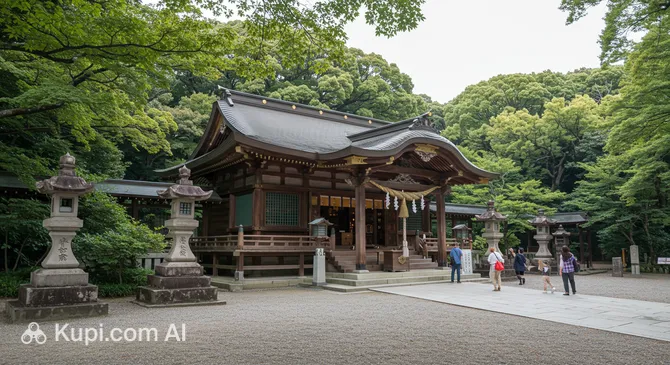
Hochigai Shrine. Illustration.
Source: Kupi.com AI

Traveller photos:

Like many Shinto shrines, Hōchigai is dedicated to kami—the deities or spirits of the Shinto pantheon. Its architecture likely reflects traditional styles characteristic of such structures, featuring iconic torii gates, a honden main hall, and other ritual buildings. The shrine serves not only as a place of worship but also as a center for community events and festivals, playing an important role in the life of the local community.

A particular draw of Hōchigai Shrine is its atmosphere of tranquility and connection to the past. Walking through its grounds allows you to touch upon centuries-old traditions and feel the spirit of old Japan. This is a place where you can escape the city's hustle and bustle, reflect, and enjoy the beauty of traditional Japanese architecture and the nature that often surrounds such shrines. For many visitors, it is an opportunity to gain a deeper understanding of the country's unique culture and beliefs.

Contacts

To get the most up-to-date information regarding Hōchigai Shrine, including visiting hours and possible contact details, it is recommended to visit the shrine's official website, if available, or contact the local tourist information centers in the city of Sakai. They usually provide detailed information about attractions and how to contact them.

How to contactContact
Address2-chōme-2-1 Kitamikunigaokachō, Sakai Ward, Sakai, Osaka 590-0021, Japan
Phone+81 72-232-1216
Websitewww.hochigai-jinja.or.jp

What to Do

Hōchigai Shrine in Sakai is a place where visitors can connect with the spiritual culture of Japan and enjoy an atmosphere of peace and serenity. Like many Shinto shrines, it offers a unique opportunity to disconnect from the urban rush and immerse oneself in the world of ancient traditions.

When visiting Hōchigai Shrine, guests can observe traditional Japanese architecture. Look for characteristic elements of Shinto shrines: elegant roofs, wooden structures, and perhaps the sacred torii gates, symbolizing the transition from the mundane to the sacred. The shrine grounds are likely well-maintained and may include garden elements or sacred trees, creating a special atmosphere of oneness with nature.

Visitors to the shrine can not only admire its beauty but also participate in certain rituals, if available. This might include praying for well-being, purifying oneself with water at a special temizuya fountain, or purchasing omamori (charms for luck and protection) and ema (wooden plaques for writing wishes). Even a simple stroll through the shrine grounds and observing local customs will be an interesting experience.

Hōchigai Shrine offers a chance to feel the spirit of old Japan. It is not just a tourist attraction, but an active place of worship where you can see how modern Japanese people honor their traditions. Visiting such a place allows for a deeper understanding of the culture and worldview of the people of the Land of the Rising Sun.

Getting There

There are several ways to reach Hōchigai Shrine in Sakai, depending on your location and preferences. Generally, Japanese cities have a well-developed public transport system, making getting around quite convenient.

The most likely option will be using local trains or buses. In Sakai, as in many cities across Japan, rail connections and bus routes typically cover the main tourist sites. You should check for the nearest station or bus stop to the shrine. Information on routes and schedules can often be found at stations, tourist information centers, or via online maps and navigation apps, which are very popular in Japan.

If you prefer a more comfortable and faster way to travel, taxi services are always available. You can take a taxi from your hotel, a major railway station in Sakai, or simply hail one on the street. A taxi ride will likely be more expensive than public transport, but it can be more convenient, especially if you are traveling with luggage or in a group.

Before your trip, it is recommended to check current routes and potential transport changes to plan your journey to Hōchigai Shrine in the most optimal way. It can also be helpful to have the name of the attraction written in Japanese to facilitate communication with taxi drivers or locals if assistance is needed.

Nearest city: Sakai

History & Facts

Hōchigai Shrine (Hōchigai Jinja) in Sakai is not just an ancient religious structure, but a place with a unique history and deep spiritual significance for many Japanese people. Its name literally translates to "shrine of direction change" or "shrine for avoiding unfavorable directions," which directly points to its main specialization—protection from misfortunes associated with unlucky directions according to traditional Japanese beliefs.

Historically, the belief in auspicious and inauspicious directions (a concept known as katatagae or hoi) was widespread in Japan, particularly during the Heian and Kamakura periods, under the influence of the teachings of Yin and Yang (Onmyōdō). It was believed that before important events, such as traveling, moving, or starting construction, it was necessary to "clear" the direction or take a detour if the direct path was considered unfavorable. Hōchigai Shrine emerged as a place where people could pray for protection and a successful outcome for matters involving movement and life changes.

One of the notable features of the shrine is its role as a spiritual guide for those seeking protection while traveling or changing their place of residence. It is believed that prayers at Hōchigai Jinja help avoid troubles associated with "bad" directions and ensure good luck in new endeavors. Many Japanese people still visit the shrine before long journeys, moving to a new home, or starting an important project to receive a blessing and peace of mind.

In addition to its primary function, Hōchigai Shrine, like many Shinto shrines, offers visitors a peaceful atmosphere where they can take a break from the city bustle and touch upon ancient traditions. Its architecture and rituals reflect the centuries-old history and culture of Japan, making it an interesting site not only for believers but for everyone interested in Japanese heritage.

Time Needed

When planning a visit to Hōchigai Shrine in Sakai, you should aim for 1–2 hours for a full experience. This time is usually enough to see the main shrine buildings, walk around the grounds, and soak in the atmosphere of this spiritual corner of Japan.

The time you spend at the shrine can vary depending on your level of interest. If you just want to quickly see the architecture and take a few photos, an hour might suffice. However, if you plan a more thoughtful visit, wish to observe rituals (if any are taking place during your visit), sit quietly in the peaceful surroundings, or study the details of the temple buildings in depth, it is better to set aside more time in your schedule, perhaps up to two hours.

Overall, Hōchigai Shrine is not one of those massive complexes requiring an entire day to explore, but it certainly deserves a leisurely and attentive visit to feel its unique spirit and cultural significance.

Working Hours

Exact information regarding the operating hours of Hōchigai Shrine in Sakai may vary, so it is highly recommended to check the shrine's official website or verify details with local tourist information centers before your visit. This will help you get the most current information on opening and closing times, as well as any schedule changes related to holidays or special events.

Generally, many temples and shrines in Japan are open to visitors throughout the year; however, some events or access to certain parts of the complex may require advance booking or a ticket. Confirming these details in advance will make your visit more comfortable and help you avoid any surprises.

9:00 – 16:00

Nearby

Visiting Hōchigai Shrine is undoubtedly a highlight, but exploring its surroundings can significantly enrich your experience of Sakai. Often, it is small walks through nearby streets or visits to neighboring interesting sites that allow for a deeper immersion into the city's atmosphere and the discovery of something unexpected and unique.

Several other notable sites are located near Hōchigai Shrine, which can complement your cultural itinerary. Exploring these places will allow you to get a more complete picture of Sakai and its multifaceted history and culture.

NameDistance
Bicycle Museum Cycle Center0.5 km
Sakai Alphonse Mucha Museum0.6 km
Sakai Performing Arts Center1 km
Sakai Traditional Crafts Museum1.3 km
Nankai Grill Naka1.4 km
Strawberry Picking Farms (Sakai)1.4 km
Sakai City Museum2 km

Reached the bottom of the page?

Looks like you know this route inside out