Support

Pasir Gudang

About

Pasir Gudang is a dynamic and colorful city located at the southern tip of the peninsula in the state of Johor. Situated on the shores of the Johor Strait, it plays a key role as a major industrial and port center that Malaysia takes great pride in. However, behind the facade of industrial achievement lies a cozy destination with an abundance of green spaces, where the modern pace of life blends harmoniously with traditional Malay hospitality and the relaxed atmosphere of a coastal town.

Geographically, the city occupies a strategic position just a few dozen kilometers from the border with Singapore, making it a convenient transit point for travelers. With a population of over 312,000, Pasir Gudang continues to develop actively, with new residential neighborhoods and modern infrastructure popping up. The climate here is tropical, warm, and humid, while its proximity to the sea provides a pleasant breeze. To learn more about how this settlement evolved, you can explore the history of Pasir Gudang section, which describes the city's journey from a sand quarry to an economic hub.
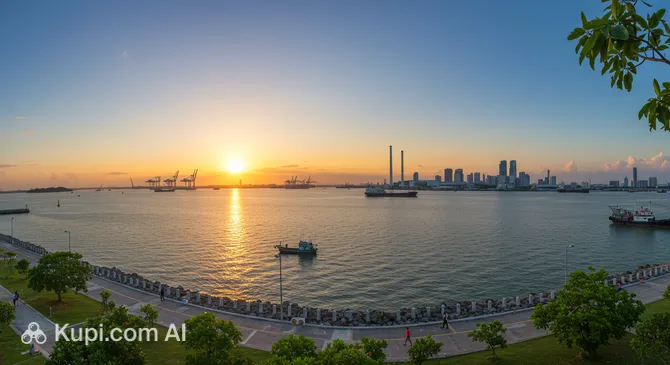
Pasir Gudang. Illustration.
Source: Kupi.com AI

The city attracts tourists with its unique features that set it apart from its neighbors. First and foremost, Pasir Gudang is unofficially known as the kite capital: it is home to the famous Layang-Layang Hill and a museum dedicated to this art, while the annual international festival brings together enthusiasts from all over the world. Additionally, the city is famous among auto and motorcycle racing fans thanks to the Johor Circuit. Nature lovers will also find a sanctuary here, exploring mangrove forests and well-maintained city parks.

Pasir Gudang is an excellent choice for those who want to see the real, "living" country without a glossy tourist veneer. It is a place full of contrasts and inspiration, where industrial power coexists with natural beauty. Come here to enjoy authentic cuisine, stroll along the waterfront, and experience the sincere warmth of the local residents.
Weather Overview

The climate in Pasir Gudang is typical for equatorial latitudes: eternal summer reigns here, warm and humid. The temperature background remains remarkably stable throughout the year, without sharp seasonal fluctuations. The average air temperature stays in a comfortable range from +26°C to +28°C. During the day, the thermometer usually rises to +29...+30°C, and nights bring only slight coolness when the air cools to +24...+25°C.

One of the main features of the local weather is high humidity and regular precipitation. Rain is frequent here: the number of "wet" days varies from 17 in February to 29 in months like May or November. Expect consistently hot weather with frequent tropical downpours, which are generally heavy but short-lived. Even during the rainiest periods, the sun often peeks through the clouds, so beach holidays and walks remain relevant.

When planning your trip, it's worth preparing in advance for the whims of the tropics. Current weather in Pasir Gudang will help you choose a good time for your visit and pack your suitcase correctly. Light clothing and a reliable umbrella will be your best companions in this evergreen city.

Average monthly temperature

Average monthly precipitation

Interesting Facts

Beyond its industrial power and port bustle, Pasir Gudang hides surprising cultural and historical features that often escape the notice of ordinary tourists. This city can surprise you with its unusual traditions and legends, making it much more than just a point on the map.

  • The city bears the unofficial title of the "world capital of kites." It is home to Malaysia's first Kite Museum, and the annual international festival attracts enthusiasts from all corners of the planet. The epicenter of this colorful event is Layang-Layang Hill, where the sky turns into a living kaleidoscope of fantastic shapes and colors.

  • The name "Pasir Gudang" literally translates from Malay as "sand warehouse" (Pasir — sand, Gudang — warehouse). Historians link this to the fact that sand was once extracted here for export to neighboring Singapore, while local legends tell of sea traders who used the coastal sands as hiding places for their goods and treasures.

  • For wildlife lovers, there is a unique place here — the Sarang Buaya sanctuary, whose name means "Crocodile's Nest." This is not just a zoo, but a specialized zone where you can observe the lives of hundreds of crocodiles in an environment as close as possible to their natural habitat, and learn many new things about these ancient predators.

  • Despite its industrial status, the city is an important center for elite sports. The Tanjung Puteri Golf and Resort is famous throughout the country for its golf courses, and local motorsport tracks regularly host high-level competitions, attracting racers and fans from across the region.

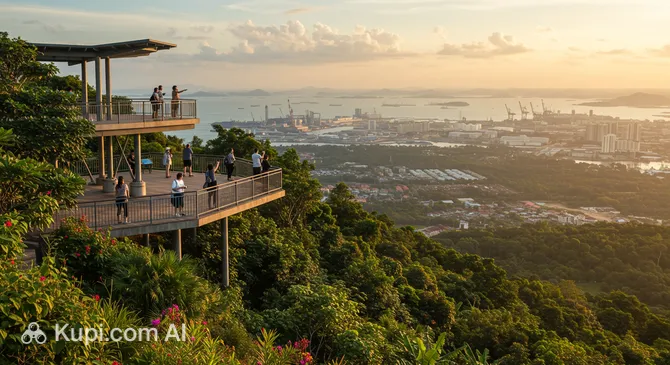
Layang-Layang Hill. Illustration.
Source: Kupi.com AI

Traveler photos:

How to Get There

Pasir Gudang, being an important industrial center in the state of Johor, boasts developed transport accessibility. Most travelers arrive here in transit through the neighboring large city of Johor Bahru or from Singapore. You can find all the details and alternative routes by visiting the how to get to Pasir Gudang page.

Pasir Gudang itself does not have its own airport, but its proximity to major transport hubs makes air travel a convenient option. The nearest air gateway in Malaysia is Senai International Airport (IATA: JHB), located in Johor Bahru. It is approximately 32 km from Pasir Gudang. A taxi ride from the airport will take about 40–50 minutes, depending on traffic. This is a medium-sized regional hub that accepts many domestic flights from Kuala Lumpur and other cities across the country.

An alternative and very popular option for international tourists is Changi International Airport (IATA: SIN) in Singapore. Geographically, it is very close — only 16 km as the crow flies; however, keep in mind that it is located in a different country. The journey will require crossing the state border via the causeway and passing through passport control, which can take extra time. Nonetheless, it is one of the world's largest hubs with a vast number of flights.

For clarity, here is summary information on the main airports in the region:

AirportPassenger trafficDistance
Changi International Airport67.7 mln16 km
Senai Airport4.3 mln32 km
Hang Nadim International Airport4.0 mln45 km
Kidjang Airport264 00093 km
Tioman15 000152 km

Rail travel is also a convenient way to reach the region, although there is no passenger station in Pasir Gudang itself. Tourists typically take the train to the JB Sentral station in Johor Bahru. This station is a key transport hub for the south of the peninsula and is connected to the rail networks of Singapore and the rest of Malaysia. The distance from JB Sentral to the center of Pasir Gudang is about 20–25 km, which can be easily covered by local bus or taxi in about 30 minutes.

In addition to aviation and trains, Pasir Gudang is well-connected to other cities by a network of highways. Intercity buses regularly arrive at the local bus station. If you are traveling by rental car, follow the Pasir Gudang Highway, which connects the city with the center of Johor Bahru and the North-South Expressway.

Main Attractions

Although Pasir Gudang is primarily known as an industrial giant, there are places here that allow you to escape the city bustle and immerse yourself in the unique atmosphere of the region. The city's main attractions are centered around outdoor recreation, cultural traditions, and modern leisure, offering tourists an interesting balance between nature and civilization.

The undisputed symbol of the city and its green heart is Layang-Layang Hill. This is not just a park, but a world-famous venue for kite flying. It is here that the colorful international festival takes place annually, gathering participants from across the globe. For tourists, it is an ideal spot for evening walks, picnics, and watching the sky light up with hundreds of bright kites. Located next to the park is the Kite Museum, where you can learn about the history of this fascinating hobby.

Fans of speed and adrenaline should check out the Johor Circuit. This was the first international car and motorcycle racing track in Malaysia. Even if you don't catch a major competition, visiting this site allows you to touch a piece of Malaysian sporting history. The track is often used for practice sessions and local championships, drawing fans of the roar of engines.

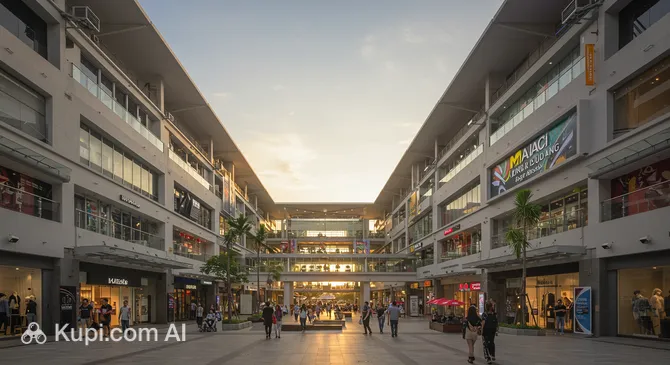
U Sentral Masai. Illustration.
Source: Kupi.com AI

Traveler photos:

For those who want to feel the rhythm of modern city life and escape the tropical heat, large shopping and entertainment complexes become the centers of attraction. One of the most popular spots is U Central Masai. It is not just a place for shopping, but a vital hub of social life where you can find a cinema, bowling alley, and numerous cafes. Also worth noting is KIPMall Masai, known for its affordable approach and wide selection of goods reflecting the local flavor.

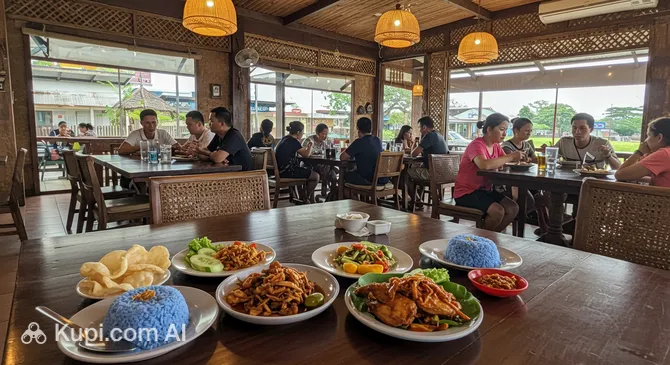
Gastronomic tourism can also be considered a kind of attraction in Pasir Gudang. Travelers should definitely visit local establishments that have become legendary, such as the Nasi Blau restaurant. Here, they serve dishes that cannot be found in standard tourist guides, making a visit here a true culinary discovery.

Local Cuisine

The culinary scene of Pasir Gudang is a vivid reflection of Malaysia's cultural diversity, where traditional Malay recipes intertwine with Chinese and Indian culinary traditions. Thanks to its coastal location, the city is famous for its fresh seafood. Fish, shrimp, crabs, and squid reach the table literally within hours of being caught. Local chefs masterfully grill them with spicy sauces or stew them in fragrant coconut milk.

Rice and noodle dishes, generously seasoned with local spices, hold a special place in the diet. You should definitely try the famous laksa soup — spicy and rich, which in this region is often prepared with special herbs and seafood. If you are looking for authentic flavors, we recommend visiting the Nasi Blau restaurant. This establishment is popular with both locals and visitors thanks to its signature dishes that convey the true home-cooked taste of Malay cuisine.

Nasi Blauk. Illustration.
Source: Kupi.com AI

Traveler photos:

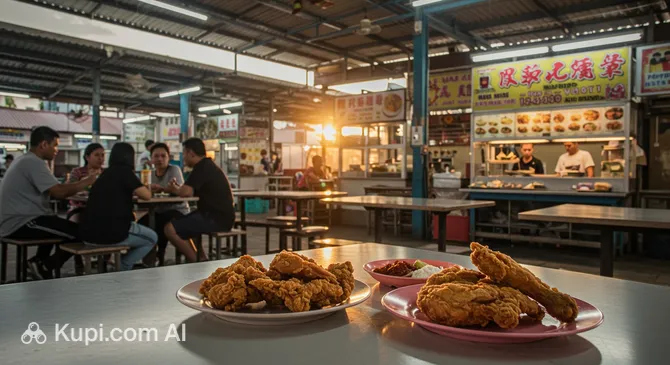
Street food is a separate chapter in the city's cookbook. Strolling through the night markets, it's impossible to resist the aroma of satay — miniature chicken or beef skewers served with a thick peanut sauce. Also popular are fried bananas ("pisang goreng") and various snacks prepared right before your eyes, turning the process into a small culinary show. For fans of more familiar yet still colorful snacks, Krispy Chicken Pasir Gudang is an excellent choice, where the chicken is prepared with a special crunch.

To refresh themselves in the tropical heat, locals choose drinks made from natural fruits. Coconut water, drunk straight from the nut, is the perfect option for quenching thirst. Also popular are sweet iced drinks like "chendol" (a dessert with rice flour jelly, coconut milk, and palm sugar) or freshly squeezed juices from exotic fruits.

For those with a sweet tooth, Pasir Gudang offers cozy bakeries where you can try desserts using coconut and palm sugar. The food culture here is very democratic: you can eat deliciously in air-conditioned restaurants or at simple tables in street cafes. The city often hosts gastronomic festivals where you can get acquainted with family recipes passed down through generations.

Travel Tips

Preparing for your trip to Pasir Gudang will help you avoid minor organizational hiccups and focus on the unique atmosphere of this city. We have gathered the most important recommendations to make your stay in this corner of the Johor state comfortable and safe.

  1. Clothing and Climate. Since eternal summer with high humidity prevails in the region, opt for loose clothing made from natural fabrics like cotton or linen. Be sure to bring a compact umbrella or raincoat — tropical downpours here are sudden and heavy. Given the conservative traditions of the local population, it is better to choose items that cover the shoulders and knees for city walks, especially if you plan to visit areas near mosques.
  2. Transport Nuances. The city has no metro, and the bus network can seem complicated for a tourist. The most convenient and inexpensive way to get around is using the Grab mobile app (similar to Uber). We recommend installing it in advance and linking a card. If you plan to travel outside the city, for example, to the beaches of Desaru, it makes sense to rent a car, as the roads here are of excellent quality.
  3. Financial Matters. The national currency is the ringgit. Although Malaysia is a modern country and cards are accepted in shopping centers and hotels, you will definitely need cash. It is indispensable at night markets ("pasar malam"), in small cafes, and souvenir shops. ATMs are easy to find in large supermarkets and at gas stations, but it is better to withdraw money during the daytime in crowded places.
  4. Health and Hygiene. Pasir Gudang is a safe city, but the tropical climate requires protection from insects. Be sure to use mosquito repellents, especially in the evening. Drinking tap water is not recommended — buy bottled water. Pharmacy chains like Watsons or Guardian are in most shopping centers and offer a wide range of familiar medications.
  5. Connectivity and Internet. English is widely spoken, and most locals will be able to communicate with you. For stable internet, buy a local SIM card (operators Celcom, Maxis, or Digi) immediately upon arrival or at any 7-Eleven store. This will ensure you have a connection for calling taxis and navigation, as public Wi-Fi is not available everywhere.
  6. Local Etiquette. Malaysians are very polite and value respect for traditions. Always remove your shoes when entering a private home or a place of worship. It is important to remember the right-hand rule: you should greet people, hand over money, or eat only with your right hand, as the left is considered "unclean."
  7. Things to Avoid. Never point at people or objects with your index finger — it is considered rude. If you need to point at something, locals use the thumb of their right hand with the other fingers folded into a fist. Also, avoid overly overt displays of affection (kissing and hugging) in public places.
  8. Tip for the Perfect Evening. Plan your outdoor walks, for example, at Layang-Layang Hill, after 5:30 PM. At this time, the daytime heat subsides, and the city comes alive: locals come out to fly kites, and street vendors begin preparing the most delicious snacks. This is the best time to feel the true rhythm of life in Pasir Gudang.

Following these simple rules will help you adapt quickly and feel like a welcome guest. Pasir Gudang opens up to those who respect its way of life and are ready to enjoy the moment, whether it's a delicious dinner at a night market or flying a kite at sunset.

Entertainment & Nightlife

Nightlife and Entertainment:

Nightlife in Pasir Gudang has its own unique, steady rhythm, distinct from bustling metropolises like Kuala Lumpur. You won't find districts with night clubs thumping until dawn or endless bar streets here. Evening leisure in this region is primarily about gastronomic discoveries, interacting with locals, and quiet relaxation with friends or family. Most activity after sunset shifts towards the lively night markets ("pasar malam") and 24-hour open-air cafes.

The center of attraction for those seeking modern entertainment are the large shopping complexes. For instance, U Central Masai offers excellent opportunities for evening leisure. Here, you can visit a modern cinema to watch global premieres or play a round of bowling. This is a popular meeting spot for young people, where it is comfortable to spend time in air-conditioned coolness, escaping the tropical humidity.

Gastronomy is the main component of the city's nightlife. Locals love to dine late, so many establishments stay open until late at night. If you want to experience an authentic atmosphere, head to Nasi Blau. This place is famous for its traditional dishes and cozy setting, perfect for a leisurely dinner. For fans of more familiar fast food with a local twist, Krispy Chicken Pasir Gudang is a great option, where you can grab a snack of crispy chicken until late evening.

Crispy Chicken Pasir Gudang. Illustration.
Source: Kupi.com AI

Traveler photos:

The atmosphere in Pasir Gudang in the evening is very democratic and relaxed. The dress code in most establishments is casual, but considering Malaysia's cultural traditions, it is recommended to choose modest clothing. The crowd here is friendly, consisting mostly of local families and groups of friends. Alcohol is not sold everywhere: it is absent in halal establishments, but beer and cocktails can be found in Chinese restaurants or hotel bars. Prices for food and entertainment are very affordable, with the average bill for a hearty dinner being significantly lower than in the capital.

In terms of safety, Pasir Gudang is a quiet city, but tourists should still observe basic precautions. For traveling at night, it is best to use official taxi services like Grab, as public transport runs infrequently late at night. Avoid walking through unlit industrial zones and outskirts. Central districts and areas around shopping malls like KIPMall Masai are well-lit and safe for an evening promenade.

As for daytime entertainment, it harmoniously complements the evening program. The city offers a visit to the unique Kite Museum or a stroll through picturesque parks. However, it is with the onset of dusk, when the heat subsides, that the city truly comes alive, filling with the aromas of spices and the sounds of lively conversation.

Parks & Museums

Despite its reputation as a major industrial center, Pasir Gudang can pleasantly surprise travelers with its well-maintained green spaces and unique cultural sites. City authorities pay great attention to creating a comfortable environment, so you can find excellent spots for outdoor relaxation here that coexist harmoniously with residential quarters, allowing you to escape the city hustle.

The undisputed dominant feature among natural attractions is the famous Layang-Layang Hill. This is an expansive park that has become the city's hallmark. Its open spaces are perfectly wind-swept, making it the best place in the region for kite flying. For tourists, it is a wonderful opportunity to have a picnic on the grass, watch the skill of locals managing bright kites, or simply enjoy the panoramic views. The park is equipped with walking paths and gazebos, making it a popular spot for family recreation in the evenings.

Layang-Layang Hill. Illustration.
Source: Kupi.com AI

Traveler photos:

Another important green zone is the City Park (Taman Bandar Pasir Gudang). This is a true oasis of tranquility with picturesque lakes, shaded alleys, and manicured gardens. There are convenient jogging paths and playgrounds here. The park attracts morning runners and those seeking solitude with a book in hand. The bridges over the water bodies, where you can feed the fish and take beautiful photos, give the place a special charm.

The city's cultural life is centered around its main passion — kites. The Kite Museum (Muzium Layang-Layang), located at the top of the hill of the same name, is the first and only institution of its kind in Malaysia. The museum's exhibition tells the rich history of this traditional Malay art, showcasing hundreds of unique exhibits from around the world. Here, you can see everything from tiny models to giant structures, and learn about the symbolism of the patterns decorating traditional "wau" (Malay kites).

For lovers of wildlife and unusual experiences, a visit to the Crocodile Sanctuary (Sarang Buaya) is recommended. Although it is not a museum in the classic sense, the site performs an important educational function. Over a hundred species of reptiles live here, and visitors can learn many new things about the life cycle and habits of these ancient predators in conditions as close as possible to their natural ones.

If you want to feel the true local flavor, we suggest coming to the parks closer to sunset, after 6:00 PM. At this time, the daytime heat subsides, and the green zones fill with locals: families walk with children, young people engage in sports, and dozens of colorful kites begin to soar in the sky above the hills, creating a unique atmosphere of coziness and celebration.

Getting Around

The public transport system in Pasir Gudang is quite simply organized and primarily focused on road travel. Unlike metropolises, there is no metro, tram, or city train here. The main way for locals and tourists to get around remains buses and taxi services. The main transport hub is the Pasir Gudang Bus Terminal, located in the city center, from where both city and intercity services depart.

The bus network connects the city with the state's administrative center, Johor Bahru. A popular operator is Causeway Link (known for their "smiling" yellow buses). They run on a schedule and are considered a reliable option for travel. The Bas Muafakat Johor program also operates in the region, but it is primarily aimed at local residents, so tourists more often use commercial routes.

Regarding the payment system, local buses mostly accept cash. It is vital to have small bills and coins with you, as drivers often do not give change. For regular bus trips with Causeway Link, you can purchase a reloadable ManjaLink card. The universal Touch 'n Go card, widely used in Malaysia for toll roads and parking, may also be useful, although in Pasir Gudang its use directly inside the bus may depend on the specific carrier.

The most convenient and popular alternative to buses is ordering a car through mobile apps. The Grab service (similar to Uber) works reliably here and allows you to see the trip cost in advance, eliminating the need to haggle with regular taxi drivers. This is especially relevant if you need to get to industrial zones, the port, or remote attractions where public transport runs rarely or irregularly.

Tourists planning to move around actively should consider renting a car or using car-sharing services if you have the appropriate apps and an international driver's license. The road network in the city is good, and traffic is less dense than in neighboring Johor Bahru. If you still decide to use buses, remember that the main routes operate roughly from 06:00 to 22:00. Always check the current schedule at the bus station or via the LUGO app (for Causeway Link buses), as service intervals may be longer on weekends.

Accommodation

Accommodation in Pasir Gudang has its own specific character due to the city's industrial and port status. You won't find the endless rows of beach hotels typical of resort areas here, but the choice of accommodation is wide enough to satisfy the needs of both business travelers and tourists. The hotel stock primarily consists of practical and functional options: from budget guesthouses to mid-range hotels offering a decent level of comfort at reasonable prices.

The most common type of accommodation is small budget hotels, often located in commercial districts (known as shop-lot hotels). They offer a basic set of amenities, cleanliness, and air conditioning, making them ideal for a short stay. For those seeking more comfort, the city has several large business hotels and a resort complex with a golf course where you can relax in peace. Apartment rentals and homestays are also gaining popularity — these are excellent options for large families wanting to immerse themselves in local life.

When choosing an area, you should be guided by the purpose of your visit. Pusat Bandar (City Center) is convenient due to its proximity to administrative buildings, the stadium, and the park at Layang-Layang Hill. This is the best choice if you have come for the kite festival. Another popular residential area is Masai. Here, life hums until late evening, and there are many inexpensive cafes, shops, and night markets nearby, while accommodation prices are often lower than in the center.

Booking tip: Pasir Gudang is rarely overcrowded with tourists, so you can often find a free room even a couple of days before arrival. The exception is the period of the International Kite Festival (usually in late February or early March). During these days, thousands of participants and spectators from all over the world flock to the city, and the best accommodation options are booked several months in advance. If your trip falls on these dates, take care of your housing early.

The price range in the city can be characterized as budget and mid-range. The cost per night here is generally noticeably lower than in neighboring Johor Bahru or, especially, in Singapore. Booking is most convenient through popular international online platforms, where current prices and reviews are available. In small family hotels and guesthouses, cash payment on-site is also possible, but preliminary arrangements via messaging apps or phone would not be misplaced in such cases.

Nearby Cities

For those who want to explore the surroundings, Pasir Gudang serves as an excellent starting point for day trips to several interesting nearby locations:

Johor Bahru — the state capital and nearest major neighbor, located just 20–30 minutes away. It is a dynamic metropolis offering tourists a rich choice of entertainment: from shopping in huge malls to visiting historical landmarks such as the majestic Sultan Abu Bakar State Mosque. Families with children will particularly enjoy a trip to the famous Legoland theme park located in the suburb of Iskandar Puteri.

Desaru — a magnificent resort area on the east coast, reachable in about an hour. It is an ideal destination for lovers of beach holidays and nature. Here, you can relax on clean sandy beaches, visit an ostrich farm, or spend an active day in one of the region's largest water parks. The atmosphere of Desaru differs strikingly from the industrial landscape of Pasir Gudang, offering tranquility and a sea breeze.

While the city's surroundings are rich in local attractions, travelers can also consider trips to other significant cities in the country located in neighboring regions:

CityPopulationDistance
Taman Johor Jaya66 00014 km
Johor Bahru497 09715 km
Singapore5 983 00016 km
Batam1 300 00041 km
Tanjung Pelepas41 km

These nearby destinations provide an insight into the diverse culture and landscapes of the region.

Shopping & Souvenirs

Shopping in Pasir Gudang is an experience far removed from the glossy boutiques of the world's fashion capitals, but therein lies its charm. A practical and authentic approach prevails here: retail outlets are geared towards the daily needs of local residents and offer goods at very democratic prices. For a tourist, this is an excellent opportunity to purchase high-quality textiles, electronics, and local delicacies without tourist markups, immersing yourself in the true atmosphere of Malaysian daily life.

The city's main commercial activity is concentrated in the Masai district. This is a lively part of the metropolitan area where rows of traditional shophouses — two-story buildings with shops, pharmacies, clothing stores, and workshops on the ground floors — line the streets. A stroll through this neighborhood allows you to find everything: from inexpensive t-shirts and shoes to household trifles and fresh fruit. It is always noisy and crowded here, creating the colorful atmosphere of an eastern city.

If you prefer the comfort and cool of air conditioning, you should visit the local shopping centers. One of the most popular places for family shopping is KIPMall Masai. This is a community shopping complex where a supermarket with fresh products, many stalls with gadgets and accessories, and inexpensive clothing stores are gathered under one roof. It is ideal for those who want to buy necessities at favorable prices.

A more modern format of shopping and entertainment is offered by U Central Masai. This mall is a magnet for young people and families: here, you can not only walk through brand-name mass-market stores but also visit a cinema or a bowling alley. The range of goods here is wider and includes cosmetics, sporting goods, and fashionable clothing.

An integral part of the local trading culture are the markets, especially the night markets — "pasar malam." They open towards evening on certain streets, turning them into pedestrian zones. A special atmosphere reigns at these markets: the smells of fried food mix with the aromas of spices. Here, you can buy cheap clothes, toys, and, of course, try a huge number of street snacks. This is the best place to find inexpensive souvenirs and get to know the gastronomic preferences of the townspeople.

Speaking of souvenirs, it's worth bringing back something from Pasir Gudang related to its status as the "kite capital." Miniature models of traditional Malay "wau" kites make wonderful gifts and interior decorations. Also, look out for batik products — painted fabric popular throughout Malaysia. Gastronomic souvenirs can include local snacks, such as fish or shrimp crackers (keropok), and spices for making curry.

Shops in shopping centers usually operate from 10:00 AM to 10:00 PM daily. Small private shops may close earlier, around 6:00 PM – 7:00 PM. As for payment, credit cards (Visa, Mastercard) and contactless payments are accepted without problems in large malls and supermarkets. However, in markets, small shops, and snack bars, cash (ringgits) remains the primary, and often the only, means of payment, so always keep small bills on you.

The tax-free system for tourists is practically not applied in Pasir Gudang, as the city is not a major duty-free trading zone. Most shops here are oriented toward the domestic market, so you should not count on tax refunds. Enjoy the low prices, which are already attractive here anyway.

Reached the end of the page?

That means the route is fully explored