Support

Gol Stave Church

About

The Gol Stave Church (Norwegian: Gol stavkirke) is a true treasure of wooden architecture, a unique stave church built in the 13th century. This outstanding example of medieval Norwegian architecture is today one of the most prominent exhibits at the Norwegian Museum of Cultural History in Oslo.
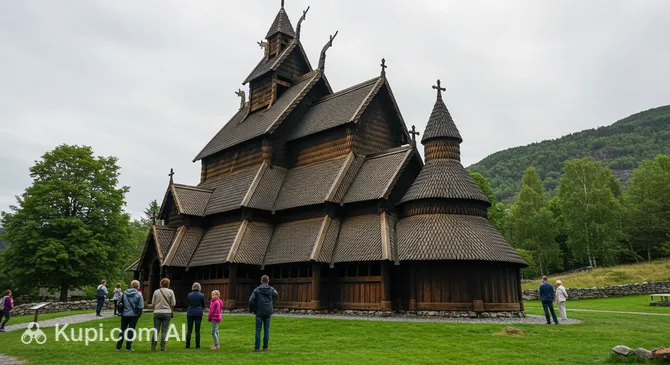
Gol Stave Church. Illustration.
Source: Kupi.com AI

Traveler photos:

The church belongs to a special type of wooden structure—stave churches—characteristic of medieval Scandinavia. It is one of only 28 surviving stave churches in Norway, making it an extremely valuable historical artifact. Originally built in the Gol municipality, it was carefully moved to the capital in 1884 and meticulously restored a year later.

Visitors to the Gol Stave Church can not only admire its distinctive exterior architecture but also look inside, where original 17th-century paintings have been preserved. This is not just an ancient building, but a living testament to the country's rich history and cultural traditions, attracting numerous tourists and researchers.

Contacts

Since the Gol Stave Church is a valuable exhibit of the Norwegian Museum of Cultural History, it is recommended to consult the museum's information directly for visiting details, such as opening hours or possible guided tours. Current contact information and directions are usually listed on the official website of the Norwegian Museum of Cultural History in Oslo.

As a rule, the museum where the stave church is located can be reached by public transport from the center of Oslo. Detailed routes and travel options are best checked on the museum's website or at the city's tourist information centers.

How to contactContact
AddressMuseumsveien 10, 0287 Oslo, Norway
Phone number+47 22 12 37 00
Websitewww.folkemuseet.no

What to Do

A visit to the Gol Stave Church offers a unique experience of immersion into the history and architecture of medieval Norway. First and foremost, you will have the opportunity to examine the exterior architecture of this impressive wooden structure in detail. Note the intricate carvings, multi-tiered roofs, and characteristic dragon heads decorating the roof ridges—all these are hallmarks of the Norwegian stave church style. A leisurely stroll around the church will allow you to appreciate it from all sides and take memorable photos against the backdrop of this historical monument.

No less fascinating will be the exploration of the church's interior, as access is open to visitors. Here, you can see surviving 17th-century paintings that decorate the walls and ceiling, providing insight into the religious art and beliefs of that time. These paintings are not only an artistic asset but also important evidence of the region's cultural evolution. The atmosphere inside the church, steeped in the spirit of centuries, leaves a strong impression.

Furthermore, getting to know the Gol Stave Church is a wonderful opportunity to deepen your knowledge of Norwegian wooden architecture. By studying the church's design features, you can try to understand the unique construction technologies used by master builders of the past. As researchers note, the architecture of the Gol Stave Church bears a resemblance to the stave church from the village of Hegge. This gives curious visitors a chance to study the characteristic features and perhaps draw parallels between different styles of ancient Norwegian temples, especially if you are interested in architectural history.

Getting There

Gol Stave Church is located on the grounds of the Norwegian Museum of Cultural History (Norsk Folkemuseum), situated on the scenic Bygdøy peninsula in Oslo. This area is a popular tourist destination in its own right, known for its many museums and green spaces, making a trip here even more pleasant.

Getting to the museum—and therefore to the stave church—from central Oslo is quite easy thanks to a well-developed public transport system. One of the most convenient ways is by bus. Several routes run regularly between the city center and the Bygdøy peninsula, taking visitors directly to the museum complex.

During the warmer months, a ferry ride can be an especially pleasant option. Ferries depart from the pier near the City Hall (Rådhusbrygge) and offer not only a convenient transfer but also a chance to enjoy beautiful views of the Oslo Fjord on the way to Bygdøy. The ferry trip usually takes little time and adds a special flair to the journey.

Before your trip, it is recommended to check the current schedules and bus or ferry route numbers on the official website of the Norwegian Museum of Cultural History or on the Oslo transport company website (Ruter). You can also consider taking a taxi, especially if you are traveling in a group or with a lot of luggage, although public transport in Norway is highly efficient and comfortable.

Nearest city: Oslo

History & Facts

The history of the Gol Stave Church dates back to the 12th-13th centuries. It is believed to have been built between 1157 and 1216, with its first written mention dating back to 1309. Originally, this unique wooden church was not located in Oslo, but in the municipality of Gol, in the picturesque Buskerud region of Norway. For centuries, it served as a spiritual center for the local population.

By the beginning of the 19th century, the Gol Stave Church had become too small for the growing community. In 1802–1803, the building underwent significant changes: the galleries around the nave were dismantled, and new exterior walls were erected. A porch with a gabled roof was added in front of the western portal. However, despite these renovations, by the end of the 19th century, a decision was made to demolish the old church to make room for a new, more spacious temple.

The fate of the Gol Stave Church was at risk, but fortunately, there were those who appreciated its historical and cultural significance. In January 1884, when enough snow had fallen, the church was carefully dismantled and transported on sledges to Christiania (now Oslo). This complex operation to save the architectural monument was successful: by spring, the valuable cargo had arrived on the Bygdøy peninsula.

In the summer of 1885, after a thorough restoration under the direction of architect Waldemar Hansteen, the Gol Stave Church was fully reassembled and became the crown jewel of King Oscar II's collection. Later, it became part of the Norwegian Museum of Cultural History, where it remains to this day. The church instantly gained popularity, so much so that the museum administration did not even close it on weekends, unlike other exhibits, highlighting its exceptional importance for Norway.

Time Needed

Usually, seeing the Gol Stave Church itself doesn't take much time. If you focus exclusively on this unique wooden church, you will likely need about 30–60 minutes. This will be enough time to walk around the exterior, appreciate the intricate carvings and architectural features, and peek inside to see the surviving paintings and soak in the medieval atmosphere.

However, it's important to remember that the Gol Stave Church is part of the large Norwegian Museum of Cultural History (Norsk Folkemuseum) on the Bygdøy peninsula. If you plan to visit other exhibits of this open-air museum, which consists of an entire village of historical buildings from all over Norway, your total visit time could increase significantly. In this case, you should budget from 2 to 4 hours, or even half a day, especially if you are interested in Norwegian culture and history.

Thus, for a targeted visit specifically to the Gol Stave Church, about an hour is sufficient. But if you want a more complete picture of Norway's cultural heritage, then staying on the grounds of the Norwegian Museum of Cultural History where it is located can take much more time and offer a wealth of impressions.

Working Hours

The Gol Stave Church is one of the key exhibits of the Norwegian Museum of Cultural History (Norsk Folkemuseum) in Oslo. The opening hours of the stave church itself usually coincide with the museum's hours. As a rule, the museum is open to visitors year-round, but hours may vary significantly depending on the season (summer and winter schedules), and there may be changes on public holidays.

To obtain the most accurate and up-to-date information regarding the opening hours of the Gol Stave Church, ticket prices, and the need for advance booking or registration, it is highly recommended to visit the official website of the Norwegian Museum of Cultural History. There, you can find a detailed schedule and learn about any temporary exhibitions or events that might affect access to the church.

DayOpening hours
MondayClosed
Tuesday11:00 – 16:00
Wednesday11:00 – 16:00
Thursday11:00 – 16:00
Friday11:00 – 16:00
Saturday11:00 – 16:00
Sunday11:00 – 16:00

Nearby

Visiting the Gol Stave Church is a vivid impression in itself, but exploring its surroundings can significantly enrich your travel experience. Located on the picturesque Bygdøy peninsula, famous for its museums, the stave church is surrounded by many other interesting sites that deserve attention. Exploring nearby attractions will allow you to dive deeper into the culture and history of Norway and the city of Oslo.

In fact, the Gol Stave Church itself is part of a large museum complex, so the exploration of what's nearby starts right at its doorstep. The Bygdøy peninsula is a true treasure trove of cultural gems, and many of them are within walking distance of each other, making it an ideal place for a rewarding walk. Below is a list of some of them:

NameDistance
Norwegian Museum of Cultural History0.2 km
Viking Ship Museum0.3 km
Fram Museum1 km
Kon-Tiki Museum1 km
Paradisbukta Beach1.2 km
Huk Beach1.5 km
Astrup Fearnley Museum of Modern Art2.1 km

Have you reached the end of the page?

So the route has been studied inside and out