Support

Viking Ship Museum

About

The Viking Ship Museum (Vikingskipshuset) in Oslo is a truly unique place where the history of the Northern seafarers comes to life. Located on the picturesque Bygdøy peninsula in the capital of Norway, this archaeological and historical museum is part of the Museum of Cultural History at the University of Oslo. It houses some of the best-preserved and world-famous Viking Age ships, as well as priceless artifacts found in their burials, providing a window into the distant past.
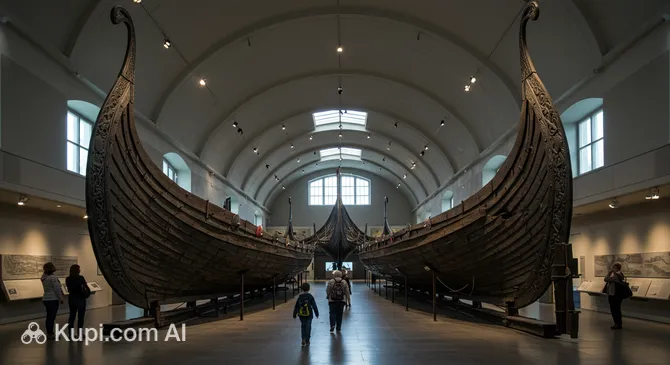
Viking Ship Museum. Illustration.
Source: Kupi.com AI

Traveler photos:

The heart of the exhibition consists of three majestic drakkars: the Gokstad ship, the Oseberg ship, and the Tune ship. All were built in the 9th century and impress not only with their size but also with the elegance of their lines, testifying to the superb skill of ancient shipbuilders. These ships are not just modes of transport, but true works of art and significant evidence of the rich maritime culture of the Vikings.

In addition to the ships themselves, the museum displays a rich collection of items that accompanied the Vikings on their final journey. Visitors can see intricately crafted sleds and carts, a variety of household utensils, fabric fragments, and even the remains of tents. Each of these exhibits tells its own story, completing the picture of the daily life, beliefs, and crafts of the legendary Scandinavian warriors and travelers.

Contacts

The Viking Ship Museum is located at: Huk Aveny 35, Bygdøy, Oslo, Norway. To obtain the most up-to-date information regarding opening hours, ticket prices, and special events, it is recommended to visit the museum's official website. Available contact details are listed below:

How to contactContact
AddressHuk Aveny 35, 0287 Oslo, Norway
Phone number+47 22 13 52 80
Websitewww.vikingtidsmuseet.no

What to Do

At the Viking Ship Museum, visitors can expect an encounter with true sea giants of the past. The main exhibits are three authentic Viking ships, each housed in its own spacious hall. To allow guests to fully appreciate the scale and detail of these ancient vessels, the museum is equipped with special balconies. These offer excellent views of the drakkars from various angles, including an impressive panorama from above, allowing you to examine the deck construction and the overall shape of the ships.

Beyond the majestic ships themselves, the museum's exhibition is rich with unique artifacts discovered during archaeological excavations. Guests can closely examine intricately carved wood products, ancient sleds, beds, buckets, and a variety of jewelry. These everyday items, ritual objects, and personal belongings provide a vivid insight into the daily life, beliefs, and high level of craftsmanship of the Vikings, complementing the story of their sea voyages.

For a deeper immersion into history, visitors can use audio guides, which offer detailed information about the exhibits in several languages. The museum also regularly hosts themed tours and educational programs that are interesting for both adults and young explorers. On the museum grounds, there is a monument to the researchers Helge Ingstad and his wife, whose discoveries confirmed the presence of Vikings in North America long before Columbus. To conclude your visit, you can stop by the museum shop, which offers a wide selection of souvenirs and books dedicated to the Viking Age.

Getting There

The Viking Ship Museum is situated on the picturesque Bygdøy peninsula, approximately 5 kilometers from the center of Oslo. This unique destination can be reached in several convenient ways. One of the most popular options is public transport. You can take a bus, such as route No. 30 (or others serving the Bygdøy stop). During the summer season, a ferry is also available, departing from the Rådhusbrygge 3 pier; it will take you directly to the museum island, offering a pleasant sea voyage along the way.

If you prefer a more private mode of travel, the museum is easily accessible by taxi or private car. A taxi ride from central Oslo takes approximately 15 minutes, depending on traffic conditions. The address for navigation is Huk Aveny 35. It is worth noting that walking from the city center to the museum is not recommended due to the significant distance and the specific road infrastructure on the peninsula.

Public transport in Oslo heading to the Bygdøy peninsula runs quite regularly, especially during the peak tourist season in summer when the museum is most popular. We recommend checking bus or ferry schedules in advance to plan your visit optimally and enjoy your immersion into the Viking Age without any rush.

Nearest city: Oslo

History & Facts

The history of the Viking Ship Museum dates back to the early 20th century, and it was opened to the general public in 1926. The foundation of its unique and world-renowned collection was formed by finds made during major archaeological excavations in Norway. These priceless artifacts were discovered in ancient burial mounds in locations such as Tune, Gokstad (near Sandefjord), Oseberg (near Tønsberg), and at the historic Borre cemetery. Each discovery contributes to our understanding of the rich culture and daily life of the Vikings.

All three majestic ships that serve as the museum's central exhibits were built of solid oak around the 9th century AD. Initially, they served not just as a means of transport, but as burial vessels for the nobility. This fact highlights not only the exceptional level of shipbuilding skill possessed by the ancient Scandinavians but also the deep symbolic meaning they attributed to maritime vessels in their funeral rites, believing that the ship would carry the deceased to the afterlife.

The most famous exhibit in the museum is rightfully considered the Gokstad ship. This drakkar, built around 800 AD, is striking for its preservation—it has reached us almost entirely intact and is the largest of all known Viking burial ships. Equally fascinating is the Oseberg ship, famous for its exquisite carved decorations and the many artifacts found on board during its excavation. These ships, along with other items from the burials, are essential evidence of the maritime culture, art, and funeral traditions of the Scandinavian peoples of the Viking Age.

Time Needed

To fully enjoy the exhibition at the Viking Ship Museum in Oslo and carefully examine all its treasures, it is recommended to set aside approximately 1.5–2 hours. This time is generally sufficient to leisurely explore the majestic drakkars, study the accompanying artifacts, and use the interactive displays that help provide a deeper dive into history.

When planning your visit, keep in mind that the majority of your time will be spent viewing the three main ships—the Gokstad, Oseberg, and Tune ships—each presented in a separate wing of the museum. It is also worth paying attention to the rich collection of everyday items, jewelry, and ritual objects found with the ships. If you wish to use an audio guide or study the information plaques in detail, two hours will be quite enough for a relaxed and thoughtful introduction to the world of the Vikings.

Working Hours

The exact opening hours of the Viking Ship Museum in Oslo may vary depending on the season, so it is highly recommended to check the current information on the museum's official website before your visit. Generally, the museum is open to visitors daily, but please note that changes to the schedule are possible due to public holidays or restoration work.

Although pre-booking tickets for individual visitors is not usually a strict requirement, checking this on the official resource—especially if you plan to visit during peak season or as part of a group—is advisable. This will help you plan your trip optimally and avoid any potential inconvenience. Current information on opening hours, booking requirements, and possible temporary closures is always available on the official website of the Viking Ship Museum.

Nearby

A visit to the Viking Ship Museum is a highlight in itself, but the Bygdøy peninsula where it is located and its surroundings offer many other interesting sites. Exploring nearby attractions will allow you to dive deeper into the culture and history of Oslo and Norway, as well as diversify your itinerary.

Many of these sites are within walking distance or are easily reachable by public transport, making them excellent additions to your museum visit. You can create a rich itinerary by combining several cultural and natural points of interest in one day. Below is a list of some attractions located near the Viking Ship Museum:

NameDistance
Gol Stave Church0.3 km
Norwegian Museum of Cultural History0.3 km
Kon-Tiki Museum0.8 km
Fram Museum0.9 km
Paradisbukta Beach1.1 km
Huk Beach1.2 km
Astrup Fearnley Museum of Modern Art2.1 km

Have you reached the end of the page?

So the route has been studied inside and out