Support

Nobel Peace Center

About

The Nobel Peace Center (Nobels Fredssenter) is an iconic landmark in Oslo, the capital of Norway, dedicated to the most prestigious award for contributions to peace — the Nobel Peace Prize. It is not just a museum, but a true center for education and dialogue, where every visitor can gain a deeper understanding of the prize's history, get to know the laureates, and reflect on the most important contemporary issues related to peace and conflict resolution.
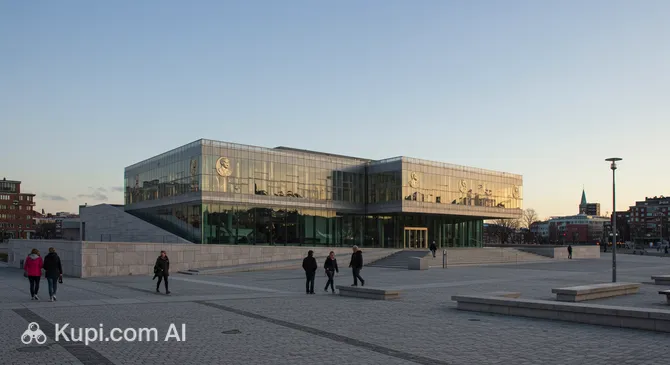
Nobel Peace Center. Illustration.
Source: Kupi.com AI

Traveler photos:

Located in the historic building of the former Western Railway Station (Oslo Vestbanestasjon), built in 1872 according to the design of architect Georg Andreas Bull, the center seamlessly combines traditional museum exhibits with interactive installations. It hosts exhibitions, lectures, debates, and educational programs, making it an important venue for exchanging views and seeking paths toward a more peaceful future.

Symbolically, the Nobel Peace Center is located at Brynjulf Bulls plass, in the immediate vicinity of Oslo City Hall, where every year on December 10, the anniversary of Alfred Nobel's death, the Nobel Peace Prize ceremony takes place. This proximity emphasizes its central role in the prize's legacy. The center is one of Norway's most visited museums, attracting around 250,000 visitors annually, all eager to experience the history of peace-making.

Contacts

For the most up-to-date information on opening hours, ticket prices, special events, and how to contact the Nobel Peace Center, we recommend visiting the center's official website. You can also find useful information at tourist information centers in Oslo or on official tourism portals for Norway.

How to contactContact
AddressBrynjulf Bulls plass 1, 0250 Oslo, Norway
Phone number+47 48 30 10 00
Websitewww.nobelpeacecenter.org

What to Do

At the Nobel Peace Center, visitors are immersed in the history of the world's most prestigious peace prize. Here you can learn in detail about Alfred Nobel, the founder of the prize, and, of course, those who have been honored with this high distinction. The portrait gallery of laureates is particularly striking – featuring iconic figures like Woodrow Wilson, George Marshall, and Barack Obama, to outstanding organizations such as the International Committee of the Red Cross, UNICEF, and Doctors Without Borders. The exhibits tell the story of their contributions to building a more just and secure world.

The center offers guests more than just passive viewing, but active interaction with the exhibits. In addition to permanent exhibitions, it regularly hosts temporary shows and displays impressive installations, many of which, like the center's design by British architect David Adjaye, are created using modern technology. For example, high-tech installations were created by American designer David Small. Visitors can participate in various seminars, open meetings, and even art workshops, making a visit to the center truly educational and engaging. It is a wonderful opportunity to not only learn something new but also to reflect on current global issues.

Getting There

The Nobel Peace Center is conveniently located in the heart of Oslo, at Brynjulf Bulls plass. It occupies the historic building of the former Western Railway Station, overlooking the city harbor. Thanks to this central location, it is very easy to reach.

You can reach the Nobel Peace Center using various types of public transport in Oslo, such as buses, trams, or the metro. Since the center is in close proximity to the City Hall and other key attractions, a pleasant alternative is to walk. Of course, taxis are always available to get you to your destination quickly and comfortably from any part of the city or the nearest transport hub.

Nearest city: Oslo

History & Facts

The Nobel Peace Center has a relatively short but highly significant history. Its grand opening took place in 2005, graced by the presence of His Majesty King Harald V of Norway and the entire royal family. The participation of Nobel Peace Prize laureate Wangari Maathai added particular importance to the event, highlighting the center's deep connection to the prize's legacy from the very beginning. Since its founding, the center has quickly established itself as an important cultural and educational institution in Oslo.

The building housing the Nobel Peace Center itself has a rich history. It is the former Oslo Western Railway Station (Oslo Vestbanestasjon). While it was built in 1872 according to the design of architect Georg Andreas Bull, it is worth noting that the station operated for its original purpose until 1989. After that, a significant repurposing process began, transforming the busy transport hub into a space dedicated to the ideals of peace and humanism. This transformation became deeply symbolic, reflecting the center's mission.

The sustainable operations of the Nobel Peace Center are ensured through multi-faceted support. Funding comes from the Ministry of Culture of Norway, underscoring the national importance of the center's mission. In addition, private sponsors make significant contributions, along with revenue from ticket sales. This funding model allows the center to not only maintain its current work but also develop new educational programs and exhibitions dedicated to the legacy of the Nobel Peace Prize and current peace-building issues. This makes it a living platform for dialogue and enlightenment, rather than just a repository of history.

Time Needed

When planning a visit to the Nobel Peace Center, you should aim for 2-3 hours to fully explore its exhibitions. This time is usually enough to see the permanent displays dedicated to Alfred Nobel, the history of the prize, and its laureates, as well as to check out the current temporary installations, which are often interactive.

Of course, the duration of your visit may vary depending on your interest in the topic and depth of immersion. If you want to study every detail, listen to audio guides, or participate in any events such as lectures or discussions (if they coincide with your visit), your stay may be longer. For those with limited time, a shorter overview of the main exhibits is possible, which will take about 1-1.5 hours.

Keep in mind that the center also has a souvenir shop and a cafe where you can spend some time. Overall, the Nobel Peace Center offers enough content to interest a visitor for several hours, allowing you not only to learn facts but also to reflect on important humanitarian issues.

Working Hours

The Nobel Peace Center is generally open to visitors year-round; however, its specific opening hours may vary depending on the season, the day of the week, or due to special events. To ensure your visit goes smoothly, we strongly recommend checking the current schedule on the official Nobel Peace Center website before you go. Information about potential changes to the schedule is also typically published there.

On the official resource, you can also clarify whether advance ticket booking is required, especially if you are planning a trip during popular tourist seasons or on public holidays. Checking this information in advance will help avoid inconveniences and make your visit to this iconic Oslo center as comfortable and educational as possible.

DayOpening hours
MondayClosed
Tuesday11:00 – 17:00
Wednesday11:00 – 20:00
Thursday11:00 – 17:00
Friday11:00 – 17:00
Saturday11:00 – 17:00
Sunday11:00 – 17:00

Nearby

A visit to the Nobel Peace Center will undoubtedly be one of the highlights of your trip to Oslo. However, to make your experience even more complete and multifaceted, it's worth taking some time to explore the surroundings. Often, it's the nearby attractions, cozy corners, or interesting establishments that help you feel the atmosphere of the city more deeply and form a more complete impression of it.

Fortunately, the Nobel Peace Center is located in the heart of Oslo, making it an excellent starting point for further discoveries. Within walking distance of the center are many other iconic sites that can complement your cultural program or offer a pleasant rest after a busy visit. Here are some of them:

NameDistance
National Museum0.1 km
Hotel Continental0.3 km
Kiosken Bar0.3 km
The Royal Palace0.6 km
The Salmon0.6 km
Astrup Fearnley Museum of Modern Art0.7 km
Fuglen0.8 km

Have you reached the end of the page?

So the route has been studied inside and out