Support

Norwegian Museum of Cultural History

About

The Norsk Folkemuseum (Norwegian Museum of Cultural History) is a unique open-air museum located on the scenic Bygdøy peninsula in Oslo, the capital of Norway. Founded in 1894, it invites visitors on a fascinating journey through the history of traditional Norwegian culture, showcasing the country's way of life and traditions over the centuries.
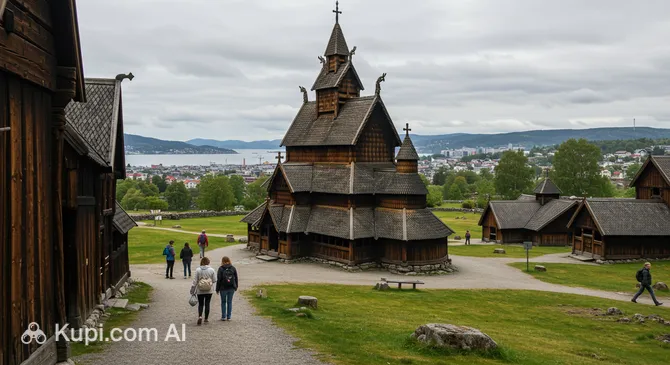
Norwegian Museum of Cultural History. Illustration.
Source: Kupi.com AI

Traveler photos:

A special feature of the museum is its extensive open-air exhibition, which brings together more than 150 authentic historical buildings. These structures were carefully moved from various towns and rural regions of Norway, allowing guests to literally walk through different eras and parts of the country. In addition, the museum features indoor exhibition spaces with rich collections of artifacts.

One of the main jewels of the open-air collection is the famous Gol Stave Church (Gol stavkirke). This magnificent wooden church, dating back to the 13th century, is an outstanding example of traditional Norwegian architecture and is a must-see.

It's no surprise that the Norsk Folkemuseum is often called "Norway in miniature." Its exhibits aim to cover the full breadth of Norwegian cultural history, presenting both rural and urban traditions. Here you can learn about the lives of various layers of Norwegian society—from simple farmers to prominent figures, from pharmacists to poets—making a visit here both educational and memorable.

Contacts

If you are planning to visit the Norsk Folkemuseum (Norwegian Museum of Cultural History) and want to clarify details such as opening hours, ticket prices, or special events, you can contact the museum directly. It is also recommended to check the official website for the most up-to-date information.

How to contactContact
AddressMuseumsveien 10, 0287 Oslo, Norway
Phone number+47 22 12 37 00
Websitenorskfolkemuseum.no

What to Do

A visit to the Norsk Folkemuseum in Oslo is a unique opportunity to immerse yourself in the authentic atmosphere of Norwegian life across different historical periods. The museum's main feature is its vast open-air site, where you can walk among more than 150 historical buildings carefully brought here from various parts of Norway. It's a true journey through time, allowing you to see firsthand how the country's lifestyle and architecture have changed over the centuries. Of particular interest is a detailed tour of the "Old Town"—an impressive reconstruction of an urban environment from past centuries, created from authentic historical buildings.

One of the gems of the collection and a must-visit is the Gol Stave Church. This unique wooden church, dating from the 13th century, was moved to the museum to preserve this outstanding monument of medieval architecture. Its intricate carvings and distinctive architecture leave a lasting impression. Visiting the stave church allows you to touch the ancient traditions and craftsmanship of Norwegian builders.

In addition to the open-air architectural exhibits, the Norsk Folkemuseum offers visitors the chance to explore extensive indoor collections. Thousands of everyday items, national costumes, tools, and other artifacts from all regions of Norway are gathered here. These exhibitions tell the detailed story of the daily life of Norwegians from different eras and social classes—from simple farmers to the urban intelligentsia and the political elite. The museum also regularly hosts various themed exhibitions dedicated to both rural and urban culture, providing a comprehensive and multifaceted view of the country's rich history and traditions.

Getting There

The Norsk Folkemuseum is conveniently located on the scenic Bygdøy peninsula in Oslo, at Museumsveien 10. This area is a popular tourist destination with several interesting museums, making it easy to reach regardless of your chosen mode of transport.

One of the most convenient and popular ways to get to the Norsk Folkemuseum is by Oslo's public transport. A regular bus runs from the city center directly to the Bygdøy peninsula. During the summer, we especially recommend taking the ferry that departs from the city waterfront. This is not only a fast way to reach the museum but also a wonderful opportunity to enjoy views of the Oslo Fjord during a short boat trip.

For those who prefer more flexibility and comfort, taxi services are always available to take you to the museum from anywhere in Oslo. If you are traveling by private car, there is a parking lot near the Norsk Folkemuseum where you can leave your vehicle during your visit.

Nearest city: Oslo

History & Facts

The history of the Norsk Folkemuseum (Norwegian Museum of Cultural History) dates back to 1894. Its founder and first director was the prominent librarian and historian Hans Jacob Aall. He was inspired by the innovative idea of Artur Hazelius, the creator of the famous Skansen open-air museum in Stockholm. Notably, Hans Jacob Aall dedicated more than half a century of his life to the museum, remaining its director until his death in 1946.

Since its founding, the Norsk Folkemuseum has become one of the first open-air museums of its kind in the world, which was a bold and innovative project for the late 19th century. Initially, the main goal was to preserve and showcase the traditional rural culture of Norway. However, the ambitious Hans Jacob Aall aimed for more—he wanted to create a comprehensive picture of Norwegian heritage, including not only rural life but also the country's urban culture.

In the 20th century, the museum actively developed and expanded its collections. A significant milestone was the construction of a new museum building in 1914, known as Bysamlingen, designed to house permanent exhibitions. It was during this period that a unique part of the museum—the "Old Town" (Gamlebyen)—began to take shape. To create it, authentic urban houses were carefully transported to Oslo from all over Norway, allowing the atmosphere of past centuries to be recreated. Today, the Norsk Folkemuseum occupies a vast territory and continues its mission to preserve and promote Norway's rich cultural heritage.

Time Needed

When planning a visit to the Norsk Folkemuseum in Oslo, you should expect a fairly long and fascinating immersion into the history and life of Norway. To fully see the main exhibitions and get a general overview of the museum, it is recommended to set aside at least 3-4 hours. This time is usually sufficient to see the key highlights.

This duration is due to the museum's scale. The Norsk Folkemuseum covers a vast open-air territory with more than 150 historical buildings brought from different parts of the country. In addition, there are indoor exhibitions that also deserve attention. To take a leisurely stroll through the grounds, peek into the most interesting buildings, and explore the exhibits, you will need this amount of time.

If you want to study each exhibit in more detail, delve into the history of individual buildings, or take part in the themed events periodically held at the museum, you can easily dedicate a full day to your visit to the Norsk Folkemuseum. This will allow you to fully enjoy the atmosphere and all the opportunities this unique cultural site offers.

Working Hours

The Norsk Folkemuseum is usually open to visitors year-round, but opening hours can vary significantly depending on the season. For example, during the summer months, the museum typically stays open longer than in the winter. To plan your visit effectively and find the exact schedule for your chosen dates, it is highly recommended to visit the museum's official website or check the information just before your trip, as specific hours may change.

Regarding ticket purchases, for a popular place like the Norsk Folkemuseum, especially during peak tourist season or if you plan to visit special exhibitions, it may be advisable to book tickets in advance online. This will help you avoid potential queues and guarantee your entry. It's best to check the museum's official website for information on advance booking options and current terms.

10:00 – 17:00

Nearby

Visiting the Norsk Folkemuseum is undoubtedly a highlight, but Oslo and its surroundings have even more to offer. Exploring nearby attractions can significantly enrich your experience and provide a more complete picture of this amazing corner of Norway.

There are several other interesting sites nearby, each unique in its own way. This is a great opportunity to expand your cultural itinerary without spending much time traveling, making your trip even more fulfilling and memorable. Below is a list of some of them, along with their approximate distance:

NameDistance
Gol Stave Church0.2 km
Viking Ship Museum0.3 km
Kon-Tiki Museum0.8 km
Fram Museum0.9 km
Paradisbukta Beach1.3 km
Huk Beach1.5 km
Astrup Fearnley Museum of Modern Art1.9 km

Have you reached the end of the page?

So the route has been studied inside and out