Support

Natural History Museum

About

The Natural History Museum in Oslo (Natural History Museum, NHM) is more than just a museum; it is the largest and most significant center for natural history research in all of Norway. It is part of the University of Oslo and is nestled in the Tøyen district, within the grounds of the country's oldest Botanical Garden, making a visit both particularly pleasant and educational.
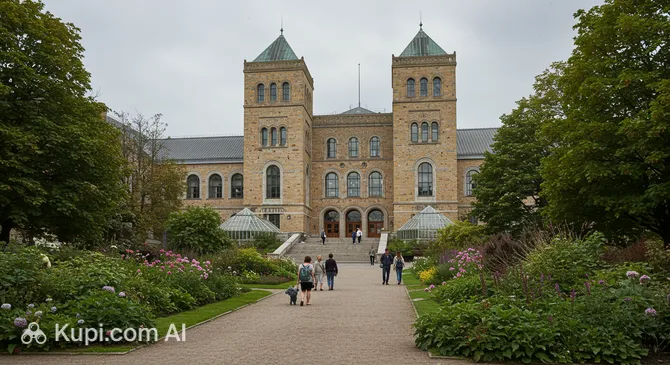
Natural History Museum. Illustration.
Source: Kupi.com AI

Traveler photos:

This unique museum complex brings together several major exhibitions under one roof, dedicated to botany, zoology, geology, and paleontology. Visitors can immerse themselves in the world of ancient fossils, explore the diversity of animal and plant life, and admire the mineral collection. An essential part of the museum is the extensive Botanical Garden, a living collection of plants from around the world and an ideal place for a leisurely walk.

The exhibits at the Natural History Museum cover not only the nature of Norway but the entire planet. It features rare specimens of flora and fauna, unique geological finds, and fossils of immense scientific importance. A visit to the museum is an exciting adventure for the whole family, allowing everyone to learn something new about the world around us and be inspired by its beauty and diversity.

Contacts

For the most up-to-date information on opening hours, exhibitions, and events at the Natural History Museum in Oslo, it is recommended to visit its official website. There, you can also find details to help plan your visit.

How to contactContact
AddressSars' gate 1, 0562 Oslo, Norway
Phone number+47 22 85 16 30
Websitewww.nhm.uio.no

What to Do

Visitors to the Natural History Museum can start their journey into the natural world with a walk through the magnificent Botanical Garden. Here, you can see an impressive collection of plants gathered from all over the world, as well as admire rare and endangered species native to Scandinavia. Inside the museum buildings, fascinating themed exhibitions await you. For instance, the zoological section features detailed dioramas showcasing animals from diverse climate zones: from dense forests and scorching deserts to high mountains and mysterious ocean depths.

One of the museum's crown jewels is the famous fossil Darwinius masillae, affectionately nicknamed "Ida." This perfectly preserved skeleton of an ancient primate, estimated to be about 47 million years old, is considered one of the most important scientific discoveries in paleontology and is the subject of international research. In addition to permanent exhibitions, the museum regularly organizes temporary displays, hosts popular science lectures, and interactive events that are engaging and educational for both adults and young nature explorers.

Getting There

The Natural History Museum is conveniently located in the central part of Oslo, in the picturesque Tøyen district, making it easily accessible for visitors. Thanks to a well-developed public transport system, reaching the museum from any part of the city is straightforward.

One of the most convenient ways to reach the Natural History Museum is by metro. You should take the metro to the Tøyen station, which is just a few minutes' walk from the main entrance of the Botanical Garden, where the museum is located. This is not only a fast but also a comfortable option that allows you to avoid city traffic.

In addition to the metro, the museum can be reached by numerous buses and trams with stops in the immediate vicinity. It is recommended to check the route numbers to the Tøyen district in advance on Oslo's official public transport website or via navigation apps. This option also allows you to enjoy city views on your way to the museum.

If you prefer to travel by car, there are parking spaces near the museum. However, please note that finding a free spot during peak hours can be difficult, so it is better to opt for public transport if possible. This will save you time and the hassle of parking, allowing you to focus entirely on your upcoming visit to the museum.

Nearest city: Oslo

History & Facts

The historical roots of the Natural History Museum in Oslo date back to the early 19th century. It all began with the founding of the Botanical Garden in 1812 (or 1814, according to some records) on the scenic lands near the Tøyen Manor. Initially, this garden and its first collections of plants and insects were intended for the educational needs of University of Oslo students, laying the foundation for what would become a major scientific center.

Over time, the modest botanical collection began to expand rapidly. It was joined by the zoological and geological museums, which was a significant step toward creating a full-scale museum complex dedicated to natural history. This merger allowed the museum to present visitors with a broader and more multifaceted picture of the natural world, from the smallest insects to ancient minerals.

For over two centuries, the Natural History Museum has done more than just preserve and grow its collections. It has actively participated in scientific research, made significant contributions to educational programs, and worked tirelessly to popularize knowledge of nature among a wide audience. Today, it is not just a repository of exhibits but a living organism continuing its vital mission of education and inspiration.

Time Needed

When planning a visit to the Natural History Museum in Oslo, you should allow for 2–4 hours to fully experience its rich collections and the surrounding grounds. This time will allow you to leisurely explore the main indoor exhibitions dedicated to zoology, geology, and paleontology, as well as enjoy a walk through the magnificent Botanical Garden, which is an integral part of the museum complex.

Of course, the exact time you spend at the museum will depend on your interests. If you are particularly passionate about a specific field, such as fossils or plant diversity, you may want to stay in those halls longer. For those who want a general overview, two hours may be enough. However, to truly immerse yourself in the museum's atmosphere, study the interactive displays, and perhaps visit temporary exhibitions, it is better to set aside more time.

Keep in mind that the Natural History Museum offers a wealth of information and experiences, so there is no need to rush. Allow yourself to enjoy each hall and the beauty of the Botanical Garden so that your visit leaves the most pleasant and informative memories.

Working Hours

The Natural History Museum, including its Botanical Garden, generally welcomes visitors daily from 10:00 AM to 5:00 PM. It is important to remember that opening hours may vary depending on the season. To ensure your visit to the world of nature is as comfortable as possible, we highly recommend checking the museum's official website before planning your trip. There, you can find the most up-to-date schedule and information regarding the possible need for advance ticket bookings. The museum is typically open year-round, but it is always useful to check official sources for seasonal schedule confirmations.

10:00 – 17:00

Nearby

Visiting the Natural History Museum in Oslo is an exciting adventure in itself. However, to make your trip even more fulfilling and full of impressions, it is worth exploring the interesting sites located nearby. Exploring the surrounding area will allow you to dive deeper into the city's atmosphere and discover its other facets, complementing your museum visit.

Oslo is a city rich in culture and numerous attractions, many of which are within walking distance or a short ride from the Natural History Museum. A stroll through the neighboring blocks can lead you to discoveries that will be a pleasant addition to your main itinerary and help you get to know the capital of Norway better.

NameDistance
Ingensteds1 km
HIMKOK Storgata Distillery1.3 km
Mamma Pizza1.7 km
Fuglen1.8 km
The Munch Museum1.8 km
Hotel Continental2.2 km
Kiosken Bar2.2 km

Have you reached the end of the page?

So the route has been studied inside and out