Support

Túpac Amaru Square

About

Túpac Amaru Square is more than just an open space in the heart of the historic city of Cusco; it is a powerful symbol of struggle and national pride for Peru. Unlike the more famous and bustling Plaza de Armas, this square preserves the memory of key and dramatic events in the country's history, offering travelers a deeper immersion into local culture.
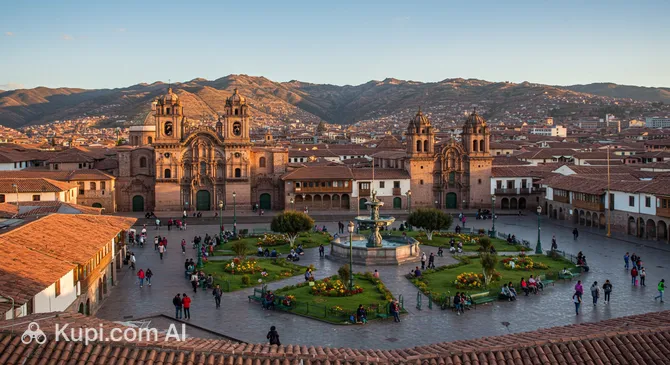
Túpac Amaru Square. Illustration.
Source: Kupi.com AI

Traveler photos:

The square is named after Túpac Amaru II (José Gabriel Condorcanqui), the leader of the largest indigenous uprising against Spanish colonial rule in the 18th century. This site became a silent witness to his struggle and tragic fate, transforming into a memorial dedicated to an unyielding spirit and the quest for freedom. The monument in the center of the square serves as a constant reminder of his legacy.

Today, it is an important public space where local fairs, cultural events, and festivals reflecting modern city life are often held. Visiting Túpac Amaru Square allows you to step outside the standard tourist routes and touch the history that shaped the character of modern Peru. It is an ideal place for those who want to not only see but also feel the spirit of Cusco.

Contacts

Túpac Amaru Square is an open public space in Cusco, accessible to visitors at any time of day. As it is a city square, it does not have a single contact center or phone number. You can find it in one of the city's districts, and the easiest way to reach it is on foot during a stroll or by local taxi.

How to contactContact
AddressF2GM+VCJ, Cusco 08002, Peru
Phone number+51 84 202096

What to Do

Túpac Amaru Square in Cusco is not just an open urban space, but a significant historical memorial steeped in the spirit of the struggle for independence. The main activity for visitors here is learning about history through the monuments dedicated to Túpac Amaru II. You can take a leisurely stroll across the square, examining the monuments and memorial plaques that tell the story of his life and rebellion against Spanish colonizers. This site offers a unique opportunity to immerse yourself in the history of the indigenous peoples of Peru and their quest to preserve their culture.

The square is a wonderful place to take memorable photos. The central monument depicting the leader of the uprising serves as a powerful symbol of resilience and freedom. Here, you can feel the atmosphere of the historical events that unfolded in this region. The uprising led by Túpac Amaru was the largest indigenous action in the entire three-hundred-year colonial history of not only Peru but all of Spanish America, and the square immortalizes this important chapter of the past.

Additionally, Túpac Amaru Square serves as a convenient starting point for further exploration of Cusco's historical corners. Nearby, you can find museums that provide detailed insights into Inca culture and the colonial period. A visit to the square is easy to combine with exploring other attractions, allowing for a more complete picture of this amazing city's rich and multifaceted past.

Getting There

Túpac Amaru Square is located in the city of Cusco, which is one of the main tourist hubs of Peru. Most travelers arrive in the city by air via Alejandro Velasco Astete International Airport. The airport handles regular flights, primarily from the capital Lima as well as from other major cities, making Cusco easily accessible for tourists from all over the world.

There are several ways to get from the airport to the city center and, consequently, to Túpac Amaru Square. The simplest and fastest option is a taxi, which will take you directly to your destination for a reasonable fee. For more budget-conscious travelers, public transport is available, such as local buses that run between the airport and various city districts.

If you are already in the historical center of Cusco, reaching the square is quite easy. Since the city center is fairly compact, Túpac Amaru Square is easily reachable on foot, allowing you to enjoy the colorful streets and architecture along the way. A walk from most hotels and other key attractions will take very little time. Alternatively, you can always use the ubiquitous taxis or local buses.

Nearest city: Cusco

History & Facts

Túpac Amaru Square in Cusco is more than just an urban space; it is a site of deep historical significance dedicated to one of Peru's most iconic heroes. It bears the name of Túpac Amaru II, whose real name was José Gabriel Condorcanqui. This figure went down in history as the leader of a powerful popular uprising that broke out in November 1780 in the province of Tinta, near Cusco. His struggle became a vivid symbol of resistance against colonial oppression.

The rebellion led by Túpac Amaru II was not a local riot, but the largest uprising of Indigenous and Mestizo masses in the entire colonial period of Spanish American history. It spanned vast territories and demonstrated the indigenous population's unyielding desire for freedom and justice. Although the epicenter of the rebellion was about 120 km south of the city, its echoes resounded loudly throughout the Andes, making Cusco a witness to these dramatic events.

The historical significance of this movement is immense. Although Túpac Amaru II himself was brutally executed, his cause did not die. The uprising continued for two years after his death and spread to other South American colonies. Many historians believe this event paved the way for the independence of South American countries, the war for which began just forty years later. Thus, Túpac Amaru II became an eternal symbol of the revolutionary struggle for freedom in Latin America.

Dedicating the square to this hero is particularly symbolic for Cusco, a city with a rich history that was once the capital of the powerful Inca Empire. According to legends, it was here that the empire's founders, Manco Cápac and Mama Ocllo, ended their quest and founded the capital. Thus, Túpac Amaru Square links two great eras in the history of Peru: the grandeur of the ancient civilization and the indomitable spirit of the struggle for independence.

Time Needed

It is usually recommended to set aside about 1-2 hours to see Túpac Amaru Square in Cusco. This is plenty of time to leisurely stroll through the area, carefully examine the central monument dedicated to the indigenous leader, take commemorative photos, and soak in the historical atmosphere of this landmark location.

The square is not only a tourist attraction but also an important public space for local residents. If your interest goes beyond a simple visit and includes a desire to delve deeper into the history of the uprising led by Túpac Amaru II, you should plan for extra time. You might want to visit nearby themed exhibitions or simply sit in one of the cafes, observing the city's life.

Thus, an hour is enough for a brief introduction, but for a more meaningful visit, it is better to aim for two hours. If you decide to combine your visit to the square with exploring related historical sites, it could take half a day.

Working Hours

Túpac Amaru Square in Cusco is a public space, so it does not have strict working hours like a museum or gallery. Access to the square is open to visitors 24/7 throughout the year. This allows you to enjoy its atmosphere and view the monuments at any convenient time, whether early in the morning or late in the evening.

No tickets or prior registration are required to visit the square; entry is completely free. However, it is worth noting that various events, fairs, or festivals may be held in the square, which might have their own schedules. To get the most up-to-date information on possible events, it is recommended to contact local tourist information centers or check the event calendar for the city of Cusco.

Open 24 hours

Nearby

Visiting Túpac Amaru Square is a wonderful way to begin your exploration of Cusco, but to truly feel the spirit of this ancient city, it is worth exploring its surroundings as well. The former capital of the Inca Empire is full of hidden treasures, and many of them are just a few steps away from popular tourist routes.

A walk through the nearby streets will allow you to dive deeper into the history and culture of Peru. You can discover not only iconic monuments but also authentic spots that convey the city's unique atmosphere. Below is a list of interesting sites located nearby.

NameDistance
Chull's Peruvian Cuisine & Craft Beer1 km
Qorikancha1 km
Qosqo Center of Native Art1 km
Xapiri Ground1.2 km
San Blas Square1.2 km
Twelve Angled Stone1.3 km
Molly's Irish Bar and Restaurant1.3 km

Have you reached the end of the page?

So the route has been studied inside and out