In the heart of the historic center of Cusco, the former capital of the great Inca Empire, lies one of Peru's most amazing archaeological artifacts — the Twelve-Angled Stone. This, at first glance, simple element of an ancient wall is a true wonder of engineering and a must-see on the itinerary of any traveler fascinated by the mysteries of ancient civilizations.
Traveler photos:
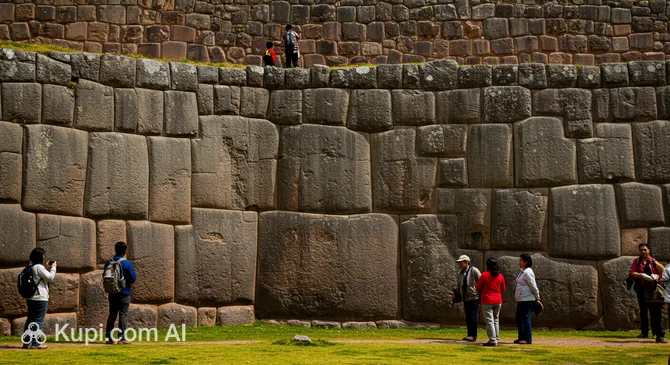
The stone is a massive block of diorite that is part of the Hatun Rumiyoc wall, which today serves as the foundation for the Archbishop's Palace. The uniqueness of this stone lies in its twelve perfectly carved angles, which allow it to fit seamlessly with the surrounding blocks without the use of any mortar. The precision of the fit is so high that it is impossible to insert even a knife blade between the stones.
This artifact is a prime example of polygonal masonry, in which the Incas achieved unsurpassed mastery. It clearly demonstrates the highest level of development of their construction technologies and their ability to work with stone. It is no wonder that the Twelve-Angled Stone is recognized as a National Cultural Heritage site and has become one of the most recognizable symbols of Cusco, drawing crowds of tourists daily who want to see this testament to the genius of ancient masters with their own eyes.