Support

Central Museum of Textiles

About

The Central Museum of Textiles in Lodz is not just a museum, but a true treasure trove of textile industry history—the largest in Poland and one of the most significant in Europe. Located within the walls of a former textile factory, it immerses visitors in the authentic atmosphere of the city's industrial past. The museum masterfully combines the rich industrial heritage of Lodz, which was the heart of the country's textile production for many years, with modern approaches to displaying historical and artistic collections.
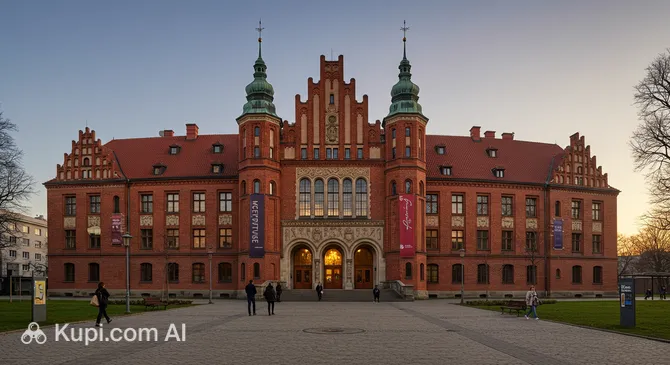
Central Museum of Textiles. Illustration.
Source: Kupi.com AI

Traveler photos:

The museum's exhibitions are striking in their diversity. Here you will see unique samples of fabrics, traditional homespun textiles, elegant costumes from the 19th and 20th centuries, and you can also watch industrial machines in operation, including an impressive steam engine. This is a unique opportunity to see firsthand the entire technological process of textile creation, from raw material to the finished product.

A visit to the Central Museum of Textiles is a fascinating journey through time, where the past and present of the textile industry meet, offering visitors an interactive and educational experience. This place will be of interest to both specialists and anyone who wants to better understand the history of industry and art related to fabrics.

Contacts

Planning a visit to the Central Museum of Textiles? To get the most up-to-date information on opening hours, ticket prices, and current exhibitions, we recommend visiting the museum's official website. Key contact details to help you find your way are listed below:

How to contactContact
AddressPiotrkowska 282, 93-034 Łódź, Poland
Phone number+48 572 087 469
Websitecmwl.pl

What to Do

At the Central Museum of Textiles, visitors can immerse themselves in the world of fabrics, exploring vast collections that include various materials, clothing, accessories, and everyday items that vividly demonstrate the evolution of fashion and textile design through the centuries. Theme exhibitions revealing textile production secrets and iconic technologies used in the industry are of particular interest. A real highlight of the program for many is the opportunity to see industrial looms in action, which allows for a deeper understanding of the production process and an appreciation of its scale.

In addition to viewing the permanent exhibitions, the museum offers a rich program of events. It regularly hosts vibrant fashion shows and temporary exhibitions featuring the work of modern designers. For those who want not only to watch but also to create, interactive workshops on textile art and fabric making are organized. Educational programs for children and adults provide a unique chance to try yourself as a weaver or designer, touch the history of textiles through your own creative experience, and learn many new things not only about history but also about the process of creating textile products.

Getting There

The Central Museum of Textiles is conveniently located in Lodz at 282 Piotrkowska Street. This street is one of the city's main and most famous landmarks, making the museum easily accessible for both tourists and locals. Thanks to this central location, getting to the museum is quite simple, and you can easily include it in your city itinerary.

The most convenient way to reach the Central Museum of Textiles is by public transport. Numerous tram and bus routes pass right by the museum, with stops just a few minutes' walk away. If you are arriving in Lodz by train, you can easily take a tram or bus from the central Lodz Fabryczna (Łódź Fabryczna) railway station, following the signs toward Piotrkowska Street. The public transport trip from the station usually doesn't take much time.

For those who prefer walking and want to get a better feel for the city, you can walk from the center of Lodz to the museum. A stroll along the famous Piotrkowska Street takes about 20–30 minutes, allowing you to enjoy the city's unique architecture and atmosphere. Of course, you can always use a taxi service, which will quickly take you to the museum doors from anywhere in Lodz or from the nearest station if you're coming from another district.

Nearest city: Lodz

History & Facts

The history of the Central Museum of Textiles is inextricably linked with the name of Krystyna Kondratiuk. As the head of the Department of Artistic and Antique Fabrics at the Museum of Art in Lodz, she became the driving force behind creating a separate museum dedicated to the rich textile heritage. Thanks to her enthusiasm and persistence, the museum was officially founded in 1960, laying the foundation for preserving unique knowledge and artifacts.

A landmark event in the museum's life was its move in 1975. The historic building of Ludwik Geyer's former textile factory, known as the "White Factory" (Biała Fabryka), became the new home for the exhibitions. This move was more than just a change of address; it allowed for a significant expansion of exhibition space and, equally importantly, immersed visitors in the authentic atmosphere of the industrial past of Lodz, a city with deep textile traditions.

Lodz was rightfully considered the heart of the textile industry in Poland for many decades. Products created in its factories were famous for their high quality far beyond the country's borders. The Central Museum of Textiles carefully preserves the evidence of this glorious era, demonstrating how textile production shaped the city's appearance, its economy, and culture, and how it influenced the development of the entire region known as the textile "basin" of Poland.

Time Needed

When planning a visit to the Central Museum of Textiles in Lodz, you should allow approximately 2–3 hours. This time is usually sufficient for a thorough introduction to the main exhibitions and interactive programs that provide a deep dive into the history of Poland's textile industry.

Of course, the final time may vary depending on your interests. If you plan to study all the collections in detail, from antique fabrics to industrial machines, or visit special temporary exhibitions, the visit could take up to half a day. For those who prefer a faster pace and just want to get a general impression, 1.5–2 hours might be enough, though in this case, you will have to focus on the sections of the museum most significant to you.

Working Hours

The Central Museum of Textiles in Lodz is typically open to visitors from 10:00 to 17:00. Please note that Monday is a closing day. These hours may change, especially depending on the season or special events.

To ensure your visit goes smoothly, it is highly recommended to check the current schedule, information on temporary exhibitions, and whether you need to pre-book tickets or register for tours on the museum's official website. You can also check there if the museum is open year-round or if there are seasonal variations in its schedule.

DayOpening hours
MondayClosed
TuesdayClosed
Wednesday12:00 – 17:00
Thursday12:00 – 19:00
Friday12:00 – 19:00
Saturday12:00 – 19:00
Sunday12:00 – 17:00

Nearby

After an exciting dive into the history of the textile industry at the Central Museum of Textiles, don't rush to leave this area of Lodz. Exploring the surroundings can significantly enrich your experience and offer new discoveries, completing the picture of this multifaceted city. A stroll through the nearby streets will allow you to better feel the atmosphere of Lodz and perhaps find something unexpected and interesting.

In the immediate vicinity of the Central Museum of Textiles, you will find many interesting places to diversify your day. From green areas for relaxation to shopping spots and gastronomic discoveries—everyone will find something to their liking. Below is a list of some attractions and interesting sites located nearby.

NameDistance
Łódź City Culture Park0.1 km
Geyer Gardens0.2 km
Zatoka Sportu Restaurant0.8 km
Galeria Łódzka1.6 km
Unicorn Stable1.6 km
STREFA Billiards & Darts1.7 km
Ato Ramen1.7 km

Have you reached the end of the page?

So the route has been studied inside and out