Support

Geological Museum

About

The Geological Museum of the Polish Geological Institute (PIG), located in Warsaw, Poland, is a unique scientific institution that immerses visitors in the fascinating world of geology and paleontology. It is not just a museum but an important center for research and education where you can touch the mysteries of the Earth's depths and ancient life.
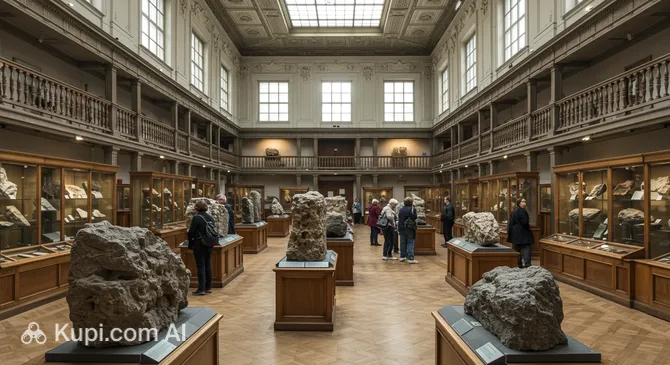
Geological Museum. Illustration.
Source: Kupi.com AI

Traveler photos:

The heart of the museum is the main hall, where an impressive exhibition dedicated to Poland's geological history unfolds. Here, you can trace how the country's territory was formed over millions of years, studying its geological structure from stratigraphic and regional perspectives. The rich collections of rocks and numerous mineral specimens are striking in their diversity and beauty, revealing the region's geological heritage to guests.

Despite its name, a significant part of the Geological Museum's exhibition is dedicated to paleontology. This makes it especially attractive not only to specialists but also to a wide audience, including families with children. Here you can see fossils of ancient organisms that once inhabited our planet. The exhibitions are designed to a high standard: modern display cases, informative labels with up-to-date data, and thoughtful lighting make getting to know the exhibits both exciting and educational.

A visit to the Geological Museum in Warsaw is a wonderful opportunity to expand your knowledge about the Earth, its past, and its present. It is a place where science comes to life, offering every visitor, from schoolchildren to scientists, food for thought and vivid impressions of contact with the ancient history of our planet.

Contacts

For the most up-to-date information on opening hours, ticket prices, and available tours at the Geological Museum, it is recommended to visit the museum's official website or contact local tourist information centers in Warsaw. There you can find accurate contact details and plan your visit in the best way possible.

How to contactContact
AddressRakowiecka 4, 00-975 Warszawa, Poland
Phone number+48 22 459 23 48
Websitewww.pgi.gov.pl

What to Do

Your introduction to the Geological Museum begins even before you enter the halls: impressive dinosaur sculptures greet you at the door, instantly immersing you in the atmosphere of the prehistoric past. Inside the museum, visitors can study extensive collections of rocks and minerals in detail, as well as impressive paleontological exhibits that tell stories of ancient life forms that once inhabited our planet.

The Geological Museum offers not only a view of the exhibitions but also active involvement in the world of science. For organized groups, exciting tours are held to help gain a deeper understanding of the presented materials. Young visitors and all those interested can take part in special museum lessons dedicated to various issues in geology and environmental sciences. Additionally, the museum's program often includes lectures, historical film presentations, and creative art workshops that broaden the horizons of knowledge.

To make your visit even more memorable, keep an eye out for special events. The Geological Museum regularly participates in popular events such as Earth Day, the Science Festival, and the Night of Museums. During these periods, the museum often offers an expanded program including interactive activities, temporary exhibitions, and meetings with experts, providing a unique opportunity for a deeper dive into the world of geological discoveries.

Getting There

The Geological Museum of the Polish Geological Institute is located in one of the central districts of Warsaw, making it very accessible for tourists. Thanks to its convenient location, getting to the museum is quite easy, regardless of which part of the city you are staying in.

One of the most convenient ways to reach the Geological Museum is by public transport. Warsaw has an extensive network of bus and tram routes, many of which pass through the city center. You should check the stops closest to the museum and choose a suitable route from your location. Information on routes and schedules can be found on Warsaw's official public transport website or in mobile apps.

If you are in central Warsaw and enjoy walking, you can reach the museum on foot. This is a great opportunity not only to visit the museum but also to get to know the architecture and atmosphere of the Polish capital. Use a map or navigation apps to find the best walking route.

Additionally, you can always use taxi services. This is especially convenient if you are traveling with children, have a lot of luggage, or prefer maximum comfort. Taxis can be called through popular mobile apps or found at designated taxi stands in the city. A ride from the city center usually doesn't take long, though it depends on traffic conditions.

Nearest city: Warsaw

History & Facts

The history of the Geological Museum in Warsaw is inextricably linked to the creation of the Polish Geological Institute in Poland. The idea of its foundation was born in the early 20th century in Galicia thanks to the efforts of Władysław Szajnocha and Józef Morozewicz. Many prominent scientists of the time joined in realizing this ambitious task, including Ludomir Sawicki, Czesław Kuźniar, Stanisław Małkowski, and Stanisław Kontkiewicz.

The Polish Geological Institute was officially established on May 7, 1919, and its charter was approved on February 28, 1921. Initially, the institute was located in the Staszic Palace. However, over time, the need for its own building arose, and between 1925 and 1930, a special structure was erected in the Mokotów district according to the design of the talented architect Marian Lalewicz. The final finishing of this magnificent building, designed in the 19th-century classicism style with elements of Renaissance architecture, was completed in 1936.

The difficult times of the German occupation led to the closure of the institute. However, its scientific activities resumed, and in 1952, it was officially re-established as the Geological Institute. In the post-war years, from 1949 to 1955, a new building was constructed next to the historic one, designed by Marek Leykam, which allowed for the expansion of exhibition and research capabilities. Today, the Geological Museum, which has existed in Warsaw for over 90 years, continues to play an important role as a significant scientific and educational center, introducing visitors to the geological wealth of Poland.

Time Needed

When planning a visit to the Geological Museum in Warsaw, it is worth setting aside approximately 2-3 hours to fully explore its exhibitions. This amount of time is generally sufficient to see the main halls dedicated to the geological history of Poland, study the collections of minerals and rocks, and pay attention to the impressive paleontological finds, including dinosaur skeletons.

Of course, the duration of your visit may vary depending on your level of interest in geology and paleontology. If you just want to get a general overview of the museum and its main exhibits, 1-1.5 hours might be enough. However, if you plan to carefully study individual display cases, read all the information boards, or if you are coming with children who will surely want to examine every dinosaur, then it's better to allow for more time. You should also consider possible participation in tours or educational programs, if any are available during your visit, which can increase the total time spent at the museum.

Working Hours

To find out the exact opening hours of the Geological Museum in Warsaw, as well as information on the need for advance ticket booking or tour registration, it is highly recommended to visit the museum's official website or consult up-to-date Warsaw travel guides. Usually, museums provide this information online, including possible changes in the schedule related to holidays or special events.

While many large museums are open to visitors year-round, it is always helpful to check seasonal operation and potential closing days. This is especially true when planning a visit during national holidays. Checking in advance will help you avoid surprises and plan your visit to the Geological Museum in the best possible way to fully enjoy its unique exhibits.

DayOpening hours
Monday9:00 – 17:30
Tuesday9:00 – 17:30
Wednesday9:00 – 17:30
Thursday9:00 – 17:30
Friday9:00 – 17:30
SaturdayClosed
Sunday10:00 – 15:00

Nearby

After an exciting dive into the world of geology and paleontology at the Geological Museum, your journey through Warsaw can continue with an exploration of no less interesting places nearby. Getting to know the museum's surroundings will allow you to feel the multifaceted atmosphere of the Polish capital more deeply and enrich your travel impressions.

Expanding your itinerary with nearby attractions is a great way to make the most of your time in Warsaw. Whether you are attracted to history, nature, or art, or you simply want to enjoy the local flavor, you will find plenty of sites worth your attention in the vicinity of the Geological Museum and in the city as a whole.

NameDistance
Frédéric Chopin Monument1.2 km
Royal Łazienki Park1.5 km
Łazienki Palace1.7 km
Stary Dom1.8 km
Bibenda2.2 km
Pianka 24-Hour Restaurant2.6 km
National Museum in Warsaw2.6 km

Have you reached the end of the page?

So the route has been studied inside and out