Support

Warsaw Uprising Museum

About

The Warsaw Uprising Museum is one of the most significant and visited memorial complexes in Warsaw, the capital of Poland. It is a modern historical museum dedicated to one of the key events in the city's history — the Warsaw Uprising of 1944. It serves not only as a monument to the courage of its participants but also as an important cultural center that attracts visitors from all over the world who wish to understand the history of the Polish capital more deeply.
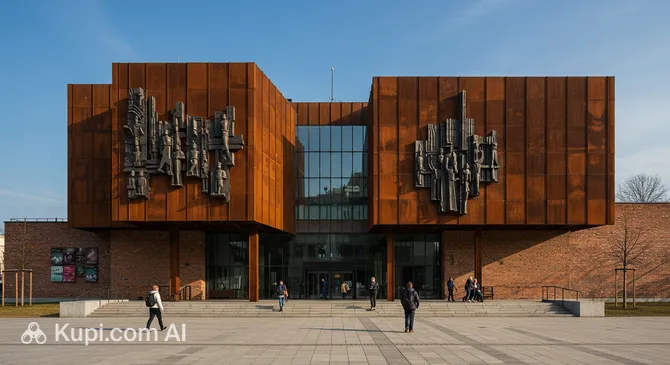
Warsaw Uprising Museum. Illustration.
Source: Kupi.com AI

Traveler photos:

The museum was officially opened on July 31, 2004, for the 60th anniversary of the start of the uprising, and is housed in the historical building of a former tram power station. Its exhibitions are famous for their innovative approach: here, traditional museum exhibits such as weapons, personal items, and letters are harmoniously combined with cutting-edge multimedia technologies and interactive installations. This format makes the dive into history engaging and accessible for visitors of all ages.

A visit to the Warsaw Uprising Museum leaves a powerful impression. Sound effects, newsreels, and a carefully recreated atmosphere allow you not just to learn historical facts, but to feel the spirit of that time. It is a place that tells a tragic and heroic story of the struggle for freedom and the resilience of the human spirit, making it an essential stop for any traveler interested in history.

Contacts

If you have any questions about visiting the Warsaw Uprising Museum, you can contact its representatives directly. We also recommend checking the official museum website for up-to-date information on opening hours, ticket prices, and temporary exhibitions.

How to contactContact
AddressGrzybowska 79, 00-844 Warszawa, Poland
Phone number+48 22 539 79 05
Website1944.pl

What to Do

A visit to the Warsaw Uprising Museum offers visitors a deep and multifaceted dive into history. The main exhibition is interactive and uses modern audiovisual technology to tell the story of the struggle and daily life in the city during the uprising. Spread across several floors, it features hundreds of photographs, documents, personal belongings, and weapons. The unique interior design and multimedia effects recreate the atmosphere of the era, allowing guests to walk on granite cobblestones among installations depicting the city's ruins. The centerpiece is a steel monument passing through all floors, featuring the sound of a beating heart, symbolizing the life of Warsaw in 1944.

The museum features several iconic spots that leave a particularly strong impression. Here, you can listen to stories and memories from uprising participants, giving the history a personal dimension. One of the main highlights is the observation tower, which offers a panoramic view of modern Warsaw. Visitors can also watch a short 3D film in the cinema room that takes them over the destroyed capital from a bird's-eye view. Additionally, the exhibition includes a replica of the city sewers used by resistance fighters and 1940s printing presses that are still in working order.

Beyond the main exhibition, the museum grounds house Freedom Park, featuring a memorial wall engraved with the names of thousands of insurgents. The museum also acts as a vibrant cultural center, regularly hosting temporary exhibitions, themed tours, and educational programs. For visitors' convenience, there is a cafe and a souvenir shop on-site where you can purchase books and mementos.

Getting There

The Warsaw Uprising Museum is conveniently located in the central part of Warsaw, in the dynamic Wola district. Its exact address is 79 Grzybowska Street (ul. Grzybowska 79). Thanks to this location, getting there is easy from any part of the city, making it a must-see on many travelers' itineraries.

The easiest and fastest way to reach the museum is by public transport. The nearest metro station, Rondo Daszyńskiego, is on the second line (M2) and is just a few minutes' walk away. In addition, there are many bus and tram stops in the immediate vicinity of the museum, making it easy to plan your route from different parts of the capital of Poland.

If you prefer walking and want to get to know the city better, the museum can be reached on foot. A walk from Warszawa Centralna railway station or the city center takes about 20–30 minutes. For those traveling by car, there is parking near the museum. Of course, you can always use a taxi for maximum comfort, which will take you right to the entrance.

Nearest city: Warsaw

History & Facts

The history behind the creation of the Warsaw Uprising Museum is noteworthy in its own right. The idea to commemorate the heroic events of 1944 emerged within Polish society as early as the 1980s, but the path to its realization was long. It was only after the change in the political regime in 1989 that the project became possible, and in 2002, the newly elected Mayor of Warsaw, Lech Kaczyński, made opening the museum one of his top priorities. This was a response to the city's long-standing desire to preserve the memory of a key moment in its history.

Once the decision to build was finalized, work proceeded in record time. Construction began in April 2004 in a former tram power station and continued around the clock, as the primary goal was to open for the 60th anniversary of the uprising. These efforts were successful: the museum's grand opening took place on July 31, 2004, on the eve of the anniversary. The ceremony was led by Mayor Lech Kaczyński, symbolically marking the birth of a new landmark on the map of Poland.

Since its founding, the museum has become more than just an exhibition space; it is a true center for memory and research. It was created with the active support of city authorities and various historical organizations. Over the years, staff have managed to assemble a massive collection including hundreds of unique artifacts: from personal belongings and weapons to documents and recorded memories of uprising participants. Today, the Warsaw Uprising Museum fulfills a vital mission, serving as an invaluable archive and research center for the city's history.

Time Needed

When planning a visit to the Warsaw Uprising Museum, it's important to allocate enough time to fully immerse yourself in its multifaceted exhibits. For a thorough viewing, we recommend setting aside at least 2–3 hours. This will be enough to explore the main halls, see the key exhibits, and gain a general understanding of the 1944 events without rushing.

If you're looking for a deeper experience, consider planning a visit of up to 4 hours. This allows time not only for the main exhibition but also for additional areas, including the observation tower with city views, watching documentary films in the cinema, and perhaps joining a guided tour. A guide is especially recommended for those who want detailed stories and a better understanding of the historical context. Some travel packages even combine a museum visit with other landmarks, offering 4-hour tours.

In summary, while the minimum time for an introductory visit is about two hours, it's better to set aside half a day for a truly thoughtful and complete immersion. This will allow you to explore interactive installations, listen to audio recordings of memories, and feel the full depth and significance of this important historical site without haste.

Working Hours

The Warsaw Uprising Museum is generally open to visitors year-round but has one closing day per week. Standard opening hours are from 10:00 to 18:00; however, the museum is closed on Tuesdays. Please note that the schedule may change on certain days: for example, on Thursdays, opening hours are extended until 20:00. Entry to the museum stops 30–60 minutes before closing.

While advance ticket booking is usually not required for individual visits, it is recommended to buy them online via the official website to avoid queues, especially during peak tourist season. We strongly advise checking the current schedule on the official museum portal before your visit, as it may change during holidays and on the eve of public holidays.

DayOpening hours
Monday8:00 – 18:00
TuesdayClosed
Wednesday8:00 – 18:00
Thursday8:00 – 18:00
Friday8:00 – 18:00
Saturday10:00 – 18:00
Sunday10:00 – 18:00

Nearby

After a deep dive into history at the Warsaw Uprising Museum, exploring its surroundings can be an excellent addition to your experience. The Wola district, where the museum is located, is a prime example of how modern Warsaw blends historical memory with a dynamic present. Just a few minutes' walk away, you'll find both futuristic skyscrapers and cozy cultural spaces, offering a more complete picture of the multifaceted capital of Poland.

A stroll through the nearby streets will reveal many interesting spots. This allows you not only to decompress after an emotionally charged museum visit but also to see how the city lives and grows today. Nearby, you'll find modern business centers, renovated historical complexes, parks, and various entertainment venues that will interest travelers of all kinds.

NameDistance
Norblin Factory0.7 km
68 Aquarium Shop0.8 km
Kamienica Theatre1.7 km
Moczydło Water Park1.9 km
Pianka 24-Hour Restaurant2.1 km
POLIN Museum of the History of Polish Jews2.1 km
Tomb of the Unknown Soldier2.3 km

Have you reached the end of the page?

So the route has been studied inside and out